
PPE Requirements for Electrical Work: What PPE Do You Actually Need?
Electrical work is risky, so the right PPE—like tested gloves, arc flash suits, and insulated tools—is not optional. It’s required by standards like OSHA and NFPA 70E to keep your crew safe. Know what PPE you need, check it often, and use it properly. Safe work starts with proper protection.
Introduction: Why Electrical PPE Is Non-Negotiable
If you work around electricity, you know one thing for sure: one small mistake can lead to a big shock—literally. That’s why PPE for electrical work isn’t optional—it’s required by safety standards worldwide.
But what exactly does “proper PPE for electrical work” mean? And what PPE is actually required for different tasks?
This guide breaks down:
- What electrical PPE is
- Who sets the rules (like OSHA, NFPA 70E, IEC)
- What gear you really need for safe electrical jobs
Whether you’re managing a utility crew, subcontractor team, or on-site technicians, this page will help you check every box—and keep your people protected and compliant.
Key Regulations and Standards
When it comes to PPE requirements for electrical work, you’re not just following best practices—you’re following the law. Safety authorities worldwide have set clear rules to protect workers from arc flashes, electric shocks, and other serious hazards.
Here are a few key standards you should know:
OSHA 1910.137 (U.S.)
The Occupational Safety and Health Administration (OSHA) requires employers to provide and maintain electrical protective equipment like insulating gloves, sleeves, boots, and face shields. Gloves must be tested every six months, and all gear must be inspected before use.
NFPA 70E
This standard is widely recognized in the electrical industry. It defines how to assess electrical hazards, select the right PPE for arc flash protection, and train workers to wear it properly. It also describes Arc Flash PPE Categories (CAT 1–4) and minimum protection levels.
IEC Standards (International)
Outside North America, the IEC 60903 and IEC 61482 standards guide the selection and use of PPE for live working. They cover testing, design, and performance requirements for insulating gloves, arc suits, and other protective gear.
Company and Site-Specific Rules
Many large utilities, rail networks, or data centers add extra PPE requirements to match their risk profiles. Always check project specs to make sure your team’s PPE kit is up to date and compliant.
Bottom line: If you’re wondering “what PPE is required for electrical work,” the answer starts with these standards. They’re the baseline for what you must wear—and what you must test and inspect.
Comprehensive PPE List for Electrical Work
So, what PPE is required for electrical work? Here’s a practical checklist you can actually use when equipping your team—no guesswork, no gaps.
Below are the most common items you’ll find on any compliant electrical PPE equipment list:
1. Insulating Rubber Gloves
Your first line of defense against electric shock. Always choose gloves tested to the right voltage class (Class 00–4) and pair them with leather protectors for extra durability.
2. Arc Flash Suit (Arc-Rated Clothing)
For work near energized parts where arc flash is possible, arc-rated suits are mandatory. The protection level depends on your hazard category (CAT 1–4, as per NFPA 70E).
3. Insulated Tools
Screwdrivers, pliers, cutters—anything that touches live parts must be rated and marked for electrical safety.
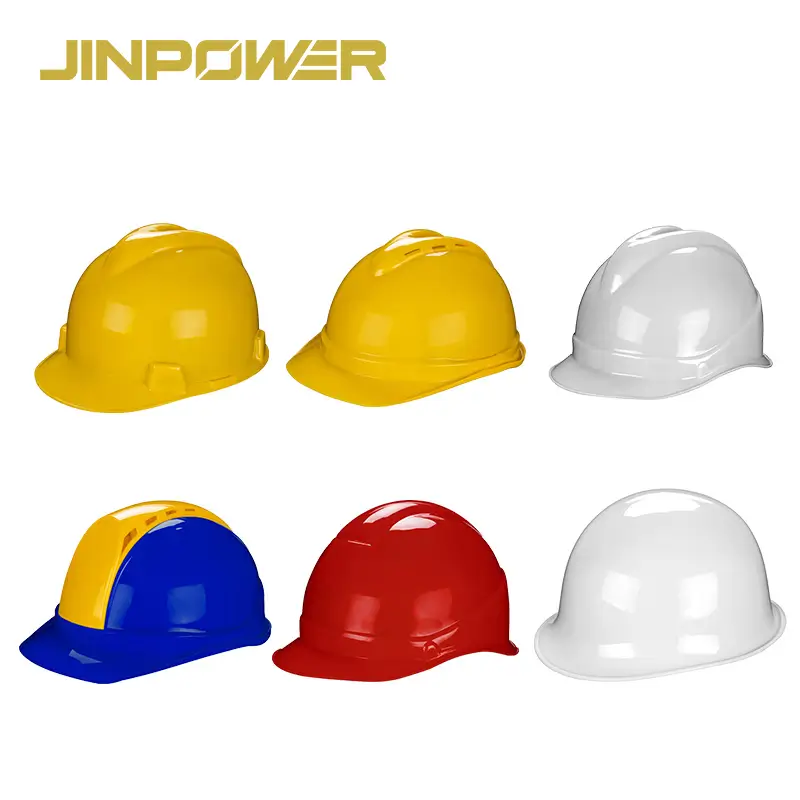
4. Voltage-Rated Hard Hat
Protects the head from impact and provides dielectric protection when working near exposed conductors.
5. Safety Glasses or Goggles
Even minor arcs or flying debris can damage the eyes. Always wear impact-rated eyewear, preferably with side shields.
6. Face Shield or Arc Flash Hood
When working in higher-risk arc flash zones, face shields or hoods with proper arc ratings help protect your face and neck.
7. Dielectric Safety Boots or Overshoes
These protect your feet from accidental step potential. Insulated soles are vital in wet or conductive areas.
8. Hearing Protection
Not all electrical jobs need it, but for high-energy arc flash work, hearing protection can be a must-have.
Pro tip: The proper PPE for electrical work should always match the task’s voltage level, arc flash hazard, and working conditions. Overdoing it doesn’t hurt—underdoing it does.



Proper PPE for Different Electrical Work Scenarios
Not every electrical job is the same—so the proper PPE for electrical work depends on what you’re doing, the voltage level, and your working environment. Here’s how to think about it:
Low-Voltage Tasks (Up to 600V)
For general maintenance, panel checks, or switching under 600V:
- Class 00 or Class 0 insulating gloves
- Arc-rated shirt and pants (minimum CAT 1–2)
- Safety glasses or goggles
- Insulated tools
- Voltage-rated helmet
High-Voltage Work (Above 600V)
When working on substations, transmission lines, or large switchgear:
- Class 2–4 insulating gloves
- Full arc flash suit (CAT 3–4), including face shield or hood
- Voltage-rated hard hat with arc flash protection
- Insulated boots and gloves with protectors
- Arc-rated balaclava (for higher incident energy levels)
Confined or Outdoor Conditions
In cable trenches, damp vaults, or outdoor emergency repairs:
- Slip-resistant, dielectric footwear
- Insulating mats for added step protection
- Weather-appropriate arc-rated outerwear (rain jackets, coveralls)
Special Cases: Testing & Troubleshooting
When performing live testing:
- Rubber gloves rated for the system voltage
- Arc-rated shirt or suit, based on fault potential
- Insulated test equipment and tools
Your PPE requirements for electrical work should match your real risks—voltage, arc flash energy, and site conditions. If you’re unsure, default to the highest level of protection. Cutting corners can cut more than costs—it can cut your safety margin.
Common Mistakes & How to Avoid Them
Even if you’ve got the proper PPE for electrical work, it’s surprisingly easy to misuse it. Here are a few mistakes that pop up again and again—along with how to fix them.
1. Wearing the Wrong PPE for the Task
One pair of gloves does not fit all jobs. For example, using low-voltage gloves for high-voltage switching is a shortcut to danger. Always match glove class, arc flash rating, and accessories to the job’s actual risks.
2. Ignoring Inspections and Test Dates
Rubber gloves can look fine but still fail. Daily checks, air tests, and certified lab testing every 6 months are non-negotiable. Keep clear records to prove compliance and protect your team.
3. Forgetting Protectors and Liners
Wearing insulating gloves without leather protectors is like buying a new car and never changing the oil. Cuts and abrasions will damage the rubber quickly. Protectors add durability and grip.
4. Improper Storage
Leaving PPE in direct sunlight, damp toolboxes, or tossed in the back of a truck degrades its protective value. Use proper bags, dry storage, and keep everything clean.
5. Failing to Train the Crew
The best PPE in the world won’t help if your people don’t use it right. Make sure everyone knows how to wear, inspect, and maintain their gear—and when to replace it.
The right PPE is only as good as the way it’s used. Build a habit of doing it right every time.
Conclusion
When it comes to electrical work, proper PPE isn’t just gear—it’s your last line of defense between your team and a dangerous, sometimes fatal, accident. Following PPE requirements for electrical work isn’t just about compliance with OSHA or NFPA 70E—it’s about sending your people home safe every day.
Remember:
- Always match your PPE to the task, voltage level, and environment.
- Never skip testing, inspections, or protectors—one shortcut can cost everything.
- Keep clear records and stay up to date with the latest safety standards.
At JINPOWER, we understand that electrical PPE isn’t one-size-fits-all. Whether you need certified gloves, full arc flash suits, or help putting together a custom PPE kit for your crews, we’re ready to help you get it right.
Contact us today to learn more about our certified PPE solutions, inspection support, and B2B supply services for electrical safety.
