
Recommended News
Hot News
Fill in your information
Flexible EVA Insulating Blankets for Electrical Cover-Up
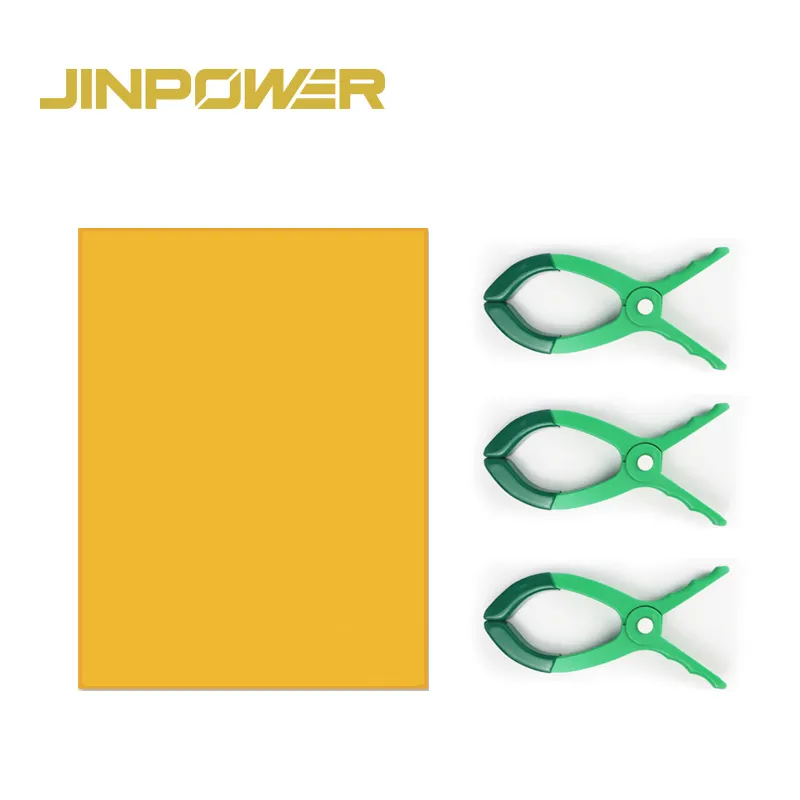
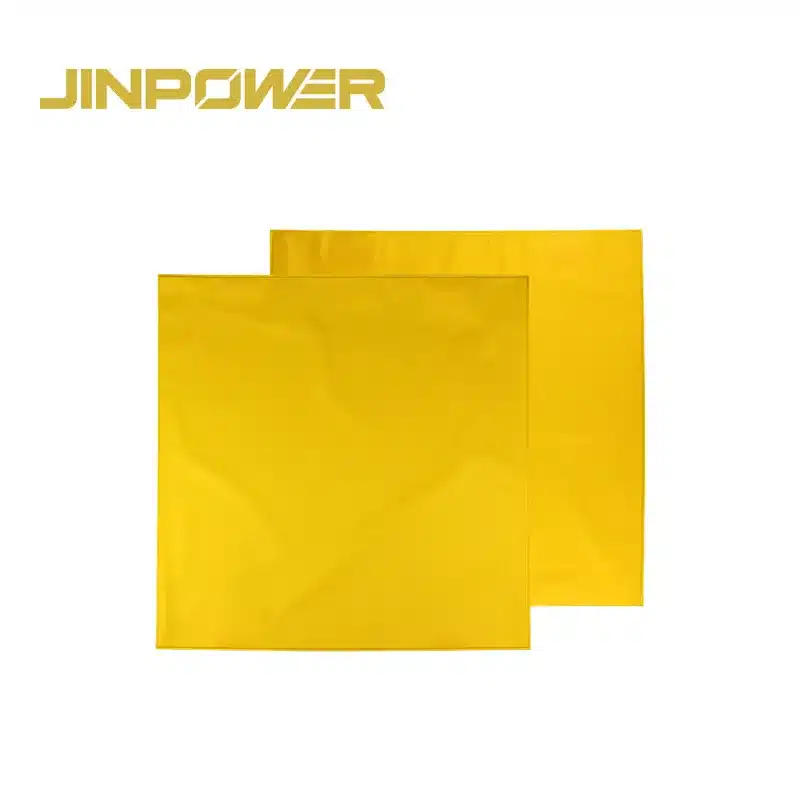
JINPOWER EVA electrical insulating blankets are designed for temporary electrical cover-up around busbars, switchgear, cable connections, terminals, and other electrical equipment. Their flexible construction allows workers to cover irregular shapes and restricted spaces where rigid insulating covers may be difficult to position.
We offer sheet and roll formats for different coverage requirements, including industrial electrical maintenance, utility operations, substations, and power distribution equipment.
The correct blanket should be selected according to the actual electrical exposure, required insulation class, working environment, and approved work procedure. For European projects, buyers should also verify the applicable EN/IEC 61112 requirements and available model-specific test documentation.
Need the Right Blanket for Your Project?
Send us your required electrical class, application, blanket dimensions, quantity, and applicable standard. We can help you review available configurations, technical specifications, and project documentation before quotation.


Why Buyers Choose EVA Electrical Insulating Blankets
Lighter Handling Than Traditional Rubber Blankets
Blanket weight matters when workers need to install, remove, and reposition temporary insulation throughout a maintenance job.
EVA-based insulating blankets can offer practical handling advantages, depending on their thickness and construction. For overhead work, restricted cabinets, and repeated installation tasks, buyers should compare the actual weight per square metre rather than relying on material names alone.
We recommend checking weight, dimensions, flexibility, and electrical rating together when comparing EVA and conventional rubber insulating blankets.
Flexible Cover-Up for Irregular Hardware
Electrical equipment rarely has a completely flat surface. Busbars, cable joints, terminals, and other components may require insulation that can follow irregular shapes.
Flexible EVA blanket configurations can be positioned around these areas to help reduce accidental contact with exposed electrical parts.
Before selecting a model, confirm that its bending properties, dimensions, electrical rating, and approved fixing method are suitable for the intended application.
Available for Low-Voltage and High-Voltage Tasks
Electrical insulating blankets are classified according to their insulating performance and intended voltage range.
JINPOWER can discuss low-voltage and high-voltage blanket requirements for industrial maintenance and utility projects. However, electrical class and maximum operating voltage must be confirmed against the actual product specification and test documentation.
The nominal voltage of the electrical installation should not be the only factor used to choose a blanket.
Designed for Shock Protection, Not Arc Flash Protection
Electrical insulating blankets provide temporary insulating cover-up intended to reduce the risk of accidental electrical contact and certain short-circuit hazards when properly selected and installed.
They are not arc-flash protection blankets and should not be treated as substitutes for arc-rated clothing, arc-flash barriers, or other required protective systems.
Electrical insulating blankets are only one part of a complete electrical safety procedure.
Field-Ready for Utility and Industrial Use
Electrical insulating blankets may be used in substations, switchgear rooms, distribution facilities, and industrial maintenance environments where temporary insulating cover-up is required.
For outdoor or demanding industrial applications, buyers should confirm the product’s suitability for moisture, UV exposure, chemicals, abrasion, and the expected operating conditions.
Specific resistance properties should be supported by relevant product test data.
Product Types: Sheet, Roll, and Project-Specific Blanket Formats
EVA Sheet Insulating Blanket
Sheet-format insulating blankets are suitable for defined coverage areas around switchgear, busbars, cable terminations, and electrical cabinets.
They are useful when a maintenance task requires temporary insulation over a specific component or working area.
Listed sheet dimensions include:
- 600 × 900 mm
- 900 × 1200 mm
- 1000 × 1500 mm
Other dimensions can be discussed according to the required electrical rating, product construction, and project requirements.
EVA Roll Insulating Blanket
Roll-format insulating blankets provide a possible solution for longer coverage areas or repeated insulation work across equipment lineups.
They can be considered for industrial electrical maintenance and other applications where a continuous insulating sheet is required.
Listed roll dimensions include:
- Width: 0.6 m / 0.9 m / 1.2 m
- Length: 5–20 m
The available roll format and electrical classification must be confirmed for the selected model.
Cutting a roll to a different size should only be carried out when permitted by the manufacturer and the applicable standard. Cutting or modifying the material can affect its original tested configuration.
Project-Specific Coverage Options
Some electrical projects require special dimensions, mounting arrangements, or identification systems.
JINPOWER can discuss the following options:
- Custom sheet dimensions
- Project-specific roll sizes
- Edge finishing
- Non-conductive eyelets or fixing systems
- Printed identification and warning information
- Compatible insulating clips
- Project packaging and inspection labels
Any modification affecting the insulating material, edge construction, or fixing points must be assessed against the required electrical performance before approval.
EVA Electrical Insulating Blanket Specifications
For European utilities, contractors, distributors, and industrial buyers, product selection should begin with verified technical specifications.
The following table summarizes the current product formats and the information that should be confirmed for each model.
| Parameter | Specification |
|---|---|
| Product | EVA Electrical Insulating Blanket |
| Material | EVA-based insulating material; exact composition to be confirmed |
| Product Format | Sheet / Roll / Project-Specific |
| Listed Sheet Sizes | 600 × 900 / 900 × 1200 / 1000 × 1500 mm |
| Listed Roll Widths | 0.6 / 0.9 / 1.2 m |
| Listed Roll Lengths | 5–20 m |
| Electrical Class | Confirm by model and test documentation |
| Maximum Operating Voltage | Confirm AC/DC rating by model |
| Thickness | Confirm by selected material and electrical class |
| Weight | Confirm per sheet or per m² |
| Surface Finish | Confirm available smooth or textured options |
| Fixing Method | Compatible approved non-conductive clips or fixing systems |
| Applicable Standard | EN/IEC 61112 where applicable and supported by product evidence |
| Test Documentation | Confirm available model-specific reports and records |
| Customization | Subject to product design and technical approval |
Important: Electrical class, thickness, operating voltage, and standard conformity must be verified for each finished product. The dimensions above describe listed product formats and do not establish that every size is available in every electrical class.
Why EVA Instead of Traditional Rubber
Both EVA-based and conventional rubber insulating blankets may be considered for electrical cover-up applications, depending on their tested construction and the project specification.
The main differences buyers should evaluate are handling weight, flexibility, thickness, surface properties, environmental resistance, and verified electrical performance.
| Comparison Factor | What Buyers Should Check |
|---|---|
| Weight | Actual weight per sheet or m² |
| Flexibility | Ability to follow the required equipment shape |
| Electrical Protection | Verified class and maximum operating voltage |
| Thickness | Model-specific dimensions and tolerances |
| Surface | Cleaning requirements and available finish |
| Outdoor Suitability | Documented resistance to relevant environmental exposure |
| Mechanical Durability | Tested resistance to damage and handling conditions |
| Standards | Compliance with the applicable product specification |
EVA should not automatically be considered lighter, more flexible, or electrically superior to every rubber blanket.
For projects specifying a particular insulating material or standard, the finished product must meet those requirements regardless of its handling advantages.
The correct choice is the blanket that provides the required electrical protection and fits the actual work procedure.
Electrical Insulating Blanket Classes and Typical Use
Electrical insulating blankets covered by IEC 61112 are classified by electrical performance. The required class depends on the applicable working voltage and the conditions under which the blanket will be used.
The table below provides a reference for the maximum operating voltages associated with Class 0–4.
| Electrical Class | Maximum AC Operating Voltage | Maximum DC Operating Voltage |
|---|---|---|
| Class 0 | 1,000 V | 1,500 V |
| Class 1 | 7,500 V | 11,250 V |
| Class 2 | 17,000 V | 25,500 V |
| Class 3 | 26,500 V | 39,750 V |
| Class 4 | 36,000 V | 54,000 V |
Note: These are IEC 61112 class-selection reference values, not a statement that all listed classes are available or certified in the JINPOWER EVA range.
IEC 61112 includes different material requirements for elastomeric and plastic insulating blankets. Therefore, not every material construction can automatically be offered in every class.
Maximum operating voltage, proof-test voltage, and withstand-test voltage are different technical parameters. They should not be treated as interchangeable.
For purchasing, confirm the product’s actual material classification, electrical class, thickness, AC/DC rating, and test evidence before approving a model.
For additional application guidance, read our High Voltage Blankets: Essential Insulation Barriers for Live-Line Work.
How to Select the Right EVA Insulating Blanket
Choose the Class by Voltage and Work Procedure
Start with the electrical exposure that may exist during the task, the applicable safety standard, and the approved working procedure.
The selected blanket must have an electrical rating suitable for that exposure.
A higher class is not automatically the better choice. Greater material thickness may affect flexibility and handling, while a product with insufficient insulation cannot provide the required protection.
Always confirm the finished blanket’s tested class instead of selecting from system voltage alone.
Choose the Format by Coverage Area
Use sheet-format blankets where defined components or small working areas need temporary cover-up.
Consider roll formats where a longer continuous insulating surface is required.
For unusual equipment shapes, discuss a project-specific format that can be manufactured and tested in the required configuration.
Choose the Surface by Grip and Cleanup Needs
Surface finish can affect handling and cleaning.
A textured surface may provide handling advantages in some situations, while a smooth surface may be easier to wipe clean.
However, the actual surface properties must be confirmed for the selected blanket model. The surface finish must not compromise insulation performance or safe installation.
Choose the Fixing Method by Stability Requirement
Electrical insulating blankets must remain in their intended position during the work.
Use compatible non-conductive fixing accessories approved for the blanket and task.
The number and location of fixing points should follow the manufacturer’s instructions and the approved site procedure. Wind, equipment geometry, movement, and installation orientation may all affect the fixing arrangement.
Do not assume that a fixed number of clips is suitable for every blanket size or electrical application.
Choose by the Actual Task
Consider the complete work environment before ordering:
- Actual electrical exposure and required insulation class
- Equipment geometry and coverage area
- Indoor or outdoor operating conditions
- Surface contamination and cleaning requirements
- Mechanical contact and fixing arrangements
- Approved work procedures
- Required testing and conformity documents
For European projects, the technical specification and applicable standard should be agreed before model selection and order approval.
Applications: Power Lines, Switchgear, Battery Systems, and Industrial Cabinets
Overhead and Distribution Lines
Electrical insulating blankets may be used as temporary cover-up on suitable overhead-line components and nearby electrical hardware during approved electrical maintenance tasks.
They help reduce the risk of inadvertent contact with covered energized or earthed components when used within their verified electrical rating.
The blanket class, placement, fixing method, and work procedure must be confirmed before use.
Substations and Switchgear
In substations and switchgear rooms, insulating blankets can provide temporary coverage around busbars, terminals, and other exposed electrical components.
Sheet formats may be suitable for smaller defined areas, while approved roll configurations can be considered for longer equipment sections.
They must not obstruct essential operating mechanisms, ventilation, inspection points, or safety identification.
Battery Energy Storage Systems
Some battery energy storage maintenance tasks require temporary electrical insulation around exposed connections or conductive parts.
Where suitable and specifically approved, an insulating blanket may help reduce accidental electrical contact or short-circuit risk during controlled maintenance.
However, an EVA electrical insulating blanket is not automatically a thermal-runaway barrier, fire blanket, or battery fire-containment product.
For battery systems, buyers must separately verify DC electrical ratings, material suitability, the approved maintenance procedure, and any fire-safety requirements.
Industrial Panels and MCCs
Industrial electrical panels and motor control centres may contain terminals, busbars, and electrical connections in restricted spaces.
Flexible insulating blankets can be considered for temporary electrical cover-up where the product geometry and electrical classification are suitable.
Selection must follow the equipment’s electrical safety procedure and actual exposure conditions.
Mobile Response and Frequent Relocation Work
Utility maintenance and field-service teams may need temporary insulating covers that can be transported, installed, removed, and inspected repeatedly.
For these applications, product weight, dimensions, storage requirements, durability, and ease of inspection are important selection factors.
Repeated handling does not remove the need for regular inspection and appropriate electrical testing.
Installation, Clips, and Secure Placement
Proper installation is essential because an electrical insulating blanket must maintain its intended coverage throughout the work.
Before installation, verify that the blanket is suitable for the task, has the required electrical rating, and is in acceptable physical condition.
Install the blanket using the approved work method and compatible fixing accessories.
Good practice includes:
- Inspecting the blanket and fixing accessories before use
- Confirming the required coverage and positioning
- Using compatible non-conductive clips or fixing systems
- Keeping the blanket clear of moving mechanisms
- Avoiding sharp edges that could damage the insulating material
- Ensuring the blanket remains secured during the task
- Keeping required safety labels and operating controls accessible
- Removing damaged or contaminated equipment from service
The correct number and position of clips depend on blanket size, shape, installation location, and work conditions.
Do not cut, puncture, drill, or modify the blanket unless the modification is specifically permitted and its effect on electrical performance has been verified.
Installation and removal must be performed by appropriately trained personnel following the applicable electrical safety procedure.
EN/IEC 61112, Testing and Product Documentation
EN 61112 and IEC 61112 are important technical references for electrical insulating blankets used in live-working applications.
IEC 61112 covers insulating blankets intended to protect workers against accidental contact with live or earthed electrical conductors and to help prevent short circuits.
The standard addresses requirements such as material construction, dimensions, electrical classification, physical properties, electrical testing, and product identification.
However, referring to EN/IEC 61112 does not establish that a particular product is certified or compliant.
For JINPOWER EVA blanket enquiries, the applicable standard and available documentation should be confirmed for the specific model.
What European Buyers Should Verify
| Verification Item | Purchasing Requirement |
|---|---|
| Material | Exact construction and applicable material classification |
| Standard | Required EN/IEC 61112 edition or other project specification |
| Electrical Class | Confirmed class of the finished blanket |
| Electrical Testing | Relevant proof and withstand test evidence |
| Dimensions | Actual length, width, and thickness |
| Marking | Manufacturer, model, class, and applicable identification |
| Traceability | Available lot or batch records |
| Instructions | Installation, inspection, cleaning, and storage information |
| Conformity Documentation | Available declarations or certificates applicable to the model |
JINPOWER can review customer requirements for technical data, relevant test reports, identification records, and project documentation before order confirmation.
Any claim of standard compliance or certification should be supported by the corresponding finished-product documentation.
Scope Reminder: These are electrical insulating cover-up blankets. They are not substitutes for arc-flash PPE, dedicated fire barriers, or other required electrical protective measures.
Care and Storage
Proper handling and storage help maintain the condition of electrical insulating blankets throughout their service life.
After use, clean the blanket when required using methods and cleaning agents approved by the manufacturer. Remove dust, dirt, oil, or other contamination that may affect handling or insulating performance.
Allow the material to dry according to the manufacturer’s instructions before storage.
Store the blanket flat or in an approved loose-roll arrangement, protected from:
- Direct sunlight and excessive heat
- Sharp edges and abrasive objects
- Oils, solvents, and incompatible chemicals
- Heavy compression or uncontrolled folding
- Moisture accumulation and contamination
Before use, check for cuts, punctures, burns, cracks, deep creases, deformation, contamination, or damaged markings.
Blankets with suspected damage or deterioration must be removed from service and assessed according to the applicable inspection and testing procedure.
Electrical retesting requirements should follow the applicable standard, manufacturer instructions, and site maintenance programme.
OEM / ODM for Project-Based Procurement
Different utilities, industrial sites, and EPC contractors may require different blanket dimensions, identification systems, and packaging arrangements.
JINPOWER can discuss project-based configurations after the required electrical specification has been confirmed.
Available options for technical review may include:
- Sheet and roll dimensions
- Thickness and material configuration
- Surface finish
- Approved fixing arrangements
- Non-conductive eyelets
- Printed electrical class and safety information
- Batch or serial identification
- Project-specific labels
- Storage and transport packaging
- Custom kit configurations
- OEM branding
Custom dimensions, edge finishing, holes, or other construction changes must not be assumed to retain the original electrical qualification without appropriate verification.
For repeat orders, buyers should confirm that the approved material specification, electrical rating, dimensions, and product identification remain consistent.
Frequently Asked Questions
What is the difference between EVA insulating blankets and rubber insulating blankets?
EVA and conventional rubber blankets may differ in weight, flexibility, thickness, handling, and environmental performance. These differences depend on the specific material formulation and product construction.
Both should be evaluated against the required electrical rating, applicable standard, and actual test data. EVA should not automatically be considered lighter or more electrically protective than every rubber blanket.
Does this EVA insulating blanket comply with EN/IEC 61112?
Compliance must be confirmed for the specific product model. EN/IEC 61112 provides requirements for electrical insulating blankets, but material classification, electrical class, construction, and test results must be verified before any conformity claim is made.
Please provide the standard and electrical class required by your project so that the relevant model and available documentation can be reviewed.
What electrical classes and voltages are available?
IEC 61112 provides electrical class definitions, including Class 0–4 and Class 00. Each class has a corresponding maximum operating voltage.
However, the electrical class available for an EVA blanket depends on its material construction and actual testing. Confirm model availability and electrical ratings before ordering.
Is this an arc flash blanket or a shock protection blanket?
This is an electrical insulating blanket intended for electrical cover-up and protection against inadvertent electrical contact when properly selected and used.
It is not an arc-flash protection blanket and does not replace arc-rated PPE or other required safety systems.
How do I choose between sheet and roll format?
Choose sheet formats for defined coverage areas, individual equipment sections, and smaller temporary insulation tasks.
Roll formats may be suitable for longer coverage areas when the required size and electrical classification are available.
Confirm whether cutting or resizing is permitted before selecting a roll for a particular project.
Can electrical insulating blanket rolls be cut to size?
Only where the product design, manufacturer instructions, and applicable standard permit it.
Cutting or modifying a blanket may affect its dimensions, edge integrity, marking, and tested electrical performance. The required finished size and approval conditions should be confirmed before purchase.
What test documents are available?
Available documents may include technical specifications, relevant electrical test reports, material information, batch identification, and applicable conformity records.
Documentation varies by model and project requirements. Buyers should specify the required documents before order confirmation.
Request the Right EVA Insulating Blanket for Your Project
If you are sourcing electrical insulating blankets for utilities, substations, switchgear, industrial maintenance, or approved battery-system applications, JINPOWER can help you review the available configurations against your technical requirements.
For a technical quotation, please provide:
- Required electrical class or maximum operating voltage
- AC or DC application
- Applicable standard
- Sheet or roll format
- Dimensions and required thickness
- Working environment
- Fixing or installation requirements
- Order quantity
- Destination country
- Required test and conformity documents
We can then confirm the available material configuration, product specifications, documentation, packaging options, and quotation details.
Related JINPOWER Products




 Hrvatski
 Čeština
 Dansk
Dansk Nederlands
 Filipino
 Français
 Deutsch
 Italiano
 日本語
日本語 Қазақ тілі
 ភាសាខ្មែរ
 한국어
한국어 Кыргызча
 ພາສາລາວ
 Монгол
 فارسی
فارسی Polski
 Português
 Română
 Русский
 Slovenščina
 Español
 Kiswahili
 ไทย
ไทย Українська
 Tiếng Việt
 English