
Recommended News
Hot News
Fill in your information
Rodent Barrier for Substations, Cable Trenches and Power Facilities
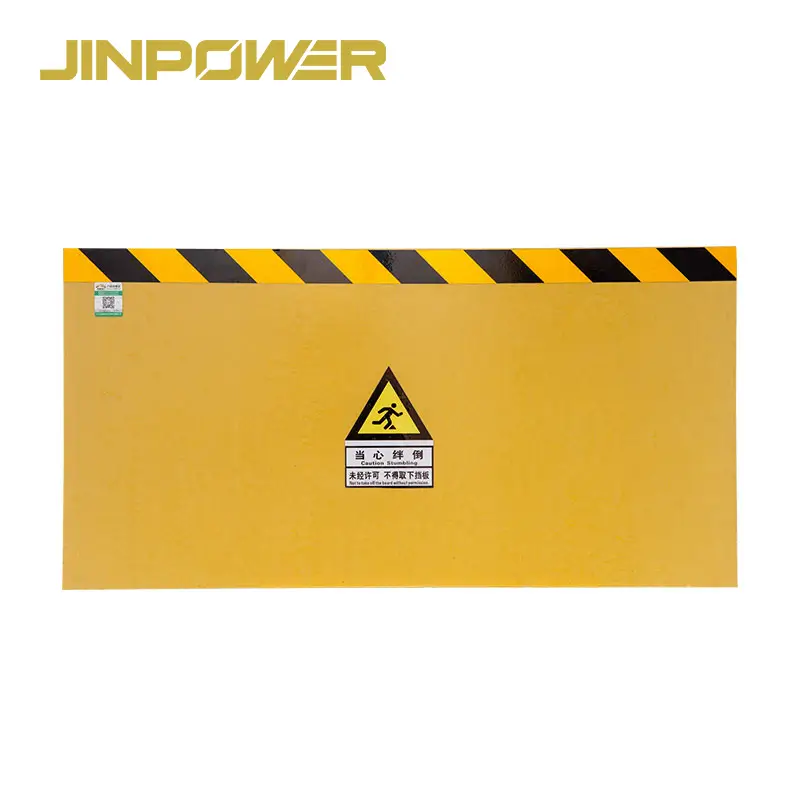
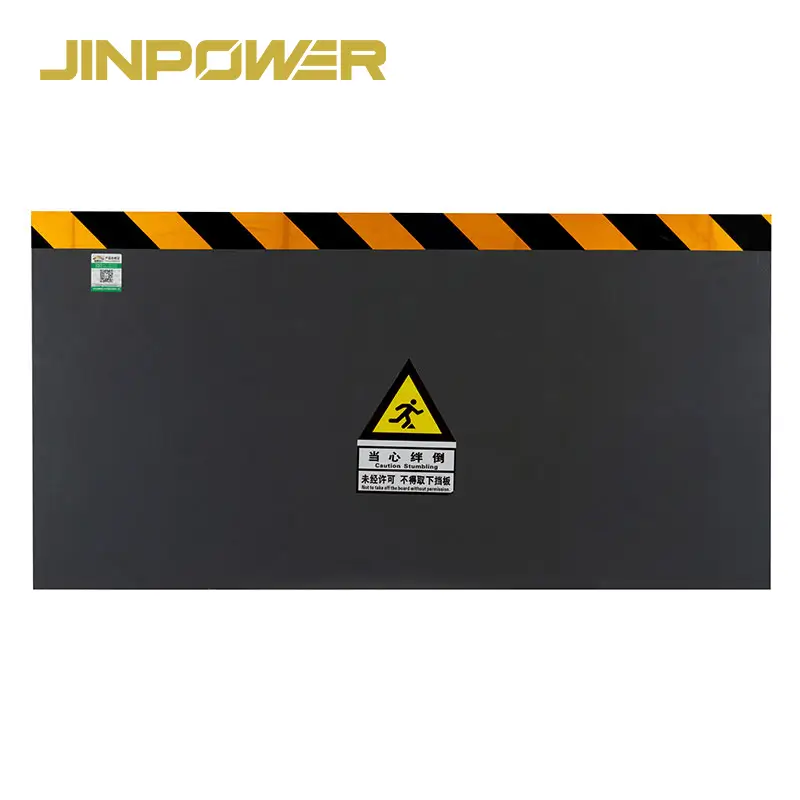
JINPOWER rodent barrier boards are designed for substations, switchgear rooms, control rooms, cable trenches, garage doors, foundations and utility buildings where rodent intrusion can damage cables, wiring, insulation systems and control equipment.
Rodent entry is not only a pest issue. In electrical and power facilities, rodents can bite cable sheaths, enter cable trenches, contaminate equipment rooms, damage wiring and create hidden risks for maintenance teams.
JINPOWER supplies FRP, PVC, stainless steel and aluminum alloy rodent barriers for different facility zones. FRP and PVC are suitable when insulating materials are preferred near electrical equipment. Stainless steel and aluminum alloy are suitable for high-abuse zones, outdoor foundations, cable entry points and door-base protection.
Custom size, thickness, material, color, warning marking, labeling and project packaging can be supplied according to site layout and procurement requirements.


Why Rodent Barriers Matter in Electrical and Power Facilities
Rodents often enter facilities through low-level gaps, wall bottoms, cable trenches, service entrances, garage doors, foundations and utility openings. Once inside, they may damage cables, insulation, control wiring, communication lines and stored materials.
In substations and power-related buildings, this can create serious operational problems.
A rodent barrier helps create a physical exclusion layer at common entry points. It is especially useful in areas where chemical control, traps or routine cleaning alone cannot fully prevent rodent entry.
Rodent barriers are commonly used for:
- Substation foundations
- Cable trench openings
- Cable entry points
- Switchgear rooms
- Control rooms
- Garage doors
- Rolling shutter doors
- Utility buildings
- Auxiliary electrical rooms
- Outdoor facility entrances
A good rodent barrier should match the site risk, installation position, material requirement and long-term maintenance plan.
Rodent Barrier Material Comparison
Different facility areas need different rodent barrier materials. The right choice depends on electrical environment, rodent pressure, mechanical exposure, corrosion risk and installation position.
| Material | Main Advantage | Best Application | Main Consideration |
|---|---|---|---|
| FRP | Insulating, corrosion-resistant, strong structure | Substations, switchgear rooms, control buildings, humid areas | Higher cost than basic PVC |
| PVC | Lightweight, insulating, easy to handle | Indoor electrical rooms, auxiliary buildings, retrofit projects | Not ideal for high-impact zones |
| Stainless Steel | Strong gnaw resistance and long service life | Cable trenches, outdoor foundations, high-risk rodent areas | Heavier and higher material cost |
| Aluminum Alloy | Strong but lighter than stainless steel | Garage doors, rolling shutters, service entrances | Less abuse-resistant than stainless steel |
For electrical rooms and switchgear areas, FRP and PVC are often preferred when non-metallic materials are required. For cable trenches, foundations and high-risk entry points, stainless steel or aluminum alloy may be more suitable.
Which Rodent Barrier Should You Specify?
The barrier material should be selected according to the facility area and risk level.
| Facility Area / Risk Zone | Recommended Material | Reason |
|---|---|---|
| Switchgear rooms and control rooms | FRP / PVC | Insulating material preference and indoor suitability |
| Cable trenches and cable entry points | Stainless steel / FRP | High durability and zone-dependent insulation preference |
| Foundation edges and wall bottoms | Stainless steel / Aluminum / FRP | Outdoor durability and flexible site specifications |
| Garage doors and rolling shutter doors | Aluminum alloy / Stainless steel | Wear resistance and strength at door bases |
| Auxiliary buildings and retrofit coverage | PVC / FRP | Cost efficiency and fast deployment |
| Outdoor utility entrances | Stainless steel / Aluminum / FRP | Better resistance to weather and repeated rodent pressure |
The best specification should be based on entry gap size, installation location, electrical safety requirements and expected service environment.
FRP Rodent Barrier
FRP rodent barriers are suitable for electrical rooms, substations, switchgear areas and other locations where insulation, corrosion resistance and structural strength are important.
FRP is a practical material for power-related facilities because it combines non-metallic properties with good durability. It is useful in humid environments, indoor electrical rooms and project sites where metal contact or corrosion may be a concern.
Best Used For
- Substations
- Switchgear rooms
- Control rooms
- Cable trench areas
- Electrical equipment rooms
- Utility buildings
- Humid indoor environments
Key Value
FRP rodent barriers provide a strong physical blocking layer while supporting electrical facility safety requirements. They are often selected for areas where non-metallic or insulating materials are preferred.

PVC Rodent Barrier
PVC rodent barriers are lightweight, easy to handle and suitable for many indoor applications. They are commonly used in auxiliary rooms, control areas, building entrances and retrofit projects.
PVC is usually selected when the site needs a cost-effective rodent barrier with simple installation and easy material handling.
Best Used For
- Indoor electrical rooms
- Control rooms
- Auxiliary buildings
- Office-area electrical rooms
- Low-abuse retrofit projects
- Temporary or standard indoor coverage
Key Value
PVC rodent barriers are practical for indoor use where heavy mechanical impact is not the main concern. They help close common low-level gaps and improve building-level rodent prevention.

Stainless Steel Rodent Barrier
Stainless steel rodent barriers are suitable for areas with higher rodent pressure, stronger mechanical exposure or outdoor installation needs.
Stainless steel offers strong gnaw resistance, high durability and long service life. It is commonly used at cable trench openings, foundation edges, wall bottoms and high-risk facility entry points.
Best Used For
- Cable trench openings
- Outdoor foundations
- Power facility entrances
- High-risk rodent entry points
- Harsh-use areas
- Long-term outdoor installations
Key Value
Stainless steel rodent barriers provide stronger physical protection where rodents, impact, weather or long-term exposure may reduce the service life of lighter materials.

Aluminum Alloy Rodent Barrier
Aluminum alloy rodent barriers offer a balance of strength and lighter weight. They are commonly used for garage doors, rolling shutter doors, service entrances and facility access points.
Compared with stainless steel, aluminum alloy is easier to handle and may be more practical for large door-base coverage.
Best Used For
- Garage doors
- Rolling shutter doors
- Service entrances
- Warehouse doors
- Facility access points
- Door-base protection
Key Value
Aluminum alloy rodent barriers are useful where a strong but lighter barrier is needed, especially for door-base areas that require repeated opening, closing or maintenance access.

Application Areas in Electrical and Power Facilities
Rodent barriers should be installed where rodents are most likely to enter. In power facilities, the most common weak points are usually close to the ground, cable routes and service entrances.
| Application Area | Common Entry Risk | Recommended Rodent Barrier |
|---|---|---|
| Substation foundations | Ground-level gaps, wall bottoms, concealed access | FRP, stainless steel or aluminum |
| Control rooms and switchgear rooms | Door thresholds and lower wall edges | FRP or PVC |
| Cable trenches and cable ducts | Open cable paths and trench mouths | Stainless steel or FRP |
| Garage doors and rolling shutters | Door-base gaps and high-traffic entrances | Aluminum alloy or stainless steel |
| Utility buildings and auxiliary rooms | Storage areas, relay rooms, UPS rooms | PVC, FRP or metal options by risk level |
| Outdoor perimeter edges | Weather exposure and repeated intrusion pressure | Stainless steel, aluminum or FRP |
A rodent barrier works best when it is planned together with cable management, building sealing, door-base protection, site inspection and routine maintenance.
Rodent Barrier for Substations
Substations often have cable routes, equipment foundations, control buildings, trenches and outdoor access points. These areas can become rodent entry paths if gaps are not controlled.
A rodent barrier can help block low-level access around foundations, walls, doors and cable trench openings. For substations, FRP, stainless steel and aluminum options are commonly considered depending on the zone.
In areas close to electrical equipment, insulation preference and maintenance access should be considered before choosing metal or non-metallic materials.
Rodent Barrier for Cable Trenches
Cable trenches are high-risk areas because they provide concealed pathways for rodents. Once rodents enter cable trenches, they may damage cable jackets, communication lines or control wiring.
For cable trench openings, stainless steel or FRP rodent barriers are often more suitable because they provide stronger blocking performance and better long-term durability.
The barrier should not interfere with cable inspection, maintenance access or drainage requirements. Follow local regulations and your site safety procedure.
Rodent Barrier for Garage Doors and Service Entrances
Garage doors, rolling shutter doors and service entrances often leave bottom gaps where rodents can enter. These areas also face repeated mechanical movement and higher wear.
Aluminum alloy and stainless steel rodent barriers are practical choices for door-base protection because they offer better strength and wear resistance.
Before ordering, confirm door width, bottom gap size, opening method and whether the barrier needs warning markings or custom fixing details.
Rodent Barrier for Electrical Rooms and Control Rooms
Electrical rooms and control rooms need clean, controlled and reliable operating environments. Rodent entry can affect wiring, control panels, stored tools and facility hygiene.
FRP and PVC rodent barriers are often used in indoor electrical rooms where non-metallic materials, simple handling and clean appearance are preferred.
For higher-risk indoor areas, material thickness, installation position and maintenance access should be confirmed before production.
Rodent Barrier vs Chemical Rodent Control
A rodent barrier should be understood as a physical exclusion layer. It does not replace every pest control measure, but it helps reduce entry opportunities at the most common weak points.
| Method | Main Function | Strength | Limitation |
|---|---|---|---|
| Rodent barrier | Blocks physical entry paths | Long-term, non-chemical, visible exclusion layer | Requires correct sizing and installation |
| Sealant or foam | Fills small gaps temporarily | Fast and low-cost for small openings | May age, crack or be damaged by rodents |
| Traps and bait stations | Controls existing rodent activity | Useful for pest management programs | Does not remove entry points |
| Site cleaning and inspection | Reduces attraction and monitors activity | Supports long-term prevention | Needs routine management |
For power facilities, rodent control should usually combine physical exclusion, site cleaning, inspection, sealing and monitoring. A rodent barrier helps strengthen the physical prevention layer.
Customization Options for Project Fit
JINPOWER supports customization for different facility layouts, project specifications and procurement requirements.
| Custom Item | Available Options |
|---|---|
| Material | FRP, PVC, stainless steel, aluminum alloy |
| Size | Custom height, width, thickness and length |
| Surface finish | Smooth, industrial finish, warning color or project-specific finish |
| Warning visual | Hazard stripe, color marking, warning label or identification plate |
| Installation matching | Door base, wall bottom, cable trench, foundation edge or equipment room |
| Labeling | Project label, product identification, safety message, language option |
| Packaging | Bulk packing, pallet packing, project-based packing or export packaging |
Custom specifications help the barrier match the actual site instead of forcing a standard size into a non-standard entry point.
Common Procurement Requirements Checklist
Before requesting a quotation, prepare clear project information. This helps JINPOWER recommend the right material and size.
| Procurement Requirement | What to Confirm | Why It Matters |
|---|---|---|
| Target facility zone | Substation, control room, cable trench, garage door or foundation | Helps match the correct material |
| Material selection | FRP, PVC, stainless steel or aluminum alloy | Balances insulation preference, durability and cost |
| Coverage layout | Foundations, thresholds, trench openings and cable entry points | Prevents gaps that reduce barrier effectiveness |
| Size and thickness | Board height, thickness, length and installation position | Ensures better site fit |
| Visibility needs | Neutral finish, warning color or hazard stripe marking | Supports site safety management |
| Standardization | Single-site or multi-site rollout | Reduces procurement and maintenance variation |
| Documentation | Packing list, product identification, project marking | Supports receiving, storage and installation management |
| Packaging | Pallet packing, bulk packing or project packing | Supports shipping and warehouse handling |
Clear procurement requirements reduce wrong material selection and improve quotation efficiency.
Installation and Site Integration Notes
Rodent barriers should be planned according to site layout, entry points and maintenance access needs.
| Check Point | Why It Matters |
|---|---|
| Entry point mapping | Identifies foundations, trench openings, wall bottoms and door bases |
| Gap size | Determines board size, height and thickness |
| Material selection | Matches insulation preference, corrosion resistance and mechanical exposure |
| Door movement | Prevents interference with rolling shutters or garage doors |
| Cable trench access | Maintains inspection and maintenance access |
| Outdoor exposure | Considers rain, UV, dust, corrosion and impact |
| Site safety marking | Supports visibility and maintenance control |
Rodent barrier installation should follow site engineering requirements, facility maintenance rules, product instructions and local regulations. For power facilities, the barrier should be integrated with cable management, access control, warning signs and regular inspection routines.
Inspection and Maintenance
A rodent barrier should be inspected regularly to confirm that it still blocks the intended entry points.
| Inspection Item | What to Check |
|---|---|
| Barrier position | Whether the board remains in the correct location |
| Gaps | Whether new openings appear beside or under the barrier |
| Surface damage | Cracks, deformation, dents, corrosion or loose parts |
| Fixing condition | Whether fasteners, brackets or installation points remain stable |
| Door-base movement | Whether doors still open and close properly |
| Cable trench access | Whether inspection access remains available |
| Warning markings | Whether labels or hazard stripes are still visible |
| Rodent activity | New bite marks, droppings, nesting signs or repeated entry attempts |
Routine inspection is important because building gaps, ground movement, door wear and facility modifications can create new entry paths.
Quality, Supply and Documentation Support
JINPOWER supports project buyers, utilities, EPC contractors and industrial facility owners with rodent barrier supply for power-industry applications.
| Support Area | What JINPOWER Can Provide |
|---|---|
| Material selection | FRP, PVC, stainless steel or aluminum recommendation by site zone |
| Project supply | Batch production and multi-area supply planning |
| Product identification | Labels, project marking and material identification |
| Packaging | Export packaging, pallet packing and project-based packing |
| Documentation | Packing list, product specification and shipment-related documents |
| Multi-site rollout | Consistent material and size planning for facility standardization |
For multi-site facility projects, using consistent material standards and size planning can help reduce procurement complexity and future maintenance variation.
Related Site Protection Products
Rodent barriers can be used together with other site protection and facility management products.
| Related Product | Main Use |
|---|---|
| Bird spike and bird repellent | Helps reduce bird resting and nesting on facility structures |
| Mark sign sticker | Supports warning messages, restricted area signs and equipment identification |
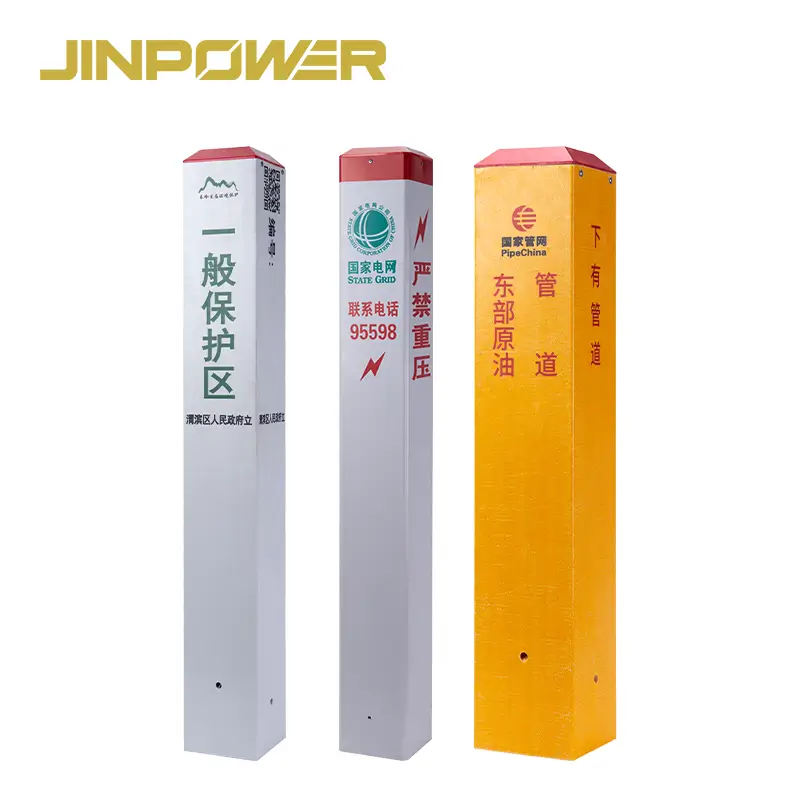
| FRP marker post | Supports outdoor route marking and boundary indication |
| Disposable warning tape | Marks temporary work zones and restricted areas |
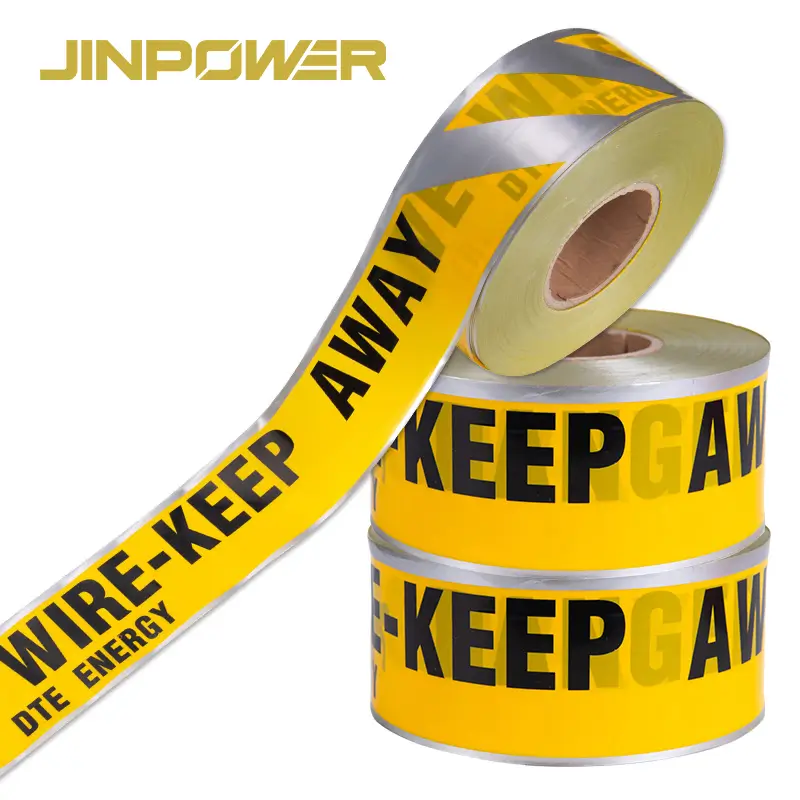
| Detectable underground electrical warning tape | Helps identify underground cable routes and buried utilities |
| Electrical site safety products | Supports overall facility safety control and area management |
These products can help improve site visibility, boundary control and facility maintenance management.
FAQ About Rodent Barriers
What is a rodent barrier used for?
A rodent barrier is used to block rodents from entering buildings, electrical rooms, cable trenches, garage doors, foundations, wall bottoms and service entrances. It creates a physical exclusion layer at common entry points.
Is this rodent barrier suitable for substations?
Yes. Rodent barriers are suitable for substations, especially around foundation edges, cable paths, building thresholds, control rooms and equipment room entrances.
Which rodent barrier material is best near electrical equipment?
FRP or PVC is often preferred when non-metallic or insulating materials are required near electrical equipment. The final choice should match the site risk, voltage environment and maintenance procedure.
When should I choose stainless steel rodent barrier?
Stainless steel rodent barriers are suitable for high-risk rodent areas, outdoor foundations, cable trench openings, wall bottoms and areas with stronger mechanical exposure.
Can it be used as a garage door rodent barrier?
Yes. Aluminum alloy and stainless steel rodent barriers are commonly used for garage doors, rolling shutter doors and service entrances where door-base gaps may allow rodent entry.
Can it be used for cable trenches?
Yes. Cable trenches and cable entry points are typical high-risk areas. Stainless steel and FRP options are commonly considered depending on durability and insulation requirements.
Is a rodent barrier a replacement for pest control?
No. A rodent barrier is a physical prevention layer. It can reduce entry opportunities, but it should be used together with site cleaning, inspection, sealing and pest management where required.
What information should I provide before requesting a quotation?
You can provide facility type, target area, entry gap size, preferred material, board height, thickness, length, quantity, packaging needs and project schedule.
Can JINPOWER customize rodent barrier boards?
Yes. JINPOWER can support custom material, size, thickness, surface finish, color marking, warning label, packaging and project-based specifications.
What material is better for outdoor rodent barriers?
Stainless steel, aluminum alloy and FRP are commonly considered for outdoor use. The final choice depends on corrosion exposure, impact risk, installation position and project budget.
Final Guidance
A rodent barrier is a practical physical exclusion product for electrical and power facilities. It helps reduce rodent entry at foundations, cable trenches, wall bottoms, door bases and service entrances.
For electrical rooms and switchgear areas, FRP and PVC are often considered when insulating materials are preferred.
For cable trenches and outdoor foundations, stainless steel or FRP may provide stronger long-term protection.
For garage doors and rolling shutter entrances, aluminum alloy or stainless steel can provide better door-base durability.
The right choice depends on site layout, entry gap size, rodent pressure, electrical environment, mechanical exposure and project budget.
Follow local regulations and your site safety procedure.
Request a Rodent Barrier Specification Recommendation
Tell us your facility type, target areas, entry gap size, preferred material, quantity, project schedule and packaging requirements.
JINPOWER can help you select suitable FRP, PVC, stainless steel or aluminum rodent barrier boards for substations, cable trenches, electrical rooms and service entrances.






 Hrvatski
 Čeština
 Dansk
Dansk Nederlands
 Filipino
 Français
 Deutsch
 Italiano
 日本語
日本語 Қазақ тілі
 ភាសាខ្មែរ
 한국어
한국어 Кыргызча
 ພາສາລາວ
 Монгол
 فارسی
فارسی Polski
 Português
 Română
 Русский
 Slovenščina
 Español
 Kiswahili
 ไทย
ไทย Українська
 Tiếng Việt
 English