What Does PPE Stand for in Electrical Work?
If you work in the electrical industry, you’ve probably heard the term PPE used every day. But what does PPE actually mean in an electrical setting?
PPE stands for Personal Protective Equipment. In simple words, it’s the specialized gear your team wears to protect themselves from electrical hazards—like electric shock, arc flash, and burns. Unlike general industrial PPE, electrical PPE is designed to resist high voltage, stop current flow, and shield workers from the intense energy that can come with live electrical work.
Think about it this way: a standard hard hat or cotton coveralls won’t save you from an arc flash. But properly rated gloves, arc suits, and insulated helmets will. That’s why understanding the PPE meaning in electrical work is so important. It’s more than just gear—it’s a safety barrier that must match the specific risks of your job.
Next, let’s break down exactly what electrical PPE means in the industry, how it’s defined by safety standards, and why it’s non-negotiable on any site where electricity is live.


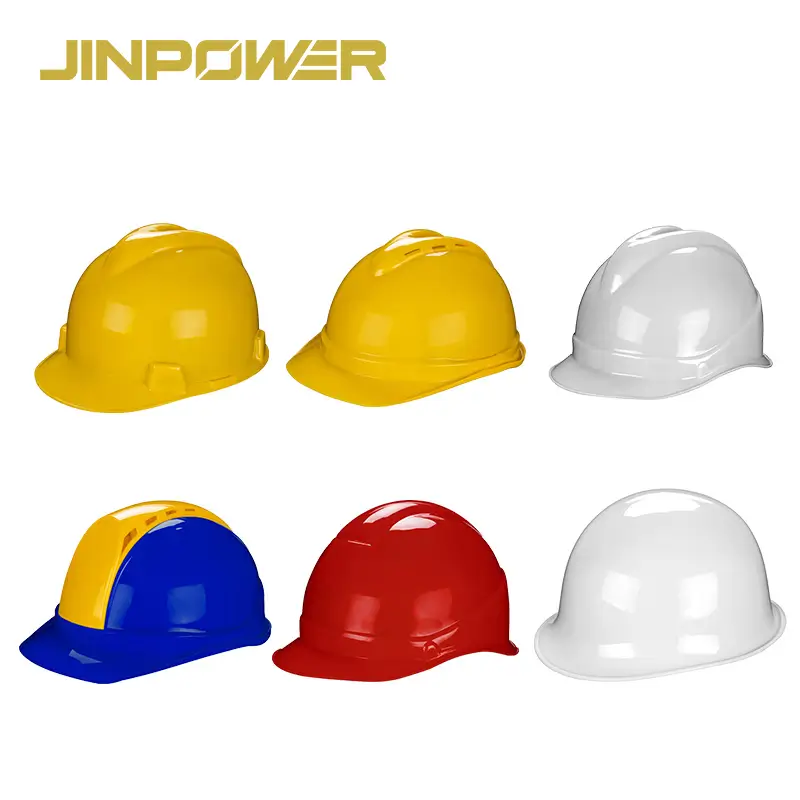

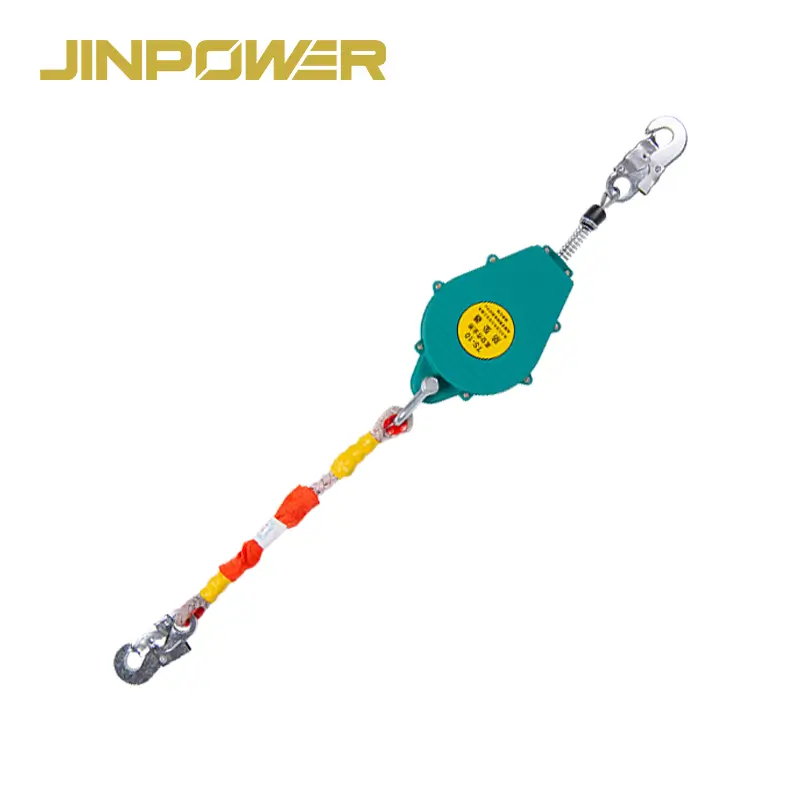
Electrical PPE Meaning in the Industry
So, what exactly does electrical PPE mean when we talk about real-world jobs? In the electrical industry, PPE isn’t just a helmet or gloves you pick up at the local hardware store. Electrical PPE means personal protective equipment specifically designed and rated to protect against electrical hazards like electric shock and arc flash.
Safety standards like OSHA 1910.137, NFPA 70E, and IEC 60903 all define what counts as proper electrical PPE. For example:
- Insulating rubber gloves must meet strict voltage ratings and pass dielectric tests.
- Arc flash suits must be arc-rated to handle potential incident energy levels.
- Insulated helmets, boots, and tools must prevent current from traveling through your body.
When someone asks, “What is PPE in electrical safety?” the answer is clear: it’s not just gear—it’s gear that’s tested, certified, and used to keep dangerous energy away from workers’ bodies. This means every piece, from gloves to face shields, must meet official standards and be worn correctly for it to work as intended.
Simply put, electrical PPE meaning is all about protection you can prove—and trust—when you’re working around live electricity.
Why Electrical PPE Is Different from General PPE
It’s easy to think all PPE is the same. But in reality, electrical PPE is a different league compared to standard safety gear. Why? Because when you work with electricity, your PPE must do more than protect you from bumps or dust—it has to stop dangerous energy from reaching your body.
Take gloves, for example. General work gloves protect your hands from cuts or chemicals. But insulating rubber gloves are tested to handle thousands of volts without breaking down. They must be paired with leather protectors to prevent cuts that could destroy their insulating strength.
Same goes for clothing. A basic cotton coverall might keep you clean, but it won’t do a thing against an arc flash. Arc-rated suits, on the other hand, are specially designed to resist the intense heat and pressure of an electrical explosion.
Even helmets are different. A regular hard hat might protect you from falling tools, but a voltage-rated helmet shields you from accidental contact with energized parts.
If you’re serious about electrical safety, don’t mix up general PPE with electrical PPE. The meaning of PPE in electrical work is clear—it’s gear that’s purpose-built and certified to protect you when working with live circuits and high-energy equipment.
Common Types of Electrical PPE
Now that you know what electrical PPE really means, let’s look at what it includes in practice. Here are the most common types of PPE used in electrical safety work—gear you should see on any site handling live circuits:
1. Insulating Rubber Gloves
These are a must-have. They create a barrier between you and live parts, preventing electric shock. Always use the correct voltage class, and never skip the leather protectors—they protect the rubber from cuts and wear.
2. Arc Flash Clothing (Arc-Rated Suit)
Regular work clothes won’t help in an arc flash incident. Arc-rated suits are designed to resist extreme heat, pressure, and fire, giving workers precious seconds to react and escape harm.
3. Insulated Tools
Screwdrivers, pliers, cable cutters—all these must be insulated and voltage-rated. One slip with an uninsulated tool can defeat the purpose of every other piece of PPE you wear.
4. Voltage-Rated Helmets and Face Shields
Your hard hat should do more than protect you from falling objects. It should also resist accidental contact with live parts. In arc flash areas, a full face shield or arc hood adds another layer of protection.
5. Dielectric Footwear
When working in damp areas, switchgear rooms, or near grounded metal, insulated boots or overshoes help block dangerous step potential.
6. Hearing and Eye Protection
Arc flashes can be loud and cause flying debris. Impact-rated safety glasses and hearing protection help cover these risks.
Each piece of PPE has one goal: to protect you from a specific electrical hazard. That’s why proper electrical PPE always matches your voltage level, job task, and site conditions—one-size-fits-all doesn’t apply here.
When and Where Is Electrical PPE Required?
So, when exactly do you need to wear electrical PPE? Short answer: anytime you’re exposed to live electricity or potential arc flash hazards.
But let’s break it down with a few common examples:
Routine Maintenance & Inspections
Working on energized panels, switchgear, or control boxes? You need at least insulating gloves, arc-rated clothing, and insulated tools. Even “just opening a panel” can expose you to unexpected live parts.
High-Voltage Installations and Repairs
Substation crews, transmission line teams, or cable jointers often work around thousands of volts. Here, your PPE must match the system voltage—Class 2 or higher gloves, full arc flash suits, and dielectric footwear are a must.
Confined Spaces or Outdoor Sites
Underground vaults, cable trenches, or outdoor switchyards add more risk—damp conditions, limited escape routes, and higher step potential. PPE here often includes extra dielectric mats or insulated platforms.
Emergency Repairs & Testing
Troubleshooting live circuits? Testing energized equipment? This is where too many teams cut corners—don’t. You still need full PPE rated for the highest possible fault energy.
Legal Requirement, Not a Choice
Standards like OSHA 1910.137, NFPA 70E, and IEC 60903 all agree: proper PPE for electrical work is required, not optional. It’s your last line of defense when lockout/tagout isn’t possible, or when live work must be done.
If there’s any chance of contact with live parts, wear your PPE. If you’re unsure—go with more protection, not less.
Standards That Define Electrical PPE
You now know what electrical PPE is—but how do you know your gear actually does its job? That’s where safety standards come in.
For electrical work, global standards clearly define what counts as proper PPE and how it must be tested, labeled, and maintained.
OSHA 1910.137 (U.S.)
In the U.S., OSHA regulations set the minimum PPE requirements for electrical work. For example, insulating gloves must be rated for the system voltage and tested every six months. Hard hats, face shields, and arc flash clothing must meet performance specs too.
NFPA 70E
This widely used standard lays out how to assess arc flash hazards, calculate incident energy, and select arc-rated PPE accordingly. It also describes PPE categories (CAT 1–4) for different risk levels.
IEC Standards (International)
Working globally? IEC 60903 and related standards cover insulating gloves, sleeves, and mats. IEC 61482 addresses arc-rated clothing. Many countries adopt or align with these guidelines to ensure your PPE is safe under real working conditions.
Your Project Specs May Go Further
Big utilities, data centers, or rail projects often add stricter PPE rules. Always check your contract or site requirements—they may ask for more frequent testing, higher arc ratings, or special certifications.
PPE for electrical work isn’t generic. It’s carefully specified by standards that back up its meaning and performance—giving you proof that your protective gear actually works when you need it most.
Common Misunderstandings About Electrical PPE
Even experienced teams can get electrical PPE wrong. Let’s clear up a few myths that cost companies time, money—and sometimes much worse.
“Any PPE Will Do”
Nope. Regular work gloves or generic helmets won’t protect you from high voltage or arc flash. Electrical PPE must be specially tested, rated, and labeled for electrical hazards. If it’s not voltage-rated or arc-rated, it doesn’t count.
“Once It’s Bought, It’s Good Forever”
Wrong again. Insulating gloves degrade over time, even in storage. Arc suits get worn or damaged. That’s why OSHA and IEC require regular testing, inspection, and proper replacement.
“One Size Fits All”
Electrical risks vary by task, voltage, and environment. You might need Class 0 gloves for routine panel work—but Class 3 or 4 gloves for high-voltage jobs. Always match your PPE to the real hazard level, not just the minimum.
“PPE Means You Can Skip Other Safety Measures”
Absolutely not. PPE is your last line of defense, not your first. Lockout/tagout, safe work procedures, and qualified training come first—proper PPE for electrical work adds the final layer of protection if something goes wrong.
Understanding what PPE means in electrical work means knowing what it can—and can’t—do. Treat your PPE as part of a bigger safety system, not a replacement for it.
How JINPOWER Supports Your Electrical PPE Needs
Understanding the meaning of electrical PPE is one thing—getting the right gear, tested and certified, is another. That’s where JINPOWER comes in.
We don’t just supply random gloves and suits. We deliver proper electrical PPE that meets OSHA, NFPA 70E, and IEC standards, so you know your team’s protection is real, not just good on paper.
Here’s how we help you stay compliant and confident:
- Certified Products: From insulating gloves to arc flash suits, every item is tested, traceable, and labeled according to international requirements.
- Custom Solutions: Need bulk orders, special sizes, or branded PPE for your crews? We can tailor kits to your specific voltage levels and work environments.
- Testing & Documentation: We provide clear test reports and reminders for recertification, so your inspections and audits run smoothly.
- B2B Service You Can Rely On: With over 10 years serving the electrical industry, our team understands real field challenges—fast quotes, export support, and advice that helps you choose the proper PPE for electrical work without guesswork.
Proper electrical PPE is too important to leave to chance. If you want to keep your crews safe, your projects compliant, and your reputation solid—partner with JINPOWER and get the peace of mind you deserve.
Ready to upgrade your electrical PPE? Let’s talk.