
Recommended News
Hot News
Fill in your information
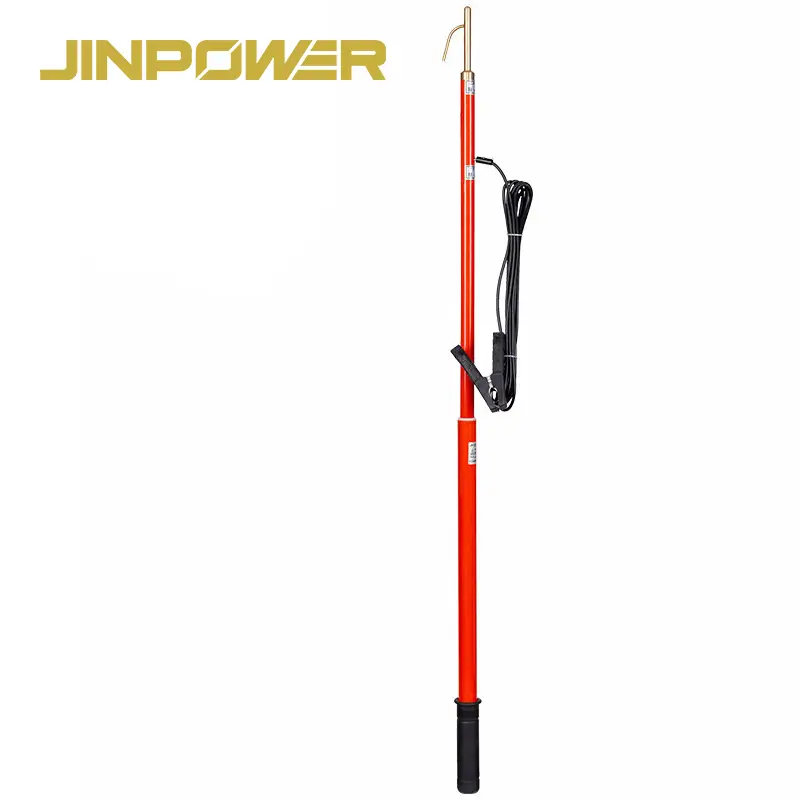
High Voltage Discharge Rod 10kV–220kV for Residual Voltage Discharge
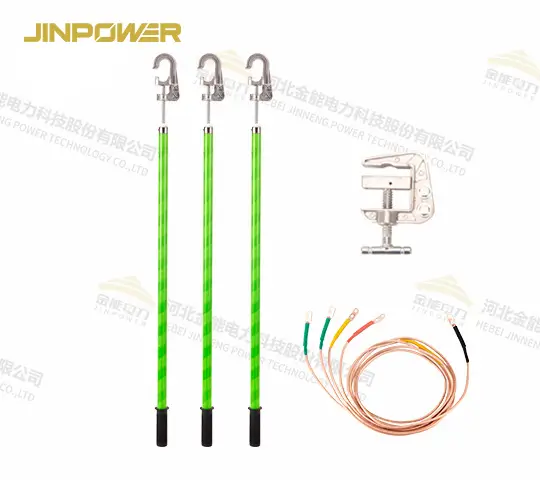
JINPOWER high voltage discharge rods are designed to help discharge residual or induced voltage from de-energized electrical equipment before inspection, maintenance or grounding work.
They are commonly used in substations, switchgear rooms, high voltage testing laboratories, capacitor banks, transformer areas, DC distribution cabinets and field maintenance sites.
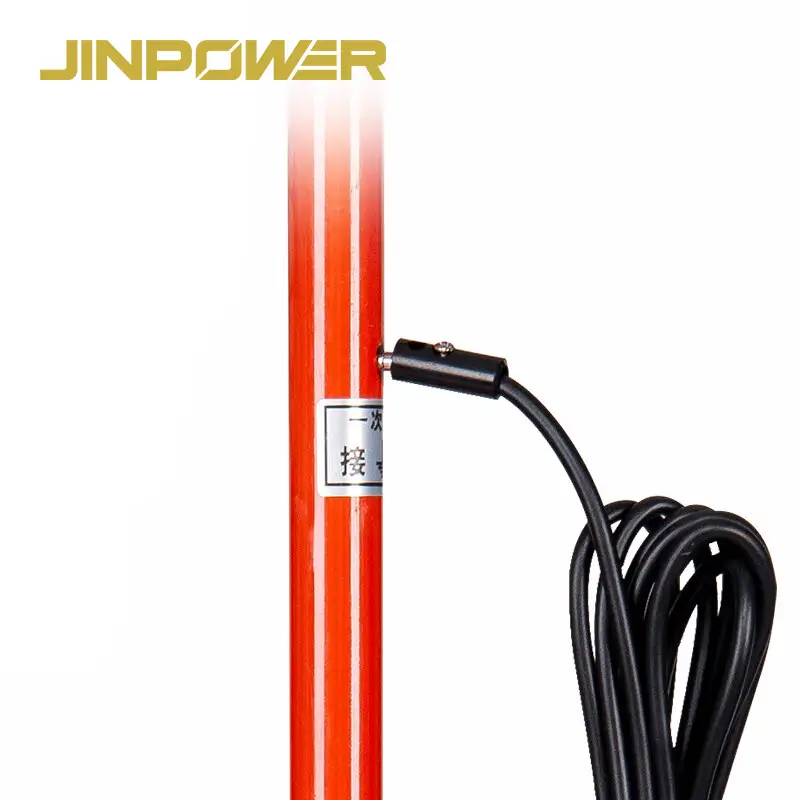
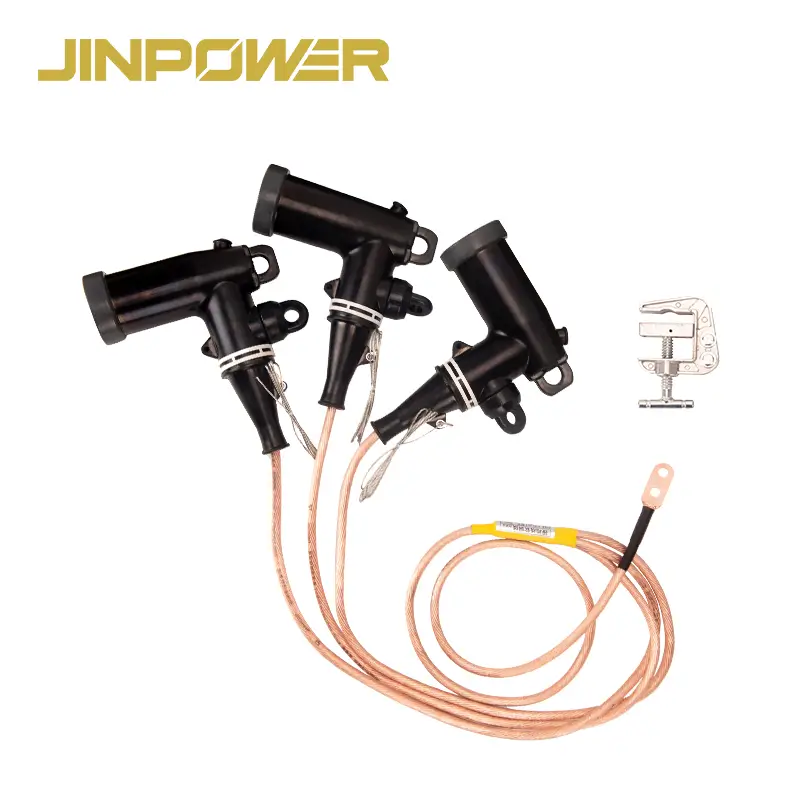
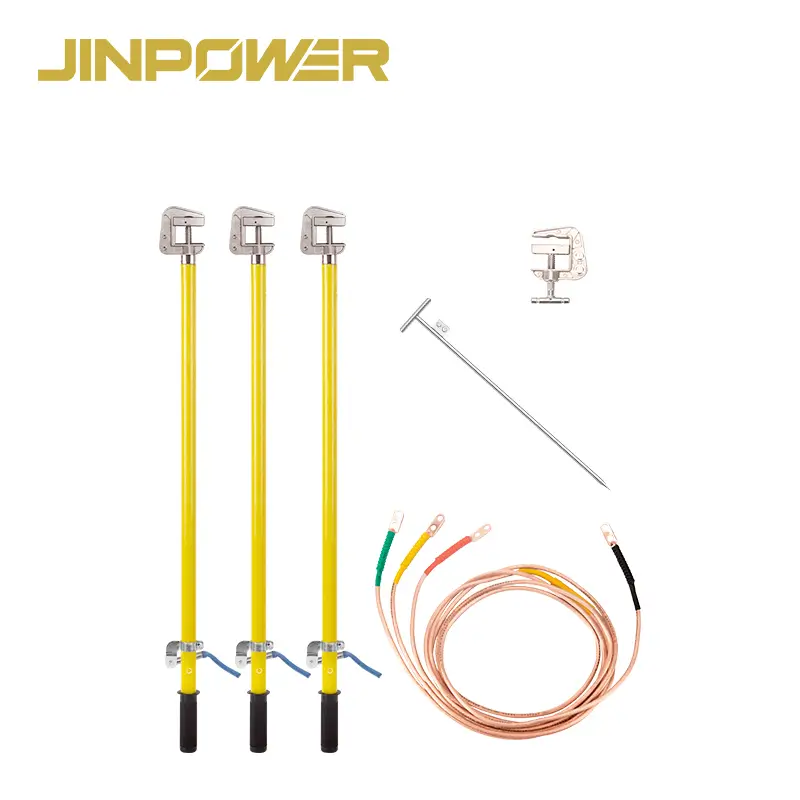
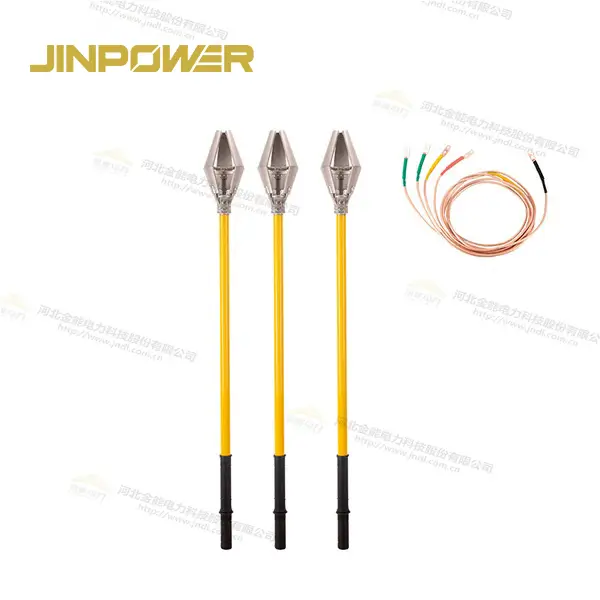
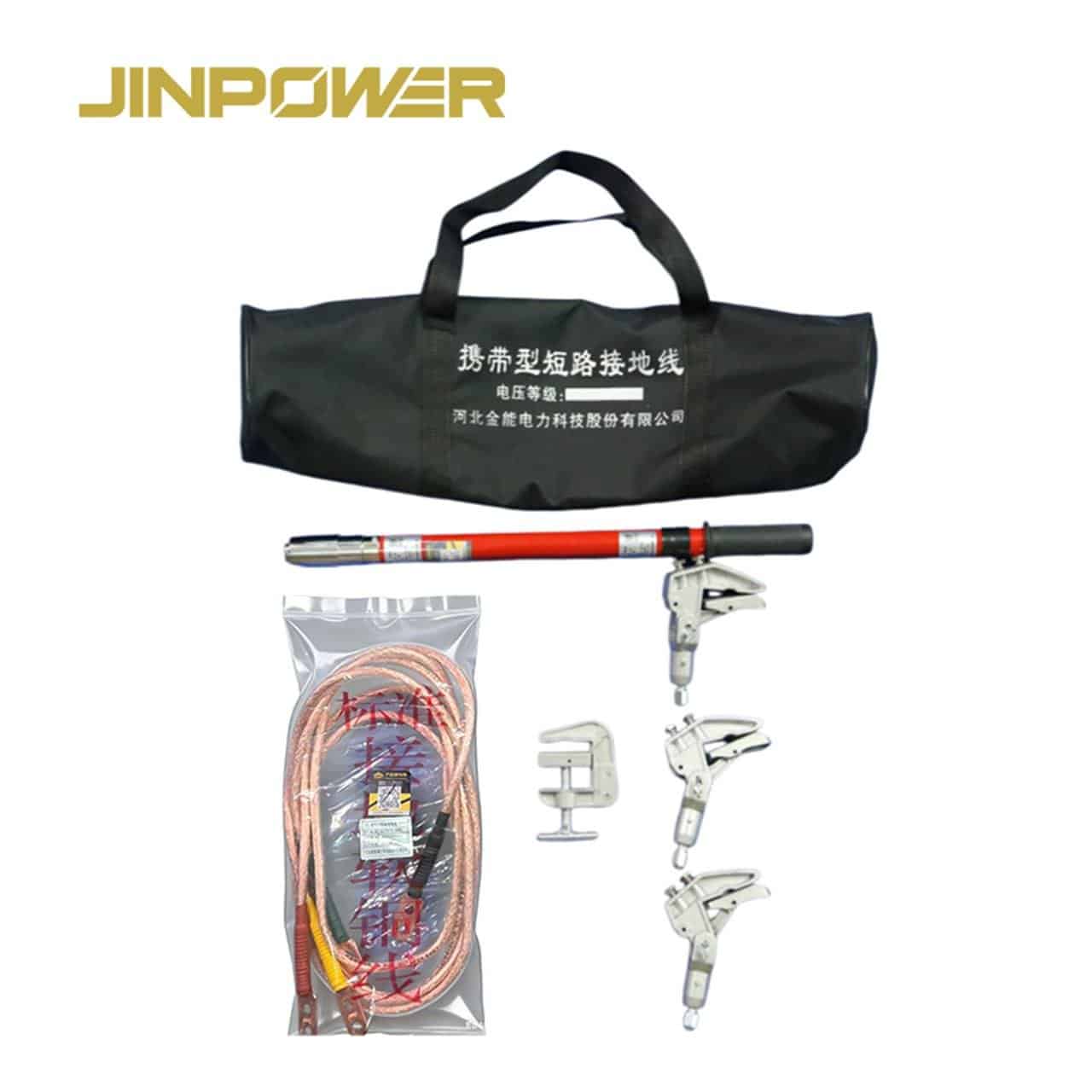
The discharge rod can be supplied for 10kV, 35kV, 110kV and 220kV applications, with epoxy resin or FRP insulated rod sections, discharge hook, grounding cable and grounding clamp. Telescopic structures support easier transport, storage and field operation.
For project buyers, utility teams and electrical safety distributors, JINPOWER can support rod length selection, hook configuration, grounding cable length, clamp type, packaging and document requirements.

Product Specifications
| Voltage Grade | Rod Length | Material | Common Use |
|---|---|---|---|
| 10kV | 1300 mm | Epoxy resin rod | Distribution panels, RMU, low-voltage and medium-voltage maintenance areas |
| 35kV | 1700 mm | Epoxy resin rod | Medium-voltage substations and switchgear areas |
| 110kV | 2400 mm | Epoxy resin rod | High-voltage substations and transmission-related work |
| 220kV | 3400 mm | Epoxy resin rod | High-voltage substations, transmission yards and field maintenance |
Standard Kit Components
| Standard Kit Component | Description |
|---|---|
| Discharge Rod | Voltage-rated insulated rod for residual voltage discharge |
| Discharge Hook | U-shaped, straight or customized hook option |
| Grounding Wire | Single-phase grounding wire, length by requirement |
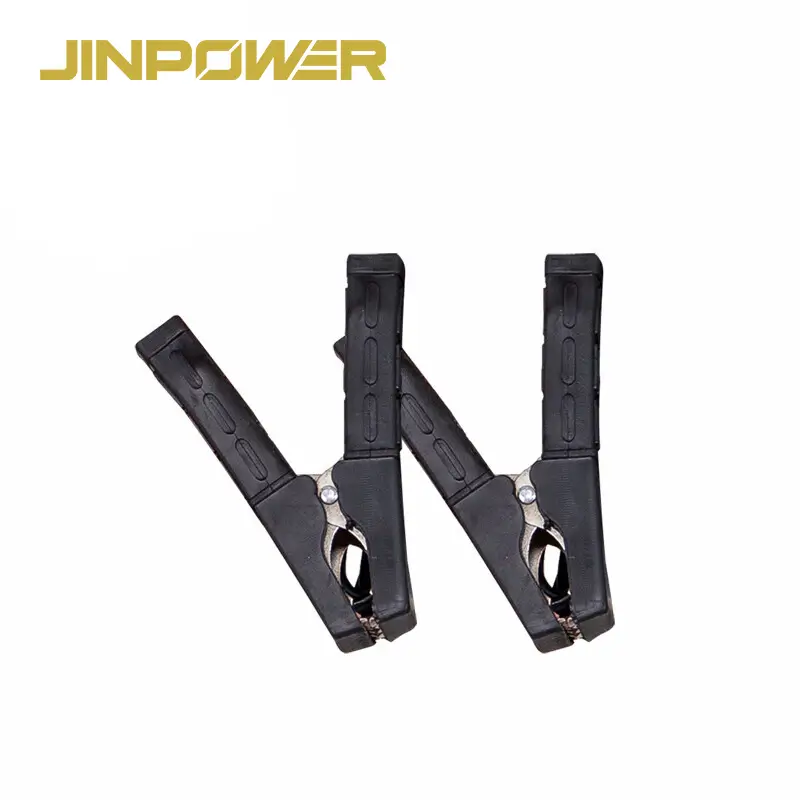
| Grounding Clamp | Spring, screw-lock or project-specific clamp |
| Carrying Option | Bag, case or project packaging by order requirement |
| Documentation | Product specification, packing information and available test documents |
Standard models cover 10kV, 35kV, 110kV and 220kV applications. Custom voltage levels, rod lengths and cable configurations can be discussed according to project requirements.
What Is a High Voltage Discharge Rod Used For?
A high voltage discharge rod is used to help discharge residual or induced voltage from de-energized electrical equipment before maintenance, testing or grounding work.
It is commonly used after proper isolation and voltage verification, especially in equipment that may retain stored electrical energy, such as capacitors, cables, busbars, transformers, switchgear and DC testing systems.
The discharge rod should be used only by trained personnel according to approved operating procedures, voltage verification requirements, grounding sequence and site safety rules.
Follow local regulations and your site safety procedure.
How the Discharge Rod Works
A discharge rod provides an insulated operating distance and a controlled grounding path for residual voltage discharge.
| Step | Function |
|---|---|
| Grounding Connection | Connect the grounding cable and clamp to an approved grounding point |
| Contact Positioning | Use the insulated rod to position the discharge hook near the target point |
| Residual Charge Release | Residual or induced voltage is released through the grounding path |
| Confirmation | Follow site procedure before maintenance or grounding work continues |
The actual operation sequence should follow the user’s electrical safety procedure. Voltage verification and grounding rules must be followed before any maintenance activity.
Key Components of the Discharge Rod
A complete discharge rod system usually includes an insulated rod, discharge hook, grounding cable and grounding clamp. Each part should be selected according to voltage grade, working distance and site procedure.
| Component | Function | Options |
|---|---|---|
| Insulated Rod | Provides operating distance and insulation support | Epoxy resin / FRP, fixed or telescopic |
| Discharge Hook | Contacts the discharge point | U-shaped, straight, custom-angle |
| Grounding Cable | Creates the discharge path to ground | 3m, 5m, 10m or custom length |
| Grounding Clamp | Connects to grounding bar or grounding point | Spring type, screw-lock, custom clamp |
| Connector | Links cable and rod securely | Pin type, ring type or project-specific |
| Carrying Case | Supports transport and storage | Canvas bag, hard case or custom packaging |
Grounding Cable and Clamp Options
Grounding cable and clamp configuration should match the site grounding point, equipment layout and operating procedure.
| Option | Available Configuration |
|---|---|
| Cable Length | 3m, 5m, 10m or custom length |
| Conductor | Flexible copper conductor |
| Cable Insulation | PVC, silicone or XLPE option by requirement |
| Cable Size | Common options such as 16mm²–35mm², depending on project requirement |
| Clamp Type | Spring-loaded, screw-lock or custom grounding clamp |
| Termination | Pre-fitted lug, modular terminal or project-specific connection |
| Packaging | Carrying bag, hard case, kit packing or export carton |
For field maintenance, cable flexibility, clamp grip and storage convenience should be confirmed before ordering.
Recommended Applications
JINPOWER high voltage discharge rods are suitable for electrical maintenance and testing environments where residual or induced voltage may remain after equipment isolation.
| Application Area | Typical Use |
|---|---|
| Substations | Residual voltage discharge before inspection or maintenance |
| High-voltage Testing Laboratories | Discharge after DC withstand voltage tests |
| Switchgear Rooms | Discharge support before maintenance work |
| Transformer Areas | Residual charge release and grounding preparation |
| Capacitor Banks | Stored energy discharge after isolation and verification |
| DC Distribution Cabinets | DC residual voltage discharge support |
| Field Maintenance Sites | Portable discharge and grounding preparation |
The discharge rod should be selected according to voltage grade, operating distance, grounding method and site work procedure.
Model Selection by Voltage Grade
Choosing the correct discharge rod model is important for field safety and operation convenience.
| Voltage Grade | Recommended Rod Length | Selection Notes |
|---|---|---|
| 10kV | 1300 mm | Suitable for distribution equipment and medium-voltage maintenance areas |
| 35kV | 1700 mm | Suitable for medium-voltage substations and switchgear rooms |
| 110kV | 2400 mm | Suitable for higher-voltage substations and transmission-related areas |
| 220kV | 3400 mm | Suitable for high-voltage yards and larger working distance requirements |
If the work area has special height, spacing or access limits, custom rod length and telescopic structure can be discussed.
Selection Checklist Before Ordering Discharge Rods
Before ordering a high voltage discharge rod, confirm the required voltage grade, application area and accessory configuration.
| Check Point | What to Confirm |
|---|---|
| Voltage Grade | 10kV, 35kV, 110kV, 220kV or custom requirement |
| Rod Length | Required working distance and equipment height |
| Structure | Fixed rod or telescopic rod |
| Discharge Hook | U-shaped, straight, angled or custom hook |
| Grounding Cable | Cable length, conductor size and insulation material |
| Clamp Type | Spring clamp, screw-lock clamp or project-specific clamp |
| Application | Substation, testing lab, switchgear, capacitor bank or DC cabinet |
| Packaging | Carrying bag, hard case, kit packing or export carton |
| Documentation | Product specification, packing list, available test report or project documents |
| OEM Needs | Logo, label language, manual, color coding and packaging |
Clear selection information helps reduce wrong configuration and improves quotation accuracy.
Use, Inspection and Storage Guidance
High voltage discharge rods are electrical safety tools. They should be inspected before use and stored properly after use.
| Check Item | What to Inspect |
|---|---|
| Rod Surface | Cracks, scratches, contamination, moisture or tracking marks |
| Telescopic Lock | Whether each section locks firmly |
| Discharge Hook | Deformation, corrosion, looseness or poor contact surface |
| Grounding Cable | Broken strands, insulation damage or loose terminals |
| Grounding Clamp | Spring force, screw condition and contact surface |
| Connector | Firm connection between rod and grounding wire |
| Label | Voltage grade, warning marking and product identification |
| Storage | Clean, dry and protected from impact, sunlight and chemicals |
Do not use the discharge rod if the insulation surface, hook, cable, clamp or connector shows visible damage.
Store the rod in a clean, dry and protected condition. Avoid impact, compression, moisture, oil, chemicals and direct sunlight.
Testing and Documentation Support
JINPOWER can supply discharge rods according to product specification and project requirements. Testing and documentation support can be provided according to model and order requirements.
| Item | Description |
|---|---|
| Insulation Inspection | Rod surface and insulation performance check according to specification |
| Mechanical Inspection | Rod structure, telescopic lock and hook connection check |
| Resistance Verification | For models with resistor module, resistance value can be checked by specification |
| Cable and Clamp Check | Confirms grounding cable and clamp connection condition |
| Product Specification | Voltage grade, rod length, material, accessories and packaging |
| Available Test Report | Supplied according to model and order requirement |
| Packing Information | Supports receiving, warehouse and project documentation |
Different projects may require different test documents, packaging records or product identification. Buyers should confirm documentation needs before placing an order.
Customization Options
JINPOWER supports customized discharge rod configurations for utility, testing lab, substation and field maintenance applications.
| Custom Item | Available Options |
|---|---|
| Voltage Grade | 10kV, 35kV, 110kV, 220kV or project-specific requirement |
| Rod Length | Standard or custom length |
| Structure | Fixed rod, telescopic rod, multi-section rod |
| Hook Type | U-shaped, straight, angled or custom head |
| Grounding Cable | Cable length, cable size, insulation material |
| Clamp Type | Spring, screw-lock or custom clamp |
| Label | Voltage marking, safety warning, language option |
| Packaging | Carrying bag, hard case, export carton or kit packing |
| Documentation | Specification, manual, packing list, available test report |
For distributors and project buyers, JINPOWER can also discuss product labeling, kit packaging and batch supply requirements.
Related Electrical Safety Products
High voltage discharge rods are often used together with voltage detection, grounding and electrical PPE products.
| Related Product | Main Use |
|---|---|
| Portable Earthing and Short Circuit Kits | Temporary earthing and short-circuiting support |
| Grounding Stick | Grounding operation and cable installation support |
| Grounding Cable | Connection between equipment and grounding point |
| High Voltage Detector | Voltage verification before discharge or grounding work |
| Electrical Insulating Gloves | Hand protection during electrical work |
| Electrical Insulating Boots | Foot protection in electrical work areas |
| Electrical Safety Tool Cabinet | Storage and management of discharge rods and safety tools |
| Insulated Rescue Hook | Emergency rescue support in electrical areas |
Using related safety tools together helps build a more complete electrical maintenance and grounding preparation system.
How to Request a Discharge Rod Quotation
To help JINPOWER recommend a suitable discharge rod configuration, please provide the following information.
| RFQ Information | What to Provide |
|---|---|
| Voltage Grade | 10kV, 35kV, 110kV, 220kV or special voltage requirement |
| Application Area | Substation, testing lab, switchgear room, capacitor bank or field maintenance |
| Rod Length | Standard length or custom length requirement |
| Structure Type | Fixed rod, telescopic rod or multi-section rod |
| Hook Requirement | U-shaped, straight, angled or custom hook |
| Grounding Cable | Required length, cable size and insulation material |
| Clamp Type | Spring clamp, screw-lock clamp or project-specific clamp |
| Quantity | Trial order, project order or batch procurement |
| Packaging | Carrying bag, hard case, kit packing or export carton |
| Documentation | Product specification, available test report, packing list or project documents |
Clear RFQ information helps reduce communication time and supports faster quotation.
FAQ About High Voltage Discharge Rods
What is a high voltage discharge rod used for?
A high voltage discharge rod is used to help discharge residual or induced voltage from de-energized electrical equipment after proper isolation and voltage verification. It is commonly used before inspection, maintenance or grounding work.
How do I choose the correct discharge rod voltage grade?
Choose the voltage grade according to the system voltage, equipment height, operating distance, site procedure and project requirement. Standard models include 10kV, 35kV, 110kV and 220kV.
Does the discharge rod include grounding cable and clamp?
JINPOWER can supply the discharge rod alone or a complete kit with discharge rod, grounding wire and grounding clamp. The final configuration depends on order requirements.
Can the grounding cable length be customized?
Yes. Common cable lengths include 3m, 5m and 10m. Custom cable length, conductor size and insulation material can be discussed according to project needs.
What is the difference between a discharge rod and a grounding stick?
A discharge rod is mainly used to help release residual or induced voltage. A grounding stick is mainly used to install or operate grounding cables. In some work procedures, both tools may be used together.
Can JINPOWER provide telescopic discharge rods?
Yes. JINPOWER can provide fixed or telescopic discharge rods according to voltage grade, rod length and field operation requirements.
What should be checked before use?
Before use, check the rod surface, telescopic lock, discharge hook, grounding cable, grounding clamp, connector and voltage marking. Do not use damaged or contaminated tools.
Can JINPOWER support OEM or project packaging?
Yes. JINPOWER can support label, manual, packaging, grounding cable configuration and project documentation requirements according to order needs.
Request a High Voltage Discharge Rod Quotation
Tell us your voltage grade, required rod length, structure type, discharge hook requirement, grounding cable length, clamp type, quantity, packaging and documentation needs.
JINPOWER can help you match a suitable discharge rod configuration for substation, testing lab, switchgear or field maintenance use.








 Hrvatski
 Čeština
 Dansk
Dansk Nederlands
 Filipino
 Français
 Deutsch
 Italiano
 日本語
日本語 Қазақ тілі
 ភាសាខ្មែរ
 한국어
한국어 Кыргызча
 ພາສາລາວ
 Монгол
 فارسی
فارسی Polski
 Português
 Română
 Русский
 Slovenščina
 Español
 Kiswahili
 ไทย
ไทย Українська
 Tiếng Việt
 English