
Insulating Mat for Electrical Purpose: IEC 61111 Safety Mats for Switchgear & Substations


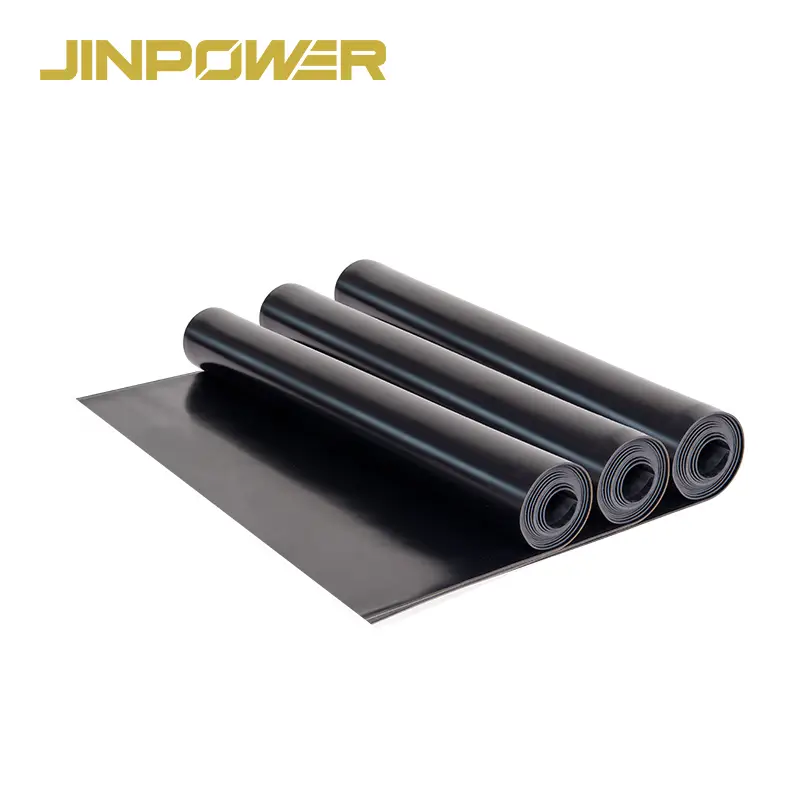
Electrical work demands controlled risk, not wishful thinking. JINPOWER insulating mats create a defined safe work zone in front of panels, switchgear, and test benches by interrupting step- and touch-potential paths. We build to IEC 61111 with options for ASTM/GB compliance, oil and chemical resistance, and field-ready surface patterns—cut to your exact width, length, and color coding.
What Is an Insulating Mat for Electrical Purpose?
An insulating mat is a rubber-based safety floor covering engineered to withstand specified test voltages and provide a high-impedance barrier between personnel and ground during electrical work. It complements, not replaces, lockout/tagout, earthing, and PPE. JINPOWER mats are batch-tested for dielectric strength, mechanical durability, and environmental resistance and carry permanent class markings for traceability.
Insulating pads for electrical applications
- Substations and switchgear fronts (11 kV / 33 kV bays, control rooms)
- Motor control centers, transformer rooms, generator rooms
- Data centers and UPS/battery rooms
- Rail & metro maintenance areas, rolling stock depots
- Industrial production lines and E-test benches
Selection shorthand: choose voltage class first, then match surface pattern and compound to the floor environment (dry/wet/oily/chemical).
Compliance & Ratings
IEC 61111 defines classes by maximum working voltage and associated test levels. For global programs, we map to ASTM D178/GB equivalents on request and provide cross-reference sheets with shipments.
Key properties available: dielectric strength, flammability performance, oil/fuel/acid resistance, ozone/UV aging resistance, slip resistance, abrasion/tear durability, and temperature window.
Material & Construction
- Compounds: NR/SBR blends for general use; NBR-rich recipes for oil-heavy plants; specialty elastomers for flame/low-temperature/ozone.
- Build: single-layer or laminated structures for combined electrical and mechanical performance.
- Surface patterns: ribbed, diamond/checker, coin/round, or smooth—selected to balance slip resistance with cleanability.
Size, Thickness & Color Options
- Widths: 1000 / 1200 / 1500 mm (custom on request)
- Lengths: by the meter or full rolls (typically 10–20 m); cut-length service available
- Thickness: 3–12 mm standard bands matched to class and environment
- Colors: black/dark grey industrial baseline; yellow edge stripe and custom hazard legends for visual control; logo and bay IDs can be hot-stamped or ink-printed
Performance & Testing
Every production lot undergoes dielectric tests (proof/withstand), insulation resistance checks, and mechanical tests (tensile, elongation, tear, abrasion). Environmental testing covers accelerated aging, oil/acid exposure (where specified), and slip on dry/wet surfaces. Certificates of Analysis are packed with each shipment; third-party reports available.
Installation & Maintenance
- Placement: cover full stance width in front of the live-work face; align seams away from trip lines; add termination strips or beveled edges where traffic is heavy.
- Anti-creep: use non-staining tapes or factory backings for smooth epoxy floors.
- Cleaning: neutral detergents only; avoid strong solvents; rinse and dry flat.
- Inspection: remove from service if you see cuts that penetrate the top layer, carbonized spots, bulges, hardening/cracking, or any electrical test failure.
- Lifecycle: interval depends on duty cycle and environment; we recommend scheduled visual checks plus periodic electrical verification in line with site SOPs.
Safety Integration
An insulating mat is one control in a system. Pair it with insulating gloves, insulating rods, portable earthing, rescue hooks, and barrier systems. Train crews on approach boundaries and step-potential scenarios; keep mats dry, clean, and free of conductive debris.
Comparison Guide
- Insulating Mat vs Anti-Fatigue Mat: anti-fatigue aids ergonomics; it is not tested for dielectric performance.
- IEC 61111 vs ASTM D178: both define classes by electrical performance; marking, test procedures, and category codes differ—select to match regional compliance and tender language.
- Smooth vs Ribbed vs Checker:
- Smooth: easy to sanitize; best for dust-sensitive rooms.
- Ribbed: drainage and directional grip; common in switchrooms.
- Checker/Coin: strong multi-directional traction; forgiving on boots.
Buyer’s Checklist
- Class/Working Voltage required at the point of use
- Environment: dry, wet, oily, chemical; need for flame/ozone/low-temp resistance
- Width/Length/Thickness and edge treatments
- Pattern for traction vs cleanability
- Marking & Documentation: permanent class marks, COA, third-party test if needed
- Packaging & Logistics: roll size, pallet plan, labeling language set
- After-sales: re-test support, replacement strategy, training materials
Technical Data Table
IEC 61111 Electrical Classes
| IEC Class | Max Working Voltage (AC) | Typical Proof Test (AC) | Typical Withstand (AC) | Nominal Thickness Range* |
|---|---|---|---|---|
| Class 0 | 1 kV | 5 kV | 10 kV | 3–5 mm |
| Class 1 | 7.5 kV | 10 kV | 20 kV | 4–6 mm |
| Class 2 | 17 kV | 20 kV | 30 kV | 5–8 mm |
| Class 3 | 26.5 kV | 30 kV | 40 kV | 6–10 mm |
| Class 4 | 36 kV | 40 kV | 50 kV | 8–12 mm |
*Thickness guidance varies by pattern and environment; JINPOWER will size to achieve electrical class plus required mechanical durability.



Full dimensional table (width/length/roll) and per-class SKUs are provided with quotations; custom patterns, bevels, and safety legends available.
Quality Assurance & Certificates
- ISO-based production, batch traceability, and retained samples
- COA with dielectric and mechanical results per lot
- Optional third-party witnessing for project/tender packages
- Document set: product data sheet, installation & maintenance guide, compliance declaration (IEC/ASTM/GB), and labeling in your language set
Industries & Use Cases
Power utilities and EPCs; metro/rail operators; data centers; oil & gas; pharmaceuticals and food plants (control rooms); shipyards and heavy industry. Case kits include ribbed Class 2 mats for 11–15 kV switchboards, and oil-resistant checker mats for MCCs near lubrication lines.
FAQ
Q1. Which class should I use for 11 kV and 33 kV switchgear bays?
Match to the maximum working voltage at the point of use and your site rules. Many sites adopt Class 2 in 11 kV rooms and Class 3/4 for higher-risk or 33 kV bays. Always follow your electrical safety standard and engineering authority.
Q2. Can insulating mats be used on oily floors?
Yes—specify oil-resistant (NBR-rich) compounds and a checker/coin surface for traction. Regular cleaning is still required to maintain slip resistance.
Q3. How often should mats be replaced or retested?
Follow your site SOP. Remove from service immediately if you see cuts, burns, carbonization, bulges, or hardening. Periodic electrical verification is recommended per your standard.
Q4. Do insulating mats need earthing?
No. They provide insulation, not a conductive path. Do not bond or earth the mat unless a specific engineered control requires it.
Q5. Which surface pattern is best for wet environments?
Ribbed for drainage or checker/coin for multidirectional grip. In high-hygiene rooms, a smooth surface may be preferred for fast cleaning.
Q6. Can I print warnings or bay IDs on the mat?
Yes. We support yellow edge stripes, hazard legends, and logo/bay IDs to improve visual management and auditability.
Q7. What is the difference between IEC 61111 and ASTM D178?
Both classify by electrical performance but differ in test procedures, markings, and category codes. Select to match regional compliance and tender specifications; we supply either.
Why Choose JINPOWER
- Standards-ready: IEC/ASTM/GB builds with documented test results
- Fit-for-purpose formulations: general, oil-resistant, flame/ozone/low-temp options
- Project-grade customization: widths, lengths, bevels, legends, color coding
- Documentation: COA per lot, multi-language labeling, tender packs
- Delivery: stable lead times, export-grade packing, door-to-door logistics support
Request Spec & Quote in 24 Hours
Send your voltage class, width/length, pattern, environment (dry/wet/oil/chemical), and quantity. We will return a specification sheet, recommended SKU, packing plan, and lead time. Samples (texture swatches and cut pieces) available for engineering review.
