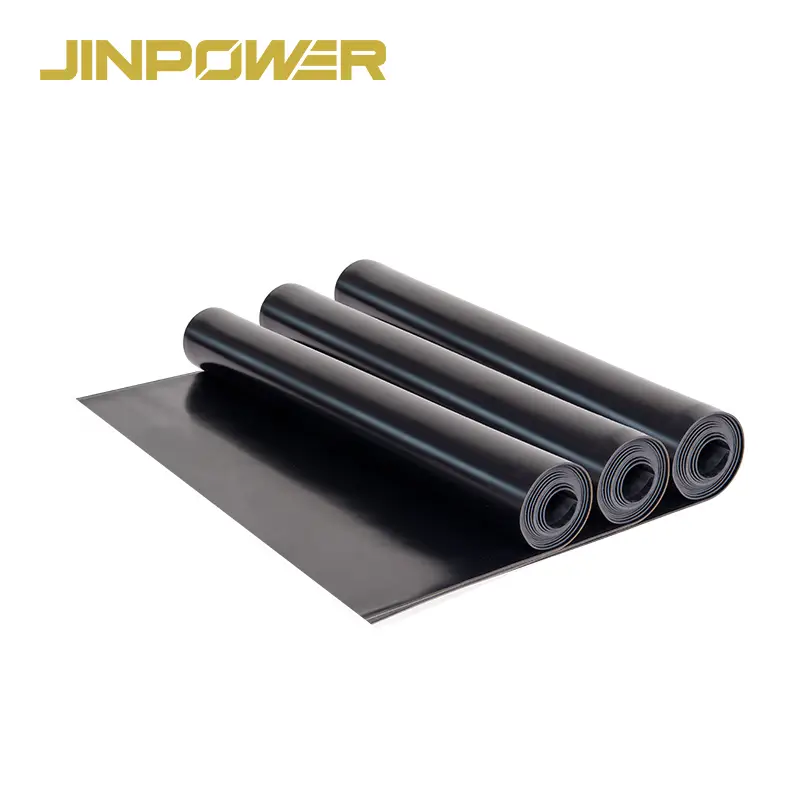
Why Insulating Mats Must Be Used in Electrical Maintenance Environments


In an electrical maintenance environment—whether a medium-voltage switchgear room, transformer repair area, or control panel servicing zone—the hazards go beyond just live conductors. Even with equipment isolation and grounding in place, the floor and the path from a technician’s feet to ground remain a vulnerable link. Insulating mats (such as those provided by high-quality manufacturers) transform that link into a deliberate part of the safety design. This article explains the risks specific to maintenance environments, how insulating mats work, how to select them, and how they deliver real benefit in high-risk zones.
Key Risk Factors During Electrical Maintenance
Exposure of Personnel to Semi-Energised Equipment
During maintenance operations, equipment that is nominally isolated may still carry residual charge, leakage currents or may become live during testing. Technicians often stand or kneel in front of panels while using insulated tools—but their feet may be on a conductive floor or a floor contaminated by oil/grease/water.
Unintended Ground Paths via Tools or Equipment
Repair platforms, tool carts, metal ladders, cable reels—everything that links to ground can create an unplanned current path. A technician standing on a regular floor, even wearing insulating boots, may still be at risk if the floor is conductive or poorly maintained.
Environmental Conditions That Degrade Insulation
Repair zones often have oil, water spray, coolant spills, dust, abrasion and heavy foot traffic. These conditions degrade floor insulation and increase the risk of shock or ground fault.
The Floor as the Final Link in the Safety Chain
Even if the equipment is well insulated, the floor remains the final physical interface between the technician and earth. Without a dedicated insulating mat, this interface can become the weakest link—especially when combined with human factors such as fatigue, tool manipulation or awkward posture.
Functions of Insulating Mats in Maintenance Zones
Creating a Defined Safe-Standing Zone
An insulating mat clearly marks the area where personnel should stand or work, isolating their feet from the floor and making the safety zone intentional rather than incidental.
Blocking Fault/Leakage Current Pathways
By placing an insulating mat beneath the technician, any stray or leakage current is far less likely to find a path through the body to ground. The mat material is designed with high dielectric strength and resists penetration of current.
Enhancing Stability and Reducing Trip/Slip Risk
Maintenance operations often involve tool handling, kneeling, and repositioning. Insulating mats typically incorporate anti-slip surfaces and stable footing, reducing the chance of a slip that could lead to accidental contact with live parts.
Integrating with PPE and Safety Systems
Insulating mats do not replace gloves, dielectric boots, insulated tools or lock-out/tag-out procedures—but rather complement them. The floor mat becomes part of a layered defence system: equipment insulation → tool PPE → floor insulation.
Selection Criteria for Maintenance-Specific Insulating Mats
Voltage Class & Standard Compliance
Choose mats certified for the voltage level and environment. For example, insulating matting standards demand certain proof-test voltages and dielectric strength.
Material Durability & Environmental Resistance
Given maintenance environments may have oil, solvents, UV exposure, debris and heavy traffic, the mat must resist chemical attack, abrasion and mechanical damage. One source emphasises the need for cleaning and avoiding sharp objects to preserve performance.
Footprint & Coverage
Coverage must match the work area: the mat should cover the full zone where personnel stand, not just a small patch. Undersized mats leave parts of the standing zone unprotected.
Anti-Slip Surface & Maintenance
While electrical insulation is the primary goal, the surface must also prevent slips. Maintenance zones may have oil or moisture, so anti-slip design is essential. One guide highlights common mistakes like placing mats on uneven or dirty surfaces, which reduces effectiveness.
Application Scenarios in Maintenance Environments
- Medium/High-voltage switchgear rooms where panels are opened for servicing.
- Factory electrical maintenance bays, where motor control centres (MCCs) are worked on, sometimes with oil/grease present.
- Transformer yards, outdoor substations or mobile generation units where temporary mats may be deployed for field service.
- Any zone where technicians kneel, stand, or handle tools near electrical conductors and the floor may be less controlled or subject to contamination.
Benefits of Using Proper Insulating Mats During Maintenance
- Reduced risk of electrical shock or step potential incidents: By isolating the feet from the ground, mats diminish risk pathways.
- Improved maintenance efficiency and confidence: Technicians can work knowing the standing zone is deliberately safe, reducing hesitation and enhancing focus.
- Lower lifecycle cost through prevention: Accidents, downtime, equipment damage and replacements cost more than the investment in proper mats.
- Meeting safety and compliance expectations in global markets: For players in Central Asia, South America or Africa, specifying quality mats signals professionalism and helps satisfy local regulatory or insurance demands.
- Durability in harsh conditions: Mats designed for maintenance zones resist oil, abrasion and mechanical wear, leading to longer service life and fewer replacement cycles.
Common Mistakes & How to Avoid Them
| Mistake | Why It’s a Problem | How to Avoid |
|---|---|---|
| Using a mat rated for lower voltage than the equipment | Reduces safety margin and may not withstand faults | Match mat class to system voltage and specify accordingly |
| Installing mat on uneven or dirty floor | Uneven contact may allow a ground path; dirt may reduce the insulating effect | Prepare floor, clean surface, ensure flat installation |
| Neglecting inspection & maintenance | Over time, mat may get cuts, oil degradation, losing insulating property | Set inspection schedule, replace when defects found |
| Under-sized mat coverage | Personnel stand partly off mat → parts of body not protected | Cover full standing/work zone; extend mat if necessary |
| Assuming mat replaces other protections | Mat is only one layer of defence | Use mat + boots + gloves + PPE + safe procedures |
FAQ
Q1: Do I really need an insulating mat in a maintenance zone if the equipment is de-energised?
A: Yes. Even when equipment is nominally de-energised, residual charges, unexpected energisation or ground shifts can occur. A mat ensures the foot-to-floor path remains controlled and insulated.
Q2: Equipment is grounded and isolated – isn’t that enough?
A: Grounding and isolation protect the equipment, but the maintenance technician remains connected to the floor. Without a mat, that floor might become part of an unplanned fault path.
Q3: What voltage class should I choose for a general maintenance area?
A: Choose a class that exceeds the highest likely working voltage. Refer to standards and match mat to system voltage, environmental stress and usage.
Q4: Maintenance area has oil, water spray, dust – any special considerations?
A: Yes. Select mats with oil/chemical resistance, an anti-slip surface, thick enough for wear, and plan frequent cleaning to maintain insulating performance.
Q5: How often do mats need inspection or replacement in maintenance zones?
A: At minimum, annually or when visual defects are found; more frequently if high traffic, oil contamination or a harsh environment exists. Some guidelines indicate inspection/test at least every 12 months.
Summary
In electrical maintenance environments, insulating mats are not optional accessories—they are essential safety components. They protect the technician’s feet (and thus the body) from becoming part of a ground path, define safe-standing zones, integrate with other protective equipment, and help manage risk in demanding conditions. When specifying maintenance area safety, insist on mats rated for appropriate voltage, designed for the environmental stresses present, properly installed and maintained. If you are planning procurement or project specification in Central Asia, South America, Africa or elsewhere, consider how your floor insulation strategy supports your overall electrical safety programme.
If you would like, I can now prepare a detailed specification sheet for insulating mats in maintenance zones (including size, material, class, cleaning/inspection schedule) tailored for your brand.