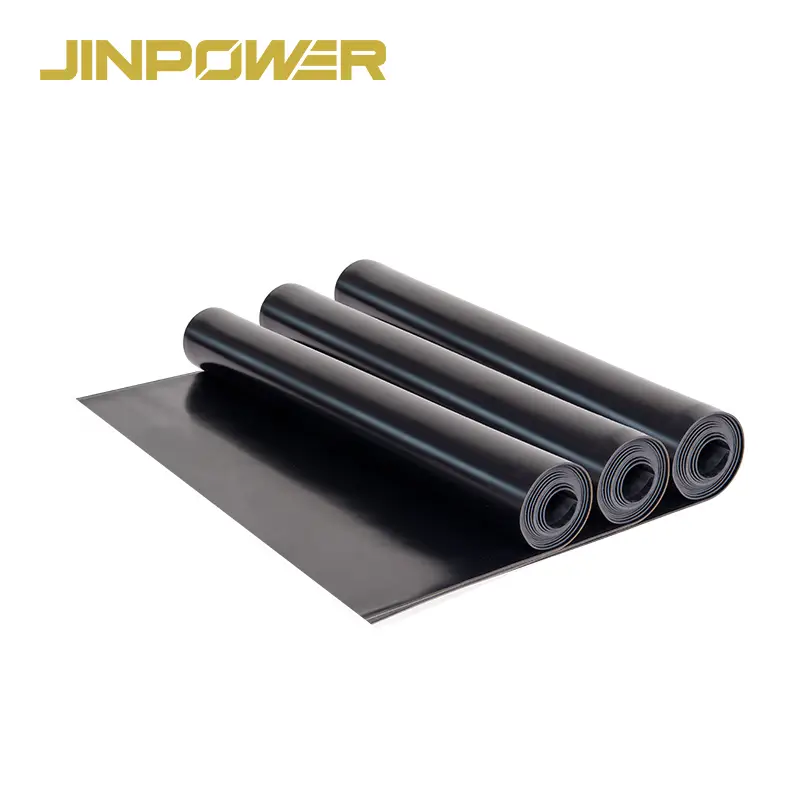
Why Insulating Mats Are Critical in High-Voltage (33 kV/50 kV) Environments


Working around high-voltage equipment often feels like everything is already insulated: heavy switchgear, bus-bars, transformer housings. Yet despite all that, insulated flooring — specifically insulating mats — remains a vital safety component. For project engineers, procurement teams and maintenance managers in Central Asia, South America, Africa and Middle East markets, understanding why insulating mats still matter at 33 kV/50 kV is key to specification, safety compliance and operational reliability.
Understanding the Risk Landscape in High-Voltage Workspaces
Exposure Scenarios
In a 33 kV or 50 kV installation you will see operators, maintenance staff or testers moving along access walkways, standing in front of panels, working on live or semi-live gear. These are zones where personnel is part of the electrical circuit if things go wrong.
Key Hazards
- Leakage currents: Even though primary insulation is present, small currents may still travel via unintended paths, including through the body when standing on conductive flooring.
- Step potential / contact potential: On the floor near high-voltage equipment, the earth potential may shift. If an operator bridges a difference (foot to foot, or foot to equipment), there is risk.
- Ground faults: When equipment becomes faulty and grounding paths change, the floor becomes part of that fault path unless insulated.
- Tracking / flash-over: In severe cases, insulation failure or contamination may lead to arcs. The insulating mat acts as part of the layered defence.
Why Floor Insulation Still Matters
Even in a well-insulated high-voltage system, the floor is the last link between the worker and earth. An insulating mat ensures that the worker isn’t standing on a path to ground that bypasses protective systems.
Industry guidelines show that selecting mat class by working voltage is necessary.
What Insulating Mats Actually Do in HV Contexts
Dielectric barrier
An insulating mat creates a barrier between the operator (or equipment wheels) and the earth/ground plane. In high-voltage zones this barrier is critical.
Mitigation of current paths
If an operator touches energized equipment while standing on the ground, current may flow through his/her body to earth. A certified insulating mat interrupts that path.
Defined safe-zone flooring
In HV areas the equipment may be insulated, but the floor may still accumulate stray potentials. The insulating mat defines a safe standing area and ensures foot contact remains non-conductive.
Integration with other PPE & systems
Matting does not replace gloves, boots, insulation gloves, earthing rods. It complements them. For example: operator stands on a Class-rated mat, wears insulating boots, uses appropriate tools, and the system then has layered protection.
Standards, Classes & Selection Criteria for HV Matting
Reference Standards
The standard IEC 61111 covers rubber insulating matting for electrical purposes, specifying classes from 0 up to 4.
For example many mats are offered to suit working AC voltages up to 36 kV (Class 4).
Class Definitions (Typical)
| Class | Max working AC voltage* | Typical application |
|---|---|---|
| Class 3 | ~26.5 kV | Medium-voltage switchgear |
| Class 4 | ~36 kV (some up to 50 kV) | High‐voltage installations |
| *These are approximate; always refer to manufacturer spec. |
Selection Parameters
- Material and thickness: Need sufficient dielectric strength, proof test voltage.
- Mechanical durability: In HV zones, mats may face heavy traffic, wheels, tools, oil, heat.
- Slip resistance: While insulation is primary, anti-slip remains important in HV area where workers are using tools.
- Coverage and width: Ensure full standing zone is covered; partial coverage weakens the safety assumption.
Why for 33 kV/50 kV You Cannot Skimp
If you use a mat rated for lower voltage (e.g., Class 0/1) in a 33 kV environment you reduce the margin of safety drastically. In high-voltage zones you need mats that are certified and tested for that environment. As noted: “[Choose the next immediate class mat if the system voltage is above the given value of the Class].”
Practical Application Zones in HV Installations
Indoor High-Voltage Switch-Rooms
Areas housing 33 kV busbars, 50 kV panels: install mats in front of panels, control desks, walkways.
Outdoor/Indoor Substation Platforms
Maintenance aisles, transformer yards: mats may need to resist UV, oil, dust, temperature extremes.
Temporary Work / Testing Zones
When live testing is happening, floor insulation mats create a portable safe zone.
Case Example: Harsh Environments
In Middle-East or African installations with high ambient temperature, dust and oil contamination, the mat used must handle those stresses in addition to voltage. Using a high-quality HV mat ensures longevity and reliability.
Benefits of Using High-Quality Insulating Mats (such as Dielectric Rubber Mat 30 000 V) in HV Environments
- Enhanced personnel safety: Reduced risk of shock or step potential accidents even if equipment insulation fails.
- Compliance & risk mitigation: Having mats rated for your voltage class strengthens safety documentation, assists audits and insurance.
- Durability in harsh conditions: A mat made for high voltage is typically also more robust mechanically, reducing lifecycle cost.
- Project confidence: For clients in Central Asia, South America, Africa — offering a certified HV mat shows you are serious about safety and quality.
- Simplified specification: Selecting a mat rated for HV means less doubt and fewer “what ifs” when project conditions change.
Common Mistakes and How to Avoid Them
- Mistake 1: Assuming equipment ground/insulation means floor insulation is unnecessary. Reality: The floor still can become conductive path.
- Mistake 2: Using mats rated for lower voltage (Class 0/1) in a 33 kV zone. Choosing improper class reduces safety margin.
- Mistake 3: Poor maintenance or ignoring floor mat condition. Even a high-rated mat fails if torn, cut, contaminated, or degraded.
- Mistake 4: Inadequate coverage – only placing mat in one spot rather than defining full standing zone.
Avoidance checklist: - Confirm system voltage and pick correct class.
- Check mat condition periodically.
- Ensure full coverage of the standing area.
- Factor environment (oil/water, wheel traffic, temperature) into mat spec.
Integration Into Procurement & Project Specification
Specifying in Tender Documents
Include requirements such as: “Matting compliant with IEC 61111:2009 Class 4 (36 kV AC / 54 kV DC) or equivalent, thickness minimum 12 mm, anti-slip surface, oil/acid/UV resistant.”
Installation & Inspection Checklist
- Floor must be clean and level.
- Mat length/width covers full zone in front of equipment.
- Edges secured to avoid curling.
- Regular inspection intervals (e.g., quarterly) with log of condition.
Training & Awareness
Operators and maintenance teams must know that the floor mat is part of their protective environment — not just a “nice add-on”.
Local Markets Consideration
In Central Asia, South America, Africa: account for logistics, climate (heat, humidity, dust), local electrical codes, and whether site uses 33 kV or 50 kV systems.
FAQ
Q1: Can insulating mats really make a difference at 33 kV or 50 kV?
A: Yes — even though equipment insulation is critical, mats provide the operator’s final barrier to ground. Without it, standing on conductive floor or contaminated floor could create a hazard.
Q2: If the equipment is already well insulated and grounded, do I still need floor mats?
A: Yes — because unforeseen faults, leakage or maintenance manipulations can change the ground path. The mat adds redundancy.
Q3: How often should the mats in high-voltage zones be tested or replaced?
A: It depends on conditions, but regular inspections (monthly or quarterly) plus replacement when wear/tears occur is advisable. The standard also demands ageing and oil resistance tests.
Q4: What thickness or class should I choose for a 50 kV installation?
A: You should select a mat rated for a higher class than your working voltage. For example Class 4 (≈36 kV AC / 54 kV DC) in IEC is a typical high-voltage class.
Q5: Are there special cleaning or maintenance requirements for mats in oil/heat exposed environments?
A: Yes — choose mat materials with oil, acid, UV resistance; ensure the surface is kept free of conductive contamination, and inspect for surface damage or deformation.
Summary
In high-voltage installations (33 kV, 50 kV and above), insulating mats are not optional extras, they are critical safety components. They protect personnel standing and working in front of live or semi-live equipment, define safe floor zones, and complement other insulation systems. For your next project in Central Asia, South America, Africa or Middle East, make sure your floor mat specification matches the voltage class, environment and usage conditions.