
What Is the Purpose of a Safety Barrier?
A safety barrier is used to separate people, vehicles, equipment, or work areas from potential hazards. Its main purpose is simple: reduce exposure to risk by creating a clear boundary.
In industrial sites, electrical rooms, warehouses, construction zones, maintenance areas, and temporary work zones, a safety barrier helps people understand where they can go, where they should not enter, and how a restricted area should be controlled.
A good safety barrier does more than mark a line. It can guide movement, restrict access, improve visibility, support site discipline, and reduce the chance of unintended entry.
Quick Answer: What Does a Safety Barrier Do?
A safety barrier has three main purposes:
| Purpose | What It Means |
|---|---|
| Separate | Keep people, vehicles, or equipment away from hazardous areas |
| Signal | Make restricted areas, safe routes, or danger zones easier to recognize |
| Control | Support access management, temporary closure, and safer site movement |
In simple terms, a safety barrier helps turn a hazardous area into a controlled area.


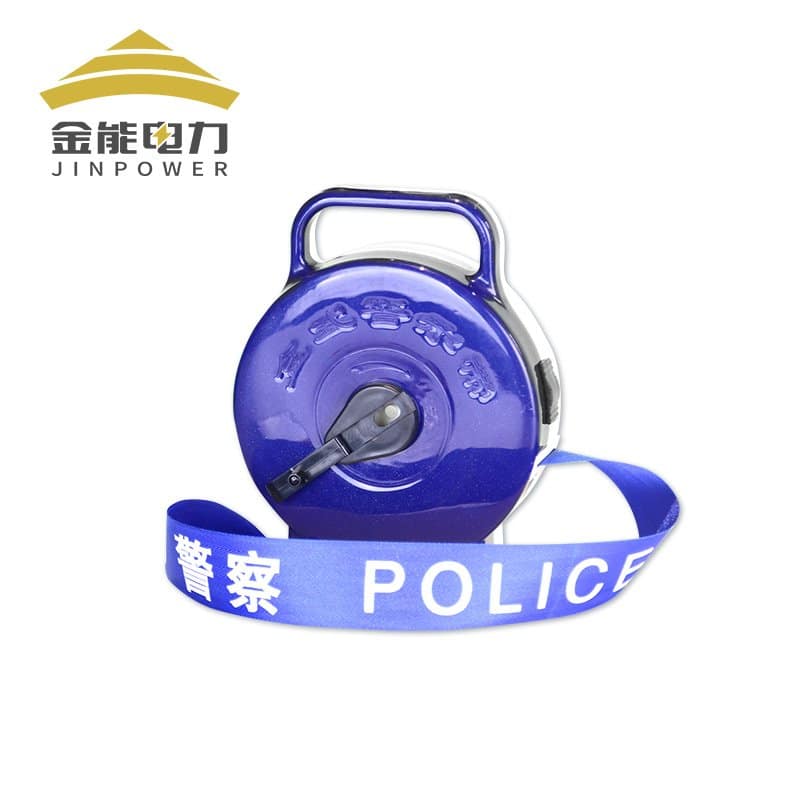


The Main Purpose of a Safety Barrier
The main purpose of a safety barrier is to control exposure. Many site incidents happen because people enter an unsafe area by mistake, vehicles move into the wrong route, or workers cannot clearly see where the restricted zone begins.
A barrier helps solve this problem by making the boundary visible and consistent.
It can be used to:
- Mark temporary maintenance areas
- Restrict access to electrical rooms or work zones
- Separate pedestrians from equipment movement
- Guide traffic or personnel flow
- Close unsafe aisles, doors, or routes
- Warn people before they enter a risk area
- Support routine work-zone management
The right barrier should match the real risk. A light warning tape may be enough for visual marking. A retractable barrier may be better for repeated temporary closure. A rigid barrier may be needed when stronger physical separation is required.
Safety Barrier Purpose by Use Scenario
Different worksites use safety barriers for different reasons. The goal is always site control, but the required barrier type changes by application.
| Use Scenario | Main Purpose | Suitable Barrier Type |
|---|---|---|
| Electrical maintenance area | Restrict entry and mark work boundaries | Magnetic retractable barrier, warning tape, safety sign |
| Warehouse aisle | Guide movement and control temporary closure | Retractable safety barrier, portable barricade |
| Factory maintenance zone | Separate workers from equipment or repair areas | Warning tape, retractable barrier, marker post |
| Construction area | Mark restricted zones and temporary hazards | Warning tape, portable fence, rigid barrier |
| Utility or outdoor site | Create visible routes and boundary marking | FRP marker post, warning sign, barrier tape |
| Public or service area | Control pedestrian access | Retractable barrier reel or expanding barricade |
| High-risk vehicle route | Provide stronger physical separation | Rigid barrier or engineered protection system |
Types of Safety Barriers and When to Use Them
Not all safety barriers perform the same function. Before choosing a product, first decide whether you need visual warning, access control, or physical separation.
Warning Tape
Warning tape is used for fast and temporary area marking. It is suitable for maintenance zones, temporary hazards, construction areas, outdoor utility work, and short-term restricted areas.
Warning tape is easy to carry, install, remove, and replace. It works well when the main purpose is to make a boundary visible.
However, warning tape is mainly a visual barrier. It does not provide physical stopping ability.
Retractable Safety Barrier
A retractable safety barrier is suitable for areas that need repeated opening and closing. It is commonly used in warehouses, electrical rooms, service areas, maintenance zones, aisles, and restricted access points.
Compared with disposable tape, a retractable barrier looks cleaner, can be reused, and helps maintain a more organized worksite.
Magnetic Retractable Safety Barrier
A magnetic retractable safety barrier is useful when the barrier needs to attach quickly to metal surfaces, such as electrical cabinets, switchgear, machinery, metal doors, or equipment frames.
It is practical for electrical maintenance areas where workers need fast temporary isolation without drilling or fixed installation.
FRP Marker Post
FRP marker posts are used for outdoor marking, route indication, utility site boundaries, and facility access control. They provide durable visual guidance in outdoor areas where long-term visibility is needed.
They are mainly used for marking and guidance, not impact protection.
Rigid Barrier
Rigid barriers are used when stronger physical separation is needed. They are suitable for higher-risk areas, vehicle routes, fixed boundaries, and long-term restricted zones.
If the hazard involves vehicle impact, moving equipment, or serious intrusion risk, tape or light barriers are usually not enough.
Visual Barrier vs Physical Barrier: What Is the Difference?
This is one of the most important points when choosing a safety barrier.
A visual barrier tells people where not to go.
A physical barrier helps stop or restrict movement more strongly.
| Barrier Type | Main Purpose | Suitable Use | Limitation |
|---|---|---|---|
| Warning tape | Visual warning and temporary boundary marking | Short-term restricted areas, maintenance zones, low-impact risks | Does not physically stop people or vehicles |
| Retractable barrier | Controlled access and repeatable temporary closure | Electrical rooms, aisles, service areas, temporary work zones | Limited physical stopping ability |
| Magnetic retractable barrier | Quick attachment to metal surfaces | Electrical cabinets, panels, machinery, maintenance areas | Depends on mounting surface |
| FRP marker post | Outdoor boundary marking and route indication | Utility sites, outdoor facilities, access routes | Mainly visual and guiding function |
| Rigid barrier | Physical separation and stronger access control | Higher-risk zones, vehicle routes, long-term boundaries | Requires stronger installation and site planning |
The key rule is simple: do not confuse visibility with protection. If you need to stop impact or prevent vehicle intrusion, choose a stronger physical barrier system.
Why Safety Barriers Matter in Worksite Management
A safety barrier helps make site rules visible. This is important because work areas often change during maintenance, repair, installation, inspection, or emergency response.
Without a clear barrier, workers and visitors may rely on verbal instructions. That creates inconsistency. One shift may understand the restricted area, while another shift may not.
A barrier improves site discipline by giving everyone the same visual instruction.
It helps answer these questions:
- Where is the restricted area?
- Which route is safe?
- Where should people stop?
- Which area is under maintenance?
- Which door, aisle, cabinet, or machine is temporarily closed?
- What area requires authorization before entry?
When the boundary is easy to see, site behavior becomes easier to control.
Safety Barrier Selection Checklist
Before choosing a safety barrier, check the real application first. The best option depends on the risk type, use duration, environment, mounting method, and visibility requirement.
| Selection Point | What to Check | Recommended Barrier Type |
|---|---|---|
| Hazard type | Is it entry control, electrical maintenance, vehicle movement, fall risk, or crowd control? | Match barrier strength to risk |
| Protection level | Do you need visual warning or physical stopping ability? | Tape, retractable barrier, rigid barrier |
| Use duration | Is the boundary needed for hours, days, or long-term use? | Disposable tape, retractable reel, fixed barrier |
| Environment | Indoor, outdoor, dusty, wet, windy, or high-traffic area? | Outdoor marker post, warning tape, heavy-duty barrier |
| Mounting method | Does it need to attach to a wall, post, machine, cabinet, or metal surface? | Magnetic barrier, wall-mounted reel, portable barrier |
| Mobility | Does the barrier need to move between work areas? | Retractable safety barrier or portable barricade |
| Visibility | Do you need strong color, warning text, reflective parts, or signs? | Warning tape, safety sign, marker post |
| Reuse | Will it be reused across shifts or projects? | Retractable barrier reel or portable system |
Common Mistakes When Choosing Safety Barriers
Many barrier problems come from choosing the wrong control level. A barrier should match the risk, not just the budget.
| Common Mistake | Why It Is a Problem | Better Approach |
|---|---|---|
| Using warning tape for impact risk | Tape cannot stop people, vehicles, or equipment | Use rigid or stronger physical protection |
| Choosing only by color | Color alone does not define barrier function | Check use scenario, strength, visibility, and installation method |
| Ignoring mounting conditions | The barrier may not stay in place | Confirm wall, post, floor, or magnetic mounting |
| Using disposable tape for daily closure | Tape may sag, tear, or lose discipline over time | Use retractable or reusable barriers |
| Missing warning text or signs | People may see the barrier but not understand the rule | Add clear signs, labels, or printed warning text |
| Using indoor products outdoors | Weather may reduce visibility or durability | Choose outdoor-suitable materials |
JINPOWER Safety Barrier Products for Site Control
JINPOWER supplies safety barrier and site control products for temporary work zones, electrical maintenance areas, warehouses, industrial facilities, outdoor utility sites, and restricted access areas.
| Product Type | Suitable Scenario | Main Function |
|---|---|---|
| Retractable Safety Barrier Reel | Temporary work zones, electrical rooms, access control areas | Reusable boundary control and clear entry restriction |
| Magnetic Retractable Safety Barrier | Switchgear, metal cabinets, electrical maintenance areas | Fast attachment and quick temporary isolation |
| Disposable Warning Tape | Temporary hazard marking, construction areas, maintenance zones | Low-cost visual warning and short-term perimeter marking |
| FRP Marker Post | Outdoor sites, utility routes, facility boundaries | Durable visual marking and route indication |
| Mark Sign Sticker | Panels, doors, cabinets, equipment, restricted areas | Clear warning message and safety instruction |
These products can be used separately or combined according to the worksite layout. For example, a maintenance area may use warning tape for perimeter marking, a magnetic retractable barrier for cabinet access control, and warning stickers for clear equipment identification.
Safety Barriers for Electrical Maintenance Areas
Electrical maintenance areas often require clear temporary boundaries. Workers may need to isolate a panel, close a switchroom entrance, restrict access to a cabinet, or mark a maintenance zone around equipment.
In these cases, the barrier should be easy to install, easy to remove, and clear enough for other workers to understand.
Common choices include:
- Magnetic retractable safety barriers
- Warning tapes
- Mark sign stickers
- Safety warning signs
- Portable barrier reels
For electrical maintenance, barriers should also be used together with proper site procedures, warning labels, PPE, lockout control, voltage verification, or other safety measures where required.
Safety Barriers for Warehouses and Factories
Warehouses and factories often use barriers to manage movement. Aisles, loading areas, machinery zones, inspection areas, and temporary repair locations can change during daily operation.
A retractable safety barrier is practical when the same area needs to open and close repeatedly. Warning tape may be suitable for short-term marking, while rigid barriers may be needed near vehicle routes or high-risk equipment movement.
The goal is to make movement predictable. Workers should know where to walk, where to stop, and which area is temporarily restricted.
Safety Barriers for Outdoor and Utility Sites
Outdoor sites need stronger visibility and durability. Wind, sunlight, rain, dust, and uneven ground can reduce the effectiveness of weak or poorly installed barriers.
For outdoor utility sites, FRP marker posts, warning tape, warning signs, and durable boundary markers can help improve route control and hazard identification.
When the site is exposed to traffic or moving equipment, stronger barrier systems should be selected according to the risk level.
Communication: Why Signs and Labels Matter
A barrier shows the boundary. A sign or label explains the rule.
For example, a barrier may show that an area is closed, but the warning message tells people why:
- Authorized Personnel Only
- Do Not Enter
- Maintenance in Progress
- Electrical Work Area
- Keep Out
- Danger High Voltage
- Temporary Restricted Area
Good barrier communication should be easy to understand at a glance. The color, wording, symbol, and position should work together.
For better site control, safety barriers can be combined with warning labels, floor markings, hanging signs, panel stickers, and printed warning tape.
What Information Should You Confirm Before Ordering?
Before requesting a quotation, prepare the basic project information. This helps the supplier recommend the right safety barrier type.
| RFQ Information | What to Provide |
|---|---|
| Application area | Electrical room, warehouse, construction site, outdoor facility, work zone |
| Main risk | Entry control, warning, vehicle movement, electrical maintenance, crowd control |
| Use duration | Temporary, repeated daily use, or long-term installation |
| Required length | Tape length, reel length, barrier width, or boundary coverage |
| Mounting method | Magnetic, wall-mounted, post-mounted, portable, fixed |
| Environment | Indoor, outdoor, wet, dusty, windy, high-traffic |
| Warning message | Standard text, custom text, symbol, color, or language |
| Quantity | Trial order, project order, batch order |
| Packaging | Individual packaging, carton packing, OEM packaging |
FAQ: Purpose of a Safety Barrier
What is the main purpose of a safety barrier?
The main purpose of a safety barrier is to separate people, vehicles, or equipment from hazards. It helps restrict access, guide movement, mark danger zones, and reduce unintended exposure to risk.
Is warning tape considered a safety barrier?
Yes. Warning tape is a type of visual safety barrier. It is useful for temporary area marking, but it does not provide physical impact protection.
When should I use a retractable safety barrier?
A retractable safety barrier is suitable when a work area needs repeated temporary closure. It is commonly used in electrical rooms, warehouses, aisles, service areas, and maintenance zones.
What is a magnetic retractable safety barrier used for?
A magnetic retractable safety barrier is used where quick attachment to metal surfaces is needed. It is suitable for switchgear, metal cabinets, electrical panels, machinery, and temporary maintenance isolation.
When is a rigid barrier needed?
A rigid barrier is needed when the risk involves vehicle movement, impact, intrusion, or stronger physical separation. Warning tape and light barriers are not enough for impact protection.
What information should I provide before requesting a safety barrier quotation?
You should provide the application area, risk type, indoor or outdoor use, required length, mounting method, warning text, color, quantity, and packaging requirements.
Can JINPOWER supply custom warning tape or barrier products?
Yes. JINPOWER can support custom warning text, color, length, housing style, magnetic base, labels, packaging, and project requirements.
Are safety barriers enough by themselves?
No. A safety barrier is one control layer. It should be used together with proper work procedures, signs, supervision, PPE, access control, and site safety requirements where needed.
Final Guidance
The purpose of a safety barrier is not only to block space. It is to make risk visible, separate people from hazards, guide movement, and support safer site control.
For temporary warning, use warning tape or signs.
For repeated access control, use retractable safety barriers.
For fast electrical maintenance isolation, use magnetic retractable barriers.
For outdoor marking, use FRP marker posts.
For higher-risk physical separation, choose rigid or engineered barriers.
The best choice depends on the hazard, use duration, environment, mounting method, visibility requirement, and level of protection needed.
Need Help Choosing a Safety Barrier for Your Site?
Tell us your application area, use duration, indoor or outdoor environment, required barrier length, mounting method, warning text, quantity, and packaging needs.
JINPOWER can help you choose a suitable warning tape, retractable safety barrier, magnetic barrier, marker post, or custom safety sign solution.
