
What Is Portable Earthing Equipment Used For?

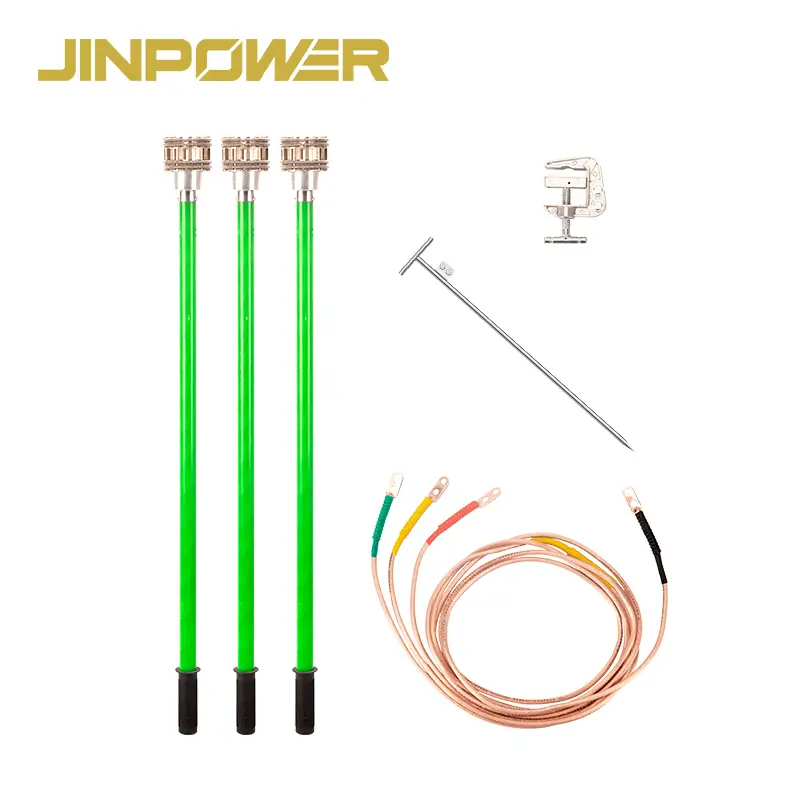


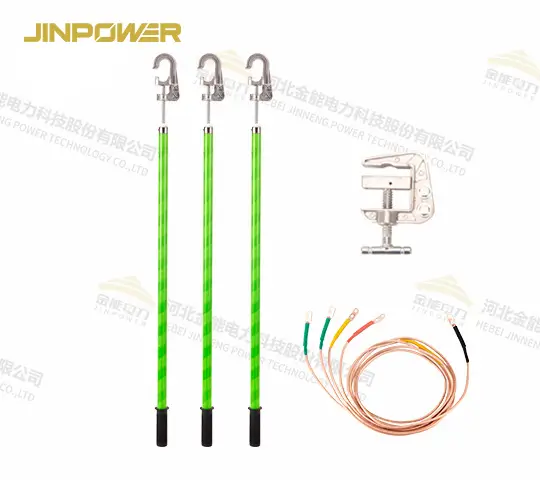
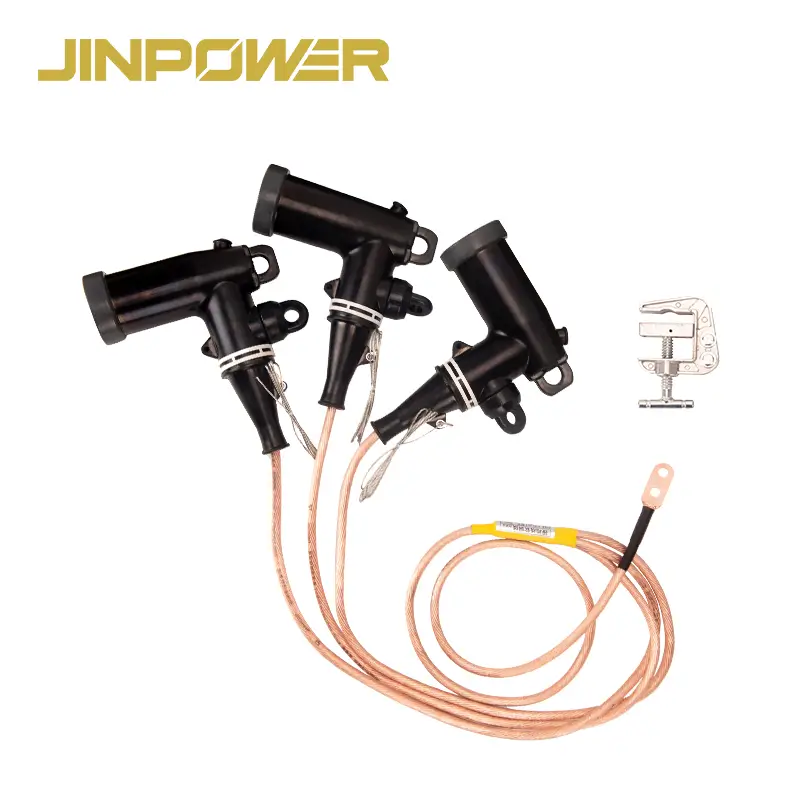


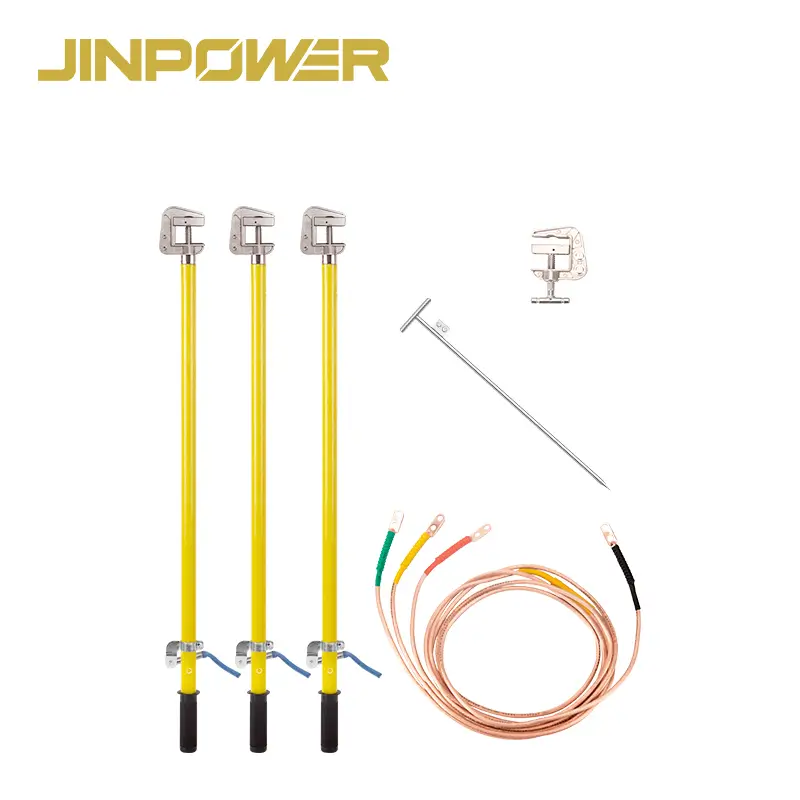
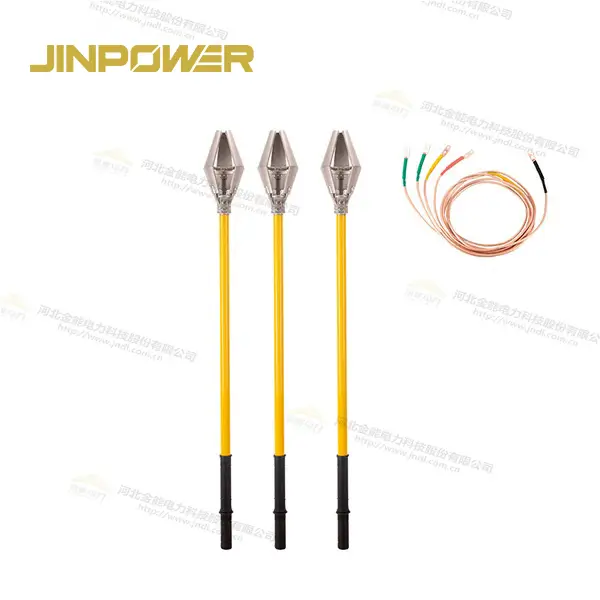

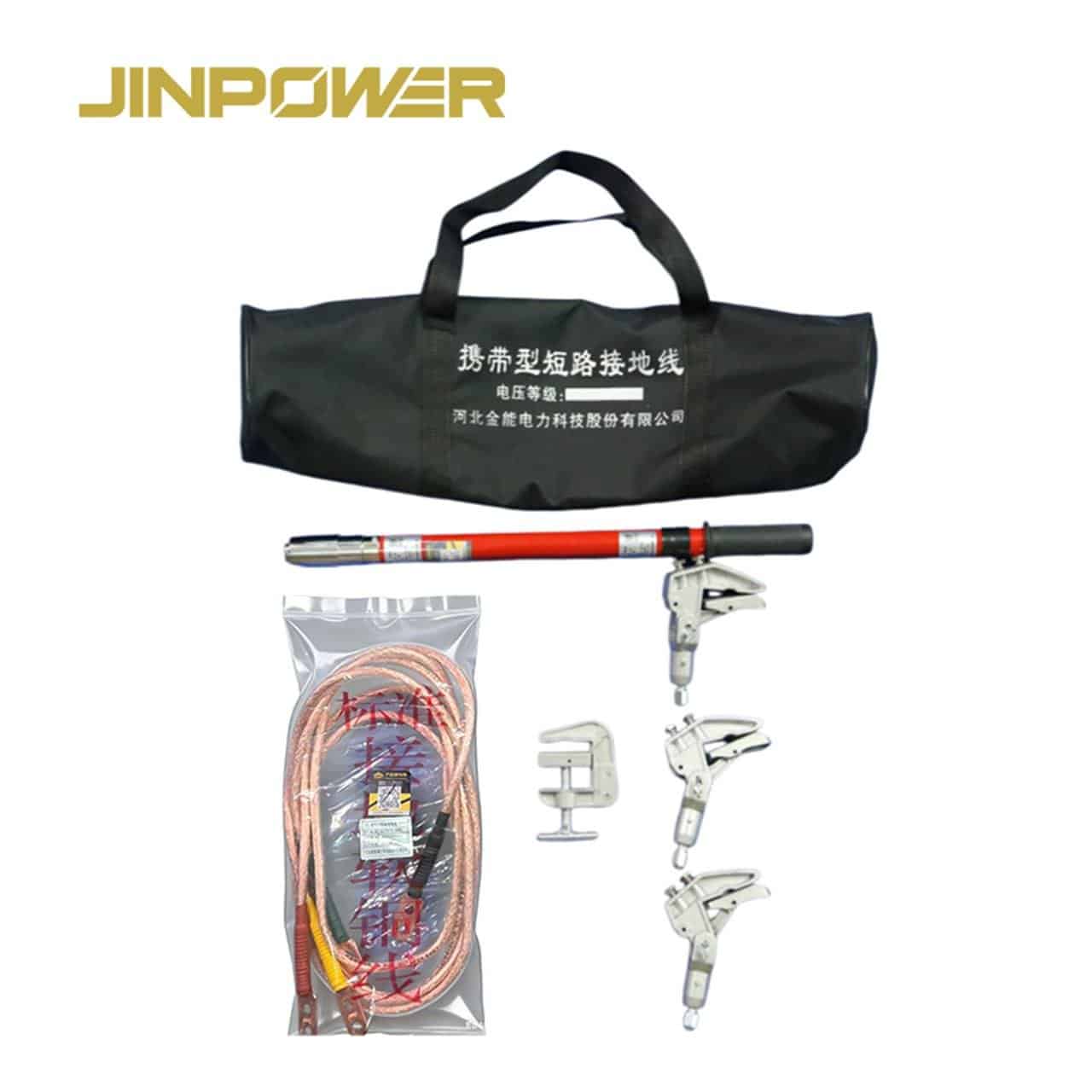
Portable earthing equipment is used during temporary work conditions to protect personnel when electrical systems are isolated but not inherently risk-free. Its value is not theoretical. It is defined by where it is applied, when it is required, and which work scenarios become unsafe without it.
The sections below focus on practical use cases, not definitions.
When Portable Earthing Equipment Is Mandatory on Power Worksites
Portable earthing equipment becomes mandatory whenever a worksite meets one or more of the following conditions:
- Electrical systems are isolated but not permanently grounded
- There is potential for accidental re-energization
- Parallel or adjacent live circuits exist
- Conductive parts may be touched during work
- Temporary work configurations replace normal system states
In these situations, relying solely on isolation or switching procedures is insufficient. Portable earthing establishes a controlled safety condition for the duration of the task.
Applications in Substations (HV / MV / LV)
Substations are one of the most critical environments for portable earthing equipment due to system complexity and fault consequences.
Typical substation use cases
- Switchgear maintenance and inspection
- Busbar work and sectional isolation
- Circuit breaker replacement
- Transformer bay servicing
Why earthing is essential in substations
- Multiple power sources and interconnections
- High fault levels with severe consequences
- Adjacent live compartments even during partial outages
Role of portable earthing
Portable earthing ensures the work zone remains at the same electrical potential and prevents personnel from becoming an unintended current path in the event of unexpected energization.
Applications on Overhead Transmission and Distribution Lines
Overhead line work is one of the most common and highest-risk applications for portable earthing equipment.
Typical use cases
- Line maintenance and inspection
- Conductor replacement
- Insulator and hardware installation
- Temporary line modifications
Key risks addressed
- Induced voltage from parallel energized lines
- Accidental backfeed from interconnected networks
- Environmental factors affecting system behavior
Why portable earthing is relied upon
Portable earthing controls induced voltages and ensures that any unexpected current follows a predefined path, not through the worker.
Applications in Underground Cable Maintenance
Underground cable work presents risks that are often underestimated because they are not visually apparent.
Typical use cases
- Cable jointing and termination
- Fault repair and sectional replacement
- Maintenance of cable accessories
Why earthing cannot be skipped
- Stored electrical energy within cable systems
- Capacitive effects that remain after isolation
- Limited visual indication of system state
Portable earthing provides assurance that residual or reintroduced energy does not create hazardous conditions during cable work.
Applications in Industrial Plants and Process Facilities
Industrial environments combine electrical systems with mechanical processes, increasing the importance of controlled earthing.
Common sectors
- Petrochemical and oil facilities
- Mining operations
- Steel and heavy manufacturing plants
- Large-scale production facilities
Typical scenarios
- Equipment shutdown maintenance
- Temporary isolation during upgrades
- Work on shared grounding networks
Portable earthing equipment is used to manage temporary electrical conditions created during maintenance or system modification.
Applications During Temporary Outages and Commissioning
Temporary outages and commissioning phases introduce uncertainty into system behavior.
Typical scenarios
- Planned outages with staged restoration
- Commissioning of new equipment
- System expansion or reconfiguration
Why portable earthing is critical
During these phases, system topology may change frequently. Portable earthing maintains consistent safety conditions while the electrical environment is in transition.
How Application Scenarios Influence Earthing Kit Selection
Application context directly affects what type of portable earthing equipment is required.
- Substation work emphasizes compatibility with fixed equipment
- Overhead line work prioritizes adaptability to varying conductor arrangements
- Industrial facilities require flexibility across different grounding architectures
- Outdoor environments demand durability and mechanical resilience
Selection is driven by where the equipment will be used, not by generic specifications.
Common Situations Where Portable Earthing Equipment Is Overlooked
Many electrical incidents occur not in extreme conditions, but in familiar ones.
- Short-duration tasks assumed to be low risk
- Work performed after isolation but before verification
- Reliance on personal protective equipment alone
- Assumptions that adjacent circuits pose no threat
Portable earthing is often omitted in exactly these situations, where the perceived risk is low but the actual exposure remains.
Quick Application Checklist (Use-Case Oriented)
Portable earthing equipment should be considered if any of the following apply:
- The system is isolated but not permanently grounded
- Nearby energized conductors exist
- Personnel will touch conductive components
- The work condition is temporary or transitional
If the answer is yes to any of these, portable earthing is a necessary safety measure.
FAQ
When is portable earthing equipment required?
It is required whenever isolated systems still present potential electrical hazards during temporary work.
Where is portable earthing most commonly used?
Substations, overhead lines, underground cables, industrial plants, and temporary outage environments.
Is portable earthing necessary for short-duration work?
Yes. Risk is determined by system conditions, not by task duration.
Do industrial facilities need portable earthing kits?
Yes. Temporary electrical states during maintenance or upgrades require controlled earthing.
Conclusion
Portable earthing equipment is not defined by what it is, but by where and when it is used. Across substations, overhead lines, underground cables, industrial facilities, and temporary outage conditions, it provides a controlled safety environment when normal system protections are temporarily unavailable.
Understanding these application scenarios allows safety managers, engineers, and operators to recognize when portable earthing is not optional, but essential.
