
What Is Barrier Tape Used For?


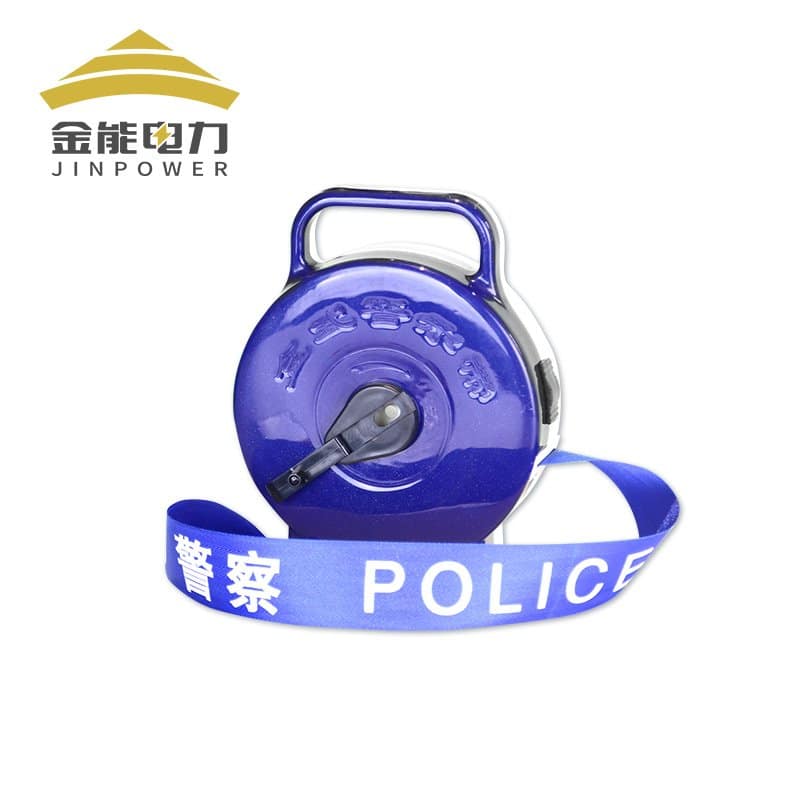


Barrier tape is used to visually define risk, restrict access, and guide movement in situations where conditions are temporary, changing, or not yet suitable for permanent physical barriers. Its value lies in speed, clarity, and flexibility—making hazards and boundaries immediately visible without interrupting operations.
The sections below focus on where barrier tape is used and why it is chosen in real working environments.
Why Barrier Tape Is Used Instead of Physical Barriers
Barrier tape is preferred when conditions require rapid deployment and frequent adjustment. Unlike rigid fencing or fixed barriers, tape can be installed, relocated, and removed in minutes. This makes it suitable for short-duration tasks, evolving work zones, and areas where permanent obstruction would be impractical or disruptive.
In most cases, barrier tape serves as a visual control layer—supporting, not replacing, engineering or administrative safety measures.
Barrier Tape Uses in Workplace Safety
Temporary Hazard Identification on Job Sites
Barrier tape is widely used to mark temporary hazards such as wet floors, uneven surfaces, exposed openings, or overhead work. It provides immediate visual cues that alert workers and visitors before they enter a risk area.
This application is especially common in factories, warehouses, and commercial facilities where hazards may appear and disappear throughout the workday.
Isolation of Unsafe Equipment or Areas
When equipment is out of service, under inspection, or awaiting repair, barrier tape is used to clearly indicate that access is restricted. This prevents unintentional use and reinforces lockout, tagging, or maintenance procedures.
Barrier tape helps ensure that unsafe areas remain visibly isolated even when supervisors are not present.
Maintenance and Repair Zone Marking
During routine maintenance, barrier tape defines temporary work boundaries around active tasks. This keeps non-involved personnel at a safe distance and helps organize traffic flow around ongoing repairs.
Barrier Tape Uses in Construction and Industrial Environments
Restricted Access During Active Construction
Construction sites frequently rely on barrier tape to mark restricted or partially accessible zones, especially during short phases of work such as material lifting, surface cutting, or equipment movement.
It allows teams to control access without installing permanent fencing for brief activities.
Machine Downtime and Lockout-Related Zones
In industrial settings, barrier tape is often used to support lockout and maintenance areas, visually separating machinery under service from operational zones.
While barrier tape alone is not a lockout device, it reinforces awareness and reduces the chance of accidental entry.
Material Storage and Loading Area Marking
Barrier tape is used to outline temporary storage areas, loading zones, or material staging points, helping maintain order and prevent unauthorized access in busy industrial environments.
Barrier Tape Uses in Electrical and Utility Worksites
Electrical Hazard and High-Risk Area Identification
Barrier tape is commonly used to mark electrical hazard zones, particularly during inspection, testing, or maintenance activities. Its high visibility helps communicate risk even to non-specialists entering the area.
Temporary Zoning During Power Maintenance
During electrical maintenance or utility work, barrier tape defines temporary safety perimeters where normal access rules are suspended. This is especially important in substations, switch rooms, and utility corridors.
Visual Separation Around Live or Adjacent Equipment
In environments where de-energized and live equipment may be located close together, barrier tape helps establish clear visual separation, reducing the likelihood of accidental approach.
Barrier Tape Uses in Public and Commercial Spaces
Crowd Guidance and Access Control
In public facilities such as airports, malls, and stations, barrier tape is used to redirect pedestrian flow, block off areas under cleaning or repair, and guide people toward safe routes.
Temporary Closures in Retail and Facilities
Retailers and facility managers use barrier tape to signal temporary closures of aisles, entrances, or amenities without installing rigid barriers that interfere with daily operations.
Event Setup and Breakdown Zones
During events, barrier tape marks setup, teardown, and restricted backstage areas, helping manage access during high-traffic periods.
Barrier Tape Uses in Emergency and Incident Response
Accident and Incident Scene Isolation
Emergency responders frequently use barrier tape to quickly isolate incident scenes, protecting the public while investigations or cleanup are underway.
First-Response Safety Perimeters
Barrier tape allows responders to establish immediate safety boundaries around hazards such as spills, damaged infrastructure, or unstable structures before more permanent controls are deployed.
Temporary Risk Communication in Dynamic Situations
In fast-changing situations, barrier tape communicates risk visually and universally, without reliance on language or prior instruction.
Barrier Tape Uses for Visual Warning and Communication
Color-Coded Hazard Communication
Different colors and patterns of barrier tape are used to convey specific warning messages, enabling quick recognition of danger levels or access restrictions.
Quick, Language-Independent Safety Messaging
Barrier tape works across multilingual environments by relying on visual recognition rather than text, making it effective in diverse workplaces and public spaces.
Situations Where Barrier Tape Should Not Be Used Alone
Barrier tape is not designed to physically stop movement or restrain access. In high-risk situations—such as fall hazards, traffic exposure, or severe electrical danger—it must be used in combination with physical barriers, controls, or procedures, not as a standalone solution.
How Barrier Tape Supports, Not Replaces, Physical Safety Measures
Barrier tape enhances safety by improving visibility and awareness. It supports existing safety systems by making boundaries obvious, but it does not replace engineered controls, guarding, or authorized access procedures.
Common Misunderstandings About Barrier Tape Usage
- Barrier tape is not a physical barrier
- Barrier tape does not eliminate the underlying hazard
- Barrier tape effectiveness depends on proper placement and visibility
Understanding these limits ensures barrier tape is used appropriately and effectively.
FAQ: Barrier Tape Applications
What is barrier tape mainly used for?
It is mainly used to visually mark hazards, restrict access, and guide movement in temporary or changing conditions.
Is barrier tape considered a safety barrier?
No. It is a visual warning tool that supports safety measures but does not provide physical protection.
Where is barrier tape most commonly applied?
Workplaces, construction sites, utilities, public facilities, and emergency response areas.
Conclusion: When and Why Barrier Tape Is the Right Tool
Barrier tape is used wherever temporary, visible control is needed to communicate risk and manage access. Its strength lies in speed, adaptability, and clarity. When applied correctly—and alongside appropriate safety measures—it plays a critical role in maintaining order and awareness across industrial, commercial, and public environments.
