
What Is a Switch Stick and How Does It Ensure High Voltage Safety?
When performing maintenance or switching tasks in high-voltage environments, direct contact with energized components is not an option. That’s where the switch stick—also known as an electrical switch stick or insulated hot stick—becomes indispensable. As a core safety tool for live-line operations, it allows your crew to operate switches, remove fuses, and perform essential substation work from a safe distance, minimizing the risk of electric shock or arc flash incidents. Whether you’re a utility company, a transmission contractor, or a plant maintenance supervisor, understanding how switch sticks protect your workforce and ensure compliance is critical to operational safety.
What Is a Switch Stick?
A switch stick, also referred to as an electrical switch stick or hot stick, is a specialized insulated tool designed for safely operating electrical equipment in high-voltage environments. Made from high-dielectric fiberglass or composite materials, the stick enables operators to perform switching tasks—such as opening or closing disconnect switches, removing fuses, or installing grounding clamps—without making direct contact with energized components.
In your daily operations, the switch stick serves as a physical extension of the operator, maintaining a safe working distance and drastically reducing the risk of arc flash, electric shock, or unintentional grounding. It is a standard safety tool used in live-line maintenance, substation servicing, and overhead distribution line work.
Depending on your application, switch sticks come in various lengths, voltage ratings, and configurations—ranging from telescopic designs for compact transport, to universal head fittings that support interchangeable accessories. These tools are not only essential for field safety compliance but also form a foundational part of your high-voltage operating procedures.


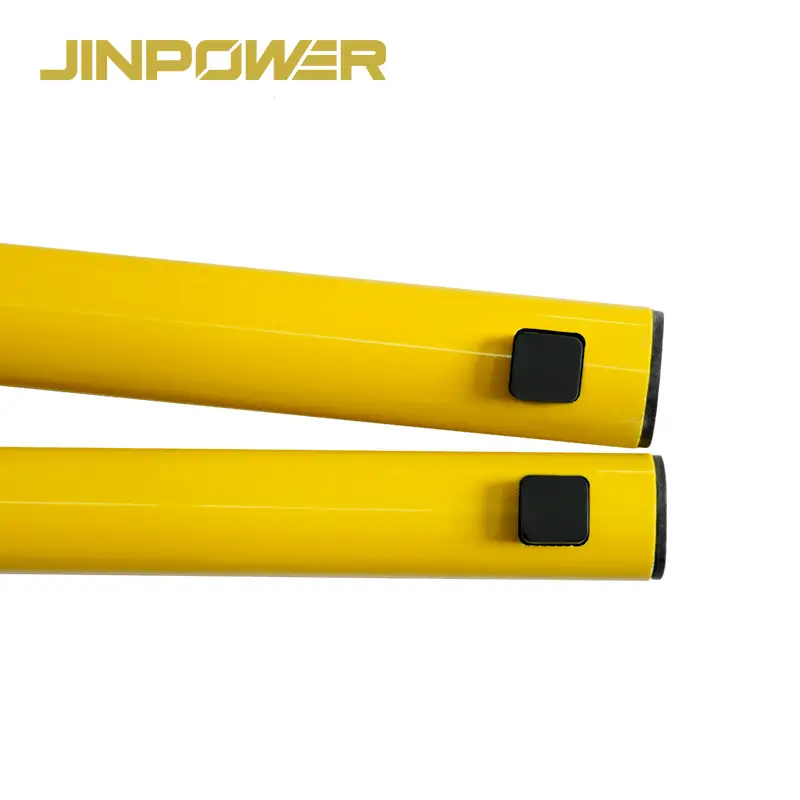


Key Features and Types of Switch Sticks
When selecting the right switch stick for your electrical operations, understanding its key features and available configurations is crucial. These tools are not one-size-fits-all; their effectiveness depends on the specific voltage level, application method, and working environment.
Core Features to Consider:
- High-Density Insulation: Most switch sticks are constructed with epoxy-glass or high-dielectric fiberglass, ensuring protection against electrical conduction up to 500kV or higher.
- Non-Conductive Surface Finish: The outer coating is resistant to moisture, UV exposure, and chemical corrosion—vital for outdoor or humid environments.
- Universal Tool Head: Many models come with universal fittings that allow you to attach various accessories such as fuse pullers, voltage detectors, or clamp sticks.
- Lightweight and Balanced: Proper weight distribution and ergonomic grips enhance handling during extended field work.
Common Types of Switch Sticks:
- Hook Stick (Disconnect Stick): Ideal for manual operation of overhead switches or disconnect blades.
- Shotgun Stick: Features a mechanical clamp for securely attaching to and operating equipment; commonly used for fuse replacement or grounding.
- Telescopic Switch Stick: Offers adjustable length, enabling compact storage and adaptable reach in confined spaces.
- Load Break Stick: Specifically designed to safely operate load break disconnects and elbow connectors in underground distribution systems.
Each type serves a unique role in your power system maintenance toolkit. Choosing the correct configuration ensures both operational efficiency and personnel safety during high-risk tasks.
Applications in Electrical Safety and Live-Line Work
In live-line operations and high-voltage environments, your crew is often exposed to potentially lethal energy. The switch stick becomes an indispensable component in your electrical safety protocol, enabling operators to carry out critical tasks without physical contact with energized parts.
Here are key field applications where switch sticks are routinely used:
- Switching Overhead Disconnects: Whether opening or closing switchgear, disconnect blades, or isolators, the switch stick allows safe remote operation from ground level or a bucket truck.
- Removing and Replacing Fuses: For fused cutouts on distribution poles, a shotgun stick or hook stick lets your technicians safely extract and install fuses during fault isolation or maintenance.
- Applying Grounding Equipment: After de-energizing a circuit, switch sticks are used to apply temporary grounding clamps, ensuring static discharge is safely redirected.
- Testing and Measuring Voltage: When fitted with a voltage detector attachment, the stick can be used to check if equipment is live before beginning work.
- Substation Inspections and Maintenance: In substations, switch sticks provide essential reach and insulation when working around busbars, circuit breakers, or capacitor banks.
These use cases span across transmission line maintenance, urban distribution systems, and industrial plant operations. By incorporating switch sticks into your workflow, you significantly reduce the risks associated with high-voltage exposure while maintaining compliance with safety regulations.
Why Switch Sticks Are Mandatory for Compliance and Safety
Operating in high-voltage environments comes with zero tolerance for safety lapses. Regulatory authorities across the globe—including OSHA, IEC, ANSI, and local utility standards—require the use of insulated switch sticks or hot sticks for any live-line work or operations near energized equipment.
Failing to use certified switch sticks can result in:
- Severe injury or fatality due to arc flash or direct contact
- Regulatory violations and fines from safety authorities
- Unplanned outages caused by unsafe switching practices
- Liability exposure for contractors and utility providers
By integrating switch sticks into your standard operating procedures, you demonstrate compliance with industry-recognized safety protocols while also reinforcing your organization’s commitment to worker protection. Most importantly, you empower your teams to perform essential electrical tasks—like switching, testing, and grounding—without compromising distance or insulation barriers.
Furthermore, many insurers and utility clients mandate the use of switch sticks as part of contractor qualification criteria. Therefore, equipping your workforce with tested and certified insulated tools is not just a recommendation—it’s a critical requirement for safe and legal operation in today’s power sector.
Inspection and Maintenance Tips for Switch Sticks
To ensure long-term performance and operator safety, regular inspection and maintenance of your switch sticks is essential. These tools are exposed to dust, moisture, UV radiation, and physical wear—all of which can compromise their insulating properties if left unchecked.
Here are key practices to keep your switch sticks compliant and functional:
- Daily Visual Checks: Before each use, inspect the entire surface for cracks, contamination, burn marks, or fiberglass fiber bloom. Even minor damage can lead to dielectric failure under load.
- Routine Dielectric Testing: Conduct standardized insulation resistance tests at recommended intervals—typically every 6 to 12 months—using certified testing equipment. Always record and archive test results for audit compliance.
- Approved Cleaning Methods: Use non-abrasive, non-conductive cleaning wipes or soaps specifically designed for hot stick maintenance. Avoid petroleum-based cleaners, which can degrade the outer coating.
- Safe Storage: Store sticks in UV-protected storage tubes or bags when not in use. Keep them dry, vertically supported, and away from corrosive substances or heat sources.
- Marking and Labeling: Ensure each switch stick is clearly marked with its voltage rating, test date, and manufacturer info for quick reference and inspection traceability.
By following these best practices, you not only extend the service life of your equipment but also maintain compliance with safety regulations. Regular maintenance ensures your team is always operating with tools that meet electrical insulation performance standards—no exceptions.
Choosing the Right Switch Stick for Your Power Operation
Selecting the correct switch stick isn’t just about tool preference—it directly impacts your team’s safety, job efficiency, and regulatory compliance. Whether you operate on overhead lines, in substations, or underground distribution networks, choosing the right specifications ensures your tools match the risk and task at hand.
Key Considerations When Selecting a Switch Stick:
- Voltage Rating: Always choose a stick rated above the maximum system voltage to ensure insulation safety margins. For example, a 220kV system typically requires a stick rated at 245kV or higher.
- Working Environment: For outdoor, high-humidity, or coastal regions, opt for UV- and moisture-resistant coatings. In confined indoor substations, telescopic designs may offer better maneuverability.
- Length and Reach: Evaluate your required clearance distance—both for arc flash boundaries and physical reach—before selecting a fixed-length or extendable version.
- Tool Compatibility: Universal head options allow your switch stick to support multiple attachments—ideal if your operations require fuse pullers, voltage detectors, or grounding clamps.
- Weight and Ergonomics: For crews working long shifts, lightweight sticks with balanced center-of-gravity and textured grips reduce fatigue and risk of handling errors.
If you are sourcing tools for specialized environments or large-scale utility operations, you may also benefit from OEM customization services. This includes adjustments in length, labeling, insulation grade, or even branding—ensuring your tools are built around your procedures, not the other way around.
The right switch stick is not just a purchase—it’s an investment in operational safety and long-term compliance.
Conclusion – A Small Tool with Critical Importance
In the realm of high-voltage operations, where every action carries significant risk, the switch stick stands as a frontline defense tool. Compact in form yet powerful in function, it enables your personnel to carry out essential live-line tasks—such as switching, grounding, and testing—while maintaining a critical barrier from energized components.
More than just a regulatory requirement, the switch stick is a tangible representation of your company’s commitment to safety, professionalism, and reliability. Whether you manage large-scale grid maintenance, oversee substations, or equip utility crews in remote areas, choosing certified, well-maintained switch sticks is a non-negotiable part of safe electrical operations.
Investing in the right switch sticks today means fewer outages, lower liability risk, and most importantly, lives protected tomorrow.
