
What Is a Discharge Rod?
A discharge rod, also known as a high-voltage discharge stick, is a specialized insulated tool used to safely discharge residual electrical energy from high-voltage equipment. This tool is essential for de-energizing components such as capacitor banks, circuit breakers, busbars, and test systems before maintenance or inspection begins.
Residual charges can remain in electrical systems even after power is switched off, posing a serious electrocution risk. The discharge rod provides a controlled path for releasing this energy to ground, ensuring that technicians can approach and work on the equipment safely. Its use is a standard part of electrical lockout-tagout (LOTO) procedures in substations, switchyards, industrial plants, and laboratories.
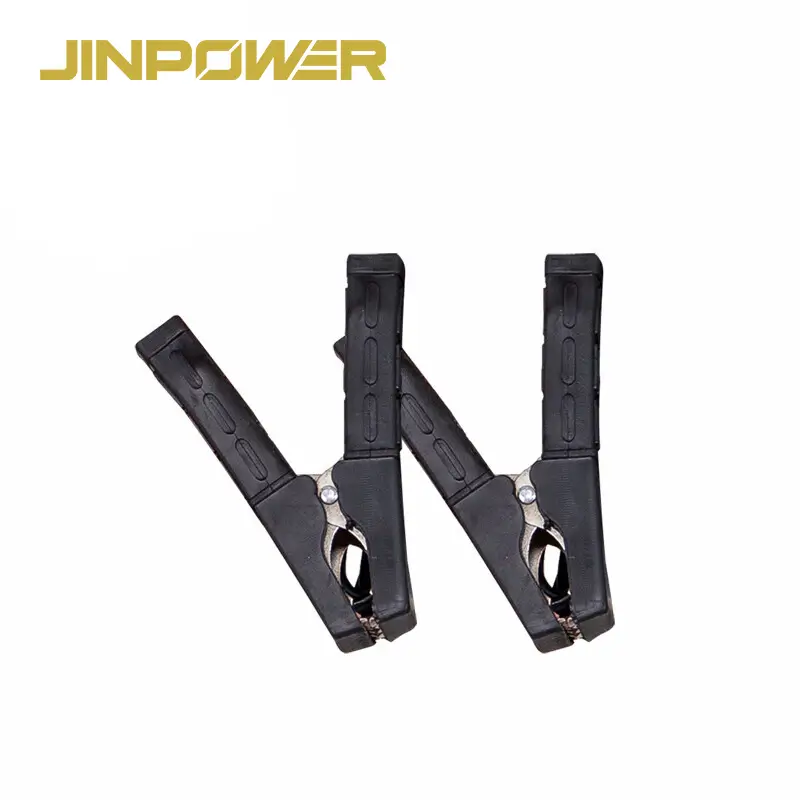
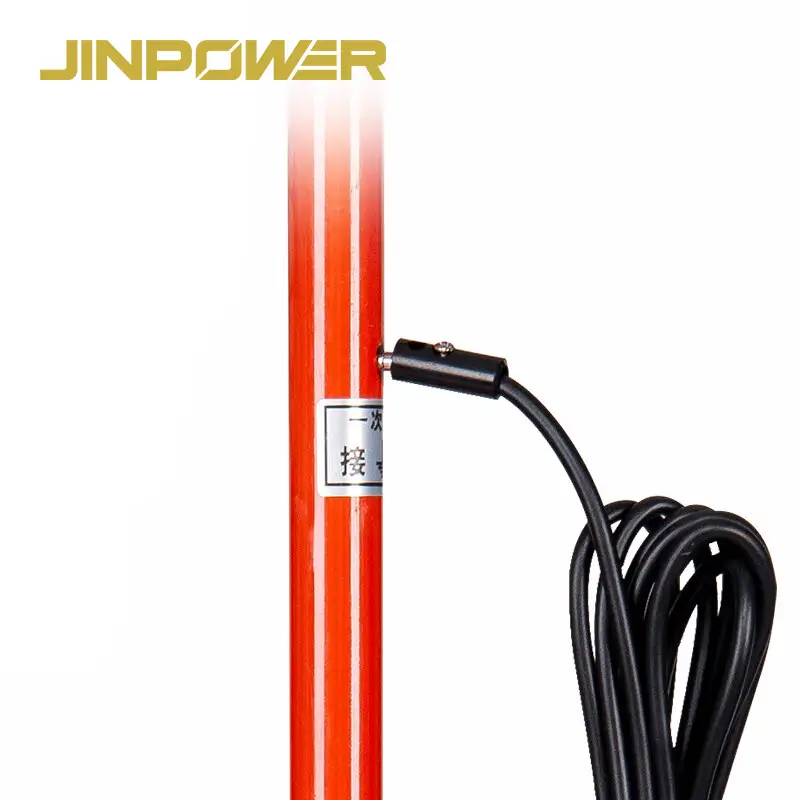
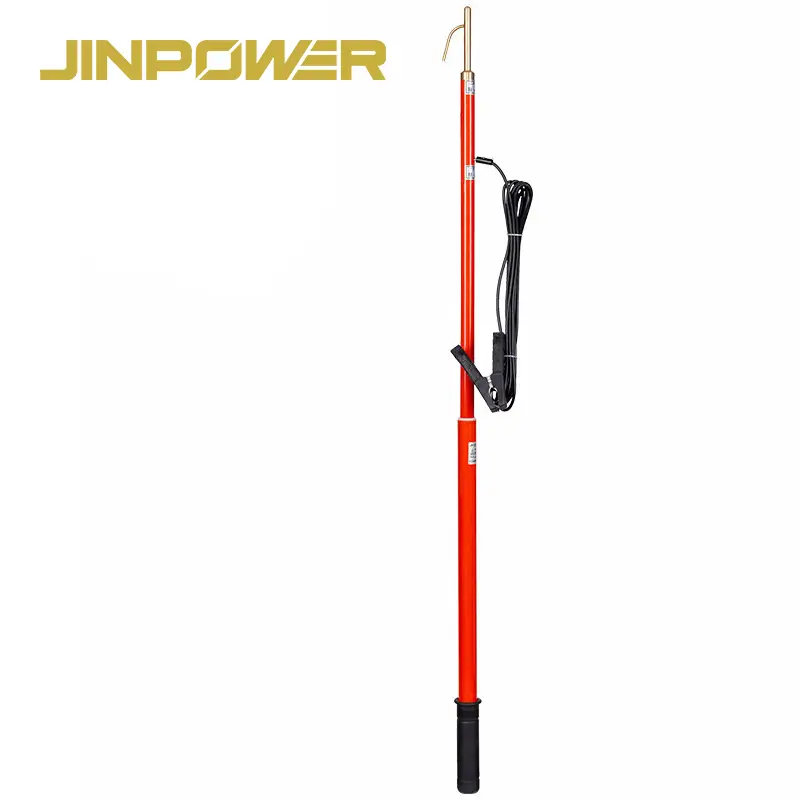
In most applications, the rod consists of an insulated shaft, a discharge resistor (to limit current), and a grounding cable with a secure earth clamp. Whether you’re preparing for equipment servicing or post-test shutdowns, understanding the function and correct use of discharge rods is vital for maintaining safe high-voltage operations.

Why Discharge Rods Are Used in Electrical Systems
In high-voltage environments, simply switching off the power is not enough to eliminate electrical hazards. Many systems—including capacitor banks, voltage transformers, insulated busbars, and HV testing devices—can retain dangerous residual energy even after being disconnected. This is why the use of discharge rods is mandatory in any environment where stored electrical energy poses a risk to personnel.
The primary purpose of a discharge rod is to neutralize any lingering charge that could otherwise result in electric shock, arc flash, or equipment damage. It is used to safely dissipate the energy by connecting the charged component to earth through a resistance-limited path.
Common Uses of Discharge Rods Include:
- Post-shutdown discharge of capacitor units in substations and power plants
- Grounding of switchgear terminals before servicing or insulation resistance tests
- Energy release after high-voltage testing of transformers, cables, or switchgear in laboratories
- Ensuring safe conditions for maintenance in railway power supply systems and large industrial motors
Without proper discharge, equipment can behave as a latent energy source, leading to unpredictable electrical discharge events. By integrating discharge rods into your safety procedures, you ensure that all stored energy is fully neutralized—creating a zero-energy work environment as required by most electrical safety regulations.
How a Discharge Rod Works
The working principle of a discharge rod is based on providing a controlled and insulated path for stored electrical energy to safely dissipate into the ground. This is achieved through a combination of insulating structure, current-limiting resistance, and direct grounding.
When a discharge rod is brought into contact with a charged conductor—such as a capacitor terminal or busbar—the residual voltage flows from the energized point through a high-resistance discharge resistor located inside the rod. This resistor slows the discharge current, preventing sudden current surges that could otherwise produce dangerous arcs or mechanical stress.
The electrical path continues down the rod’s conductive core, which is fully enclosed in a non-conductive, high-dielectric fiberglass shaft, ensuring the operator remains electrically isolated. A securely connected grounding cable at the base of the rod carries the charge safely into the earth.
Key Functional Components:
- Discharge Resistor: Controls the rate of energy release
- Insulated Shaft: Prevents current leakage toward the operator
- Earthing Cable & Clamp: Completes the discharge circuit to ground
This controlled discharge process ensures that the component being serviced is left in a fully de-energized and electrically safe state, which is essential before any maintenance, testing, or inspection begins.
How to Use a Discharge Rod Safely
Using a discharge rod correctly is vital for ensuring operator safety and full system de-energization. Improper handling can lead to electric shock, equipment damage, or ineffective grounding. Below is a step-by-step guide on how to use a discharge rod in high-voltage environments.
Step-by-Step Procedure:
- Wear Full PPE
Before approaching the equipment, ensure you’re wearing appropriate personal protective equipment, including insulated gloves, dielectric boots, and an arc-rated face shield. Stand on an insulating rubber mat if required. - Secure the Grounding Cable First
Attach the rod’s grounding clamp to a verified and clean earth point, such as a substation grounding bar or a dedicated earthing terminal. This ensures that any discharged current flows safely to ground. - Approach the Equipment Slowly
Hold the discharge rod by its insulated handle. Extend it gradually toward the charged component—capacitor, busbar, or test terminal—maintaining safe posture and distance. - Make Contact with the Live Terminal
Use the hook or contact tip to gently touch the energized conductor. A small arc or audible discharge may occur, depending on the stored voltage level. Hold contact for several seconds to allow full dissipation. - Repeat Across Phases or Terminals
If working with multi-phase systems, repeat the discharge process for each terminal to ensure all phases are fully discharged. - Test with a Voltage Detector (Optional)
If available, confirm zero potential using a non-contact or high-voltage tester after discharging.
Important Reminders:
- Always inspect the rod before use for signs of wear or damage.
- Never use a discharge rod without proper grounding or in wet conditions.
- If unsure about the equipment’s charge state, treat all conductors as live until proven otherwise.
Proper execution of these steps ensures that your team minimizes risk while adhering to international electrical safety standards.
Key Features and Compliance Requirements
To ensure both operational safety and regulatory compliance, discharge rods must be designed and manufactured to meet strict technical and quality standards. Below are the essential features and requirements you should consider when evaluating discharge rods for your facility or network.
Essential Technical Features:
- Insulated Shaft
Constructed from high-dielectric fiberglass-reinforced polymer (FRP), the rod must provide full operator isolation even in extreme humidity or temperature conditions. - Built-in Discharge Resistor
Integrated current-limiting resistor (typically in the 1–20 MΩ range) protects the operator and equipment from sudden discharge surges. - Grounding Cable and Clamp
Heavy-duty copper cable (≥16 mm²) with a secure alligator or magnetic clamp ensures fast, stable grounding to the earth point. - Voltage Rating
Rods are commonly rated from 11kV up to 220kV or more, and must clearly display their working voltage for field identification. - Length and Reach
Available in fixed or sectional designs, typical lengths range from 1.5 to 3 meters, depending on working clearance and voltage level.
Common Use Cases in Field Operations
Understanding where and how discharge rods are used in real-world operations can help you determine whether your current electrical safety protocols are complete—and whether your teams are fully protected.
Typical Field Applications Include:
- Substation Maintenance and Commissioning
Before servicing capacitor banks, circuit breakers, or busbars, technicians use discharge rods to neutralize residual energy after isolation. This is especially critical in 110kV–220kV outdoor switchyards. - High-Voltage Testing Laboratories
During insulation testing or impulse voltage testing, components such as cables, transformers, and bushings are energized. After the test, discharge rods are used to safely ground these components before physical inspection or reconnection. - Railway Electrification Systems
In mass transit networks and high-speed rail power supply stations, discharge rods are used for de-energizing feeder lines, switchgear, and disconnects, especially after shutdown or fault clearance. - Industrial HV Motor Rooms and Control Panels
Large-scale industrial facilities with high-voltage motors and control panels employ discharge rods as part of their lockout-tagout (LOTO) procedure before inspection or replacement of parts. - Renewable Energy Systems (Solar/Wind)
Inverters and storage units with built-in capacitive circuits may retain charge even when offline. Discharge rods are used to prevent accidental shocks during maintenance of these advanced systems.
Regardless of the specific environment, the core function remains the same: creating a zero-energy state before human contact. If your operation involves medium- or high-voltage infrastructure, a certified discharge rod should be a mandatory part of your safety toolkit.
Why Choose JINPOWER Discharge Rods
At JINPOWER, we specialize in manufacturing high-voltage safety equipment designed for demanding field applications. Our discharge rods are trusted by power utilities, industrial operators, and electrical contractors who require reliable performance, strict compliance, and proven durability under real-world working conditions.
- High-Quality Materials
We use fiberglass-reinforced insulating shafts, precision-rated resistors, and heavy-duty grounding cables, all assembled under strict quality control protocols to guarantee long-term field reliability. - Custom Lengths and Voltage Ratings
Whether your team operates on 35kV distribution systems or 220kV transmission infrastructure, we offer a full range of discharge rods with customizable lengths, resistance values, and packaging options. - OEM & Private Label Services
Need to support your local brand or distributor channel? We offer OEM customization, including branded labeling, multi-language manuals, and region-specific certification support. - Global Delivery & Export Support
With experience exporting to markets across Africa, Southeast Asia, the Middle East, and South America, our team provides fast lead times, professional documentation, and multilingual support for importers and utility partners.
When you choose JINPOWER, you gain more than a product—you gain a safety partner committed to delivering solutions that protect your workforce, reduce risk, and meet the highest industry standards.
FAQ – Discharge Rod Application and Safety
Q1: What is the main purpose of a discharge rod?
A: A discharge rod is used to safely eliminate residual voltage from high-voltage equipment such as capacitors, transformers, or busbars. It provides a controlled path to ground, preventing accidental electric shock or arc flash during maintenance.
Q2: How does a discharge rod work?
A: The rod contains a high-resistance path that allows stored electrical energy to discharge slowly and safely to ground. It uses an insulated shaft to protect the user and a grounding cable to complete the circuit.
Q3: When should I use a discharge rod?
A: You should always use a discharge rod after de-energizing high-voltage systems, particularly when working with capacitive components or equipment that may retain charge even after being turned off.
Q4: How do I know if a discharge rod is compliant with safety standards?
A: Look for compliance markings such as IEC 61230, visible voltage rating labels, dielectric test records, and proper construction (e.g., fiberglass shaft, rated resistor, grounded cable).
Q5: Can I reuse a discharge rod?
A: Yes, as long as it passes regular inspection and dielectric testing. Discharge rods should be visually checked before each use and tested periodically according to local safety regulations.
