
Top 10 Essential Electrical Safety Tools for Engineers and Electricians
This piece is a practical, tool-level handbook for day-to-day electrical work. It complements, but does not duplicate, broader “overview” or “selection framework” articles. Here you’ll find what each tool is for, the essential specs that matter in the field, quick pre-use checks, maintenance habits that keep gear reliable, and the do/don’t boundaries that prevent common mistakes. Read, print, and use it as a briefing sheet for crews and trainees.
Why These Top 10 Essential Electrical Safety Tools for Engineers and Electricians Matter
Tools don’t live in a vacuum; they pair with specific tasks. Voltage detectors confirm absence of voltage before any contact. Portable earthing clamps residual and induced energy. Insulating mats protect the step and touch zone under your boots. Insulated operating sticks extend reach and separation. The value is cumulative: each tool closes one risk gap so the work can proceed with fewer surprises.
To avoid overlap with broader guides, we’ll stay strictly at the tool level—no deep standards history and no full selection process. Where a rating matters (e.g., glove class), we’ll call it out only to guide correct use and care.
Tool #1 — Voltage Detector (Proving Dead)
What it is & why it exists
A voltage detector is purpose-built to prove dead at the point of work. It is not a general multimeter and not for measurement accuracy; its mission is binary: presence or absence of voltage.
Key specs that actually matter
- Rated system category and voltage range suitable for your switchgear or cable environment.
- Self-test feature that verifies function before use.
- Clear visual/audible indication that can be perceived in loud, bright substations.
Quick pre-use checks
- Perform the built-in self-test;
- Confirm probe insulation integrity;
- Check leads/connectors for cracks;
- Verify the tip is clean and dry.
Use / don’t use
- Use to confirm absence of voltage right where hands/tools will be.
- Don’t use a multimeter as a substitute to “prove dead,” and don’t assume upstream isolation implies safety at the workface.
Care & maintenance
Clean, dry storage; periodic function verification; withdraw if dropped hard, contaminated, or failing self-tests.


Tool #2 — Insulating Gloves
Purpose
Primary shock protection for hands during live proximity or when there’s a risk of unexpected energization.
Specs to watch
- Correct class rating for the task voltage.
- Date of test/inspection within the allowed interval.
- Proper size for dexterity without overstretching.
Pre-use checks
Inflation check to spot pinholes; visual scan for cuts, sticky surfaces, discoloration; confirm embossed markings and recent test date.
Use / don’t use
- Use with leather protectors to prevent abrasion and punctures.
- Don’t use if contaminated with oils/solvents, if dates are out of interval, or if the glove feels tacky or brittle.
Care
Wash per manufacturer guidance (mild soap), dry thoroughly, store cuff-down in a protective bag or sleeve away from ozone/UV and sharp edges.


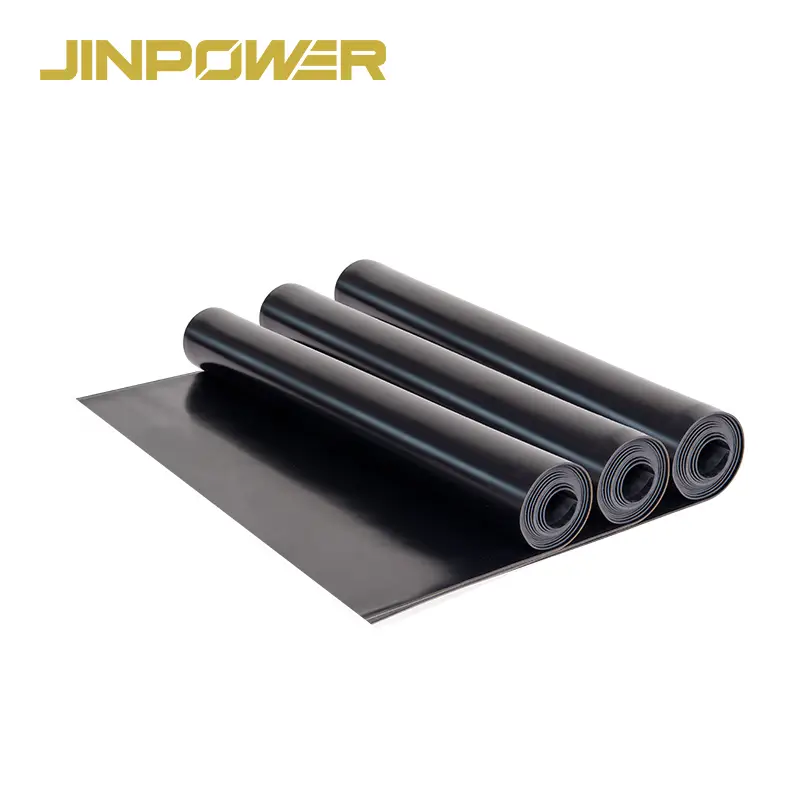
Tool #3 — Insulating Mats
Purpose
Create a controlled underfoot zone to reduce step and touch potential where crews stand, especially near panels and cable pits.
Specs that matter
- Thickness and class appropriate to the nominal voltage environment.
- Surface texture that prevents slips and allows easy cleaning.
- Dimensions that cover stance and expected foot movement, not just “toe-tips.”
Pre-use checks
Flatness (no curling edges), no cuts or embedded metal shards, dry and clean surface.
Use / don’t use
- Use under panels, temporary switching points, and cramped pits.
- Don’t use mats with rolled edges in high-trip-risk zones; replace damaged sections immediately.
Care
Store flat or on racks; clean with non-aggressive agents; avoid prolonged sunlight and heat.




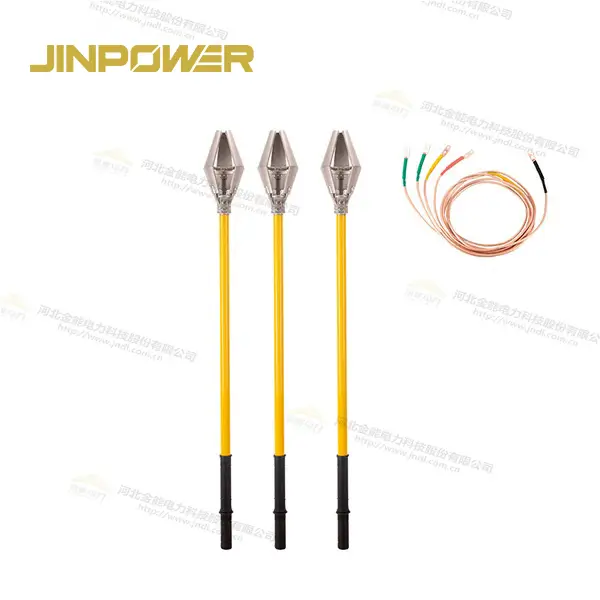
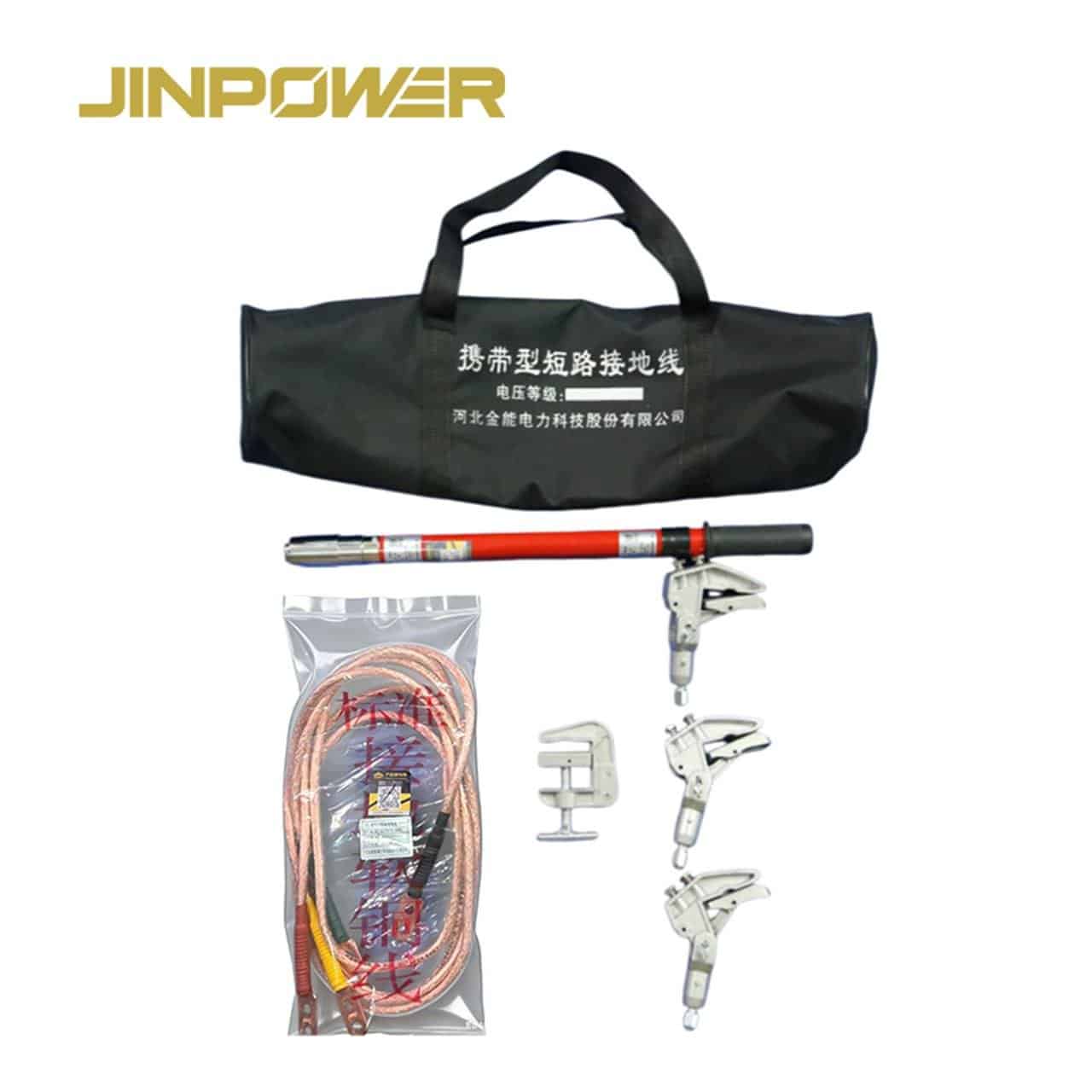
Tool #4 — Portable Earthing & Short-Circuiting Set
Purpose
Provide a low-impedance path to discharge trapped and induced energy and to clamp potential differences during de-energized work.
Specs to watch
- Conductor cross-section sized for prospective fault current and clearing time.
- Clamp type and rating matched to the conductor or bus geometry.
- Clear, durable labeling and reliable mechanical integrity.
Pre-use checks
Conductor strands intact, no hot spots or discoloration; clamp springs strong; threads and contact faces clean; identification tags legible.
Use / don’t use
- Use after proving dead, at approved earthing points with correct sequence.
- Don’t use on corroded or painted surfaces without proper preparation; never “assume” the clamp is tight—verify.
Care
Keep connectors clean and dry; inspect after every deployment; replace bent or heat-damaged parts.



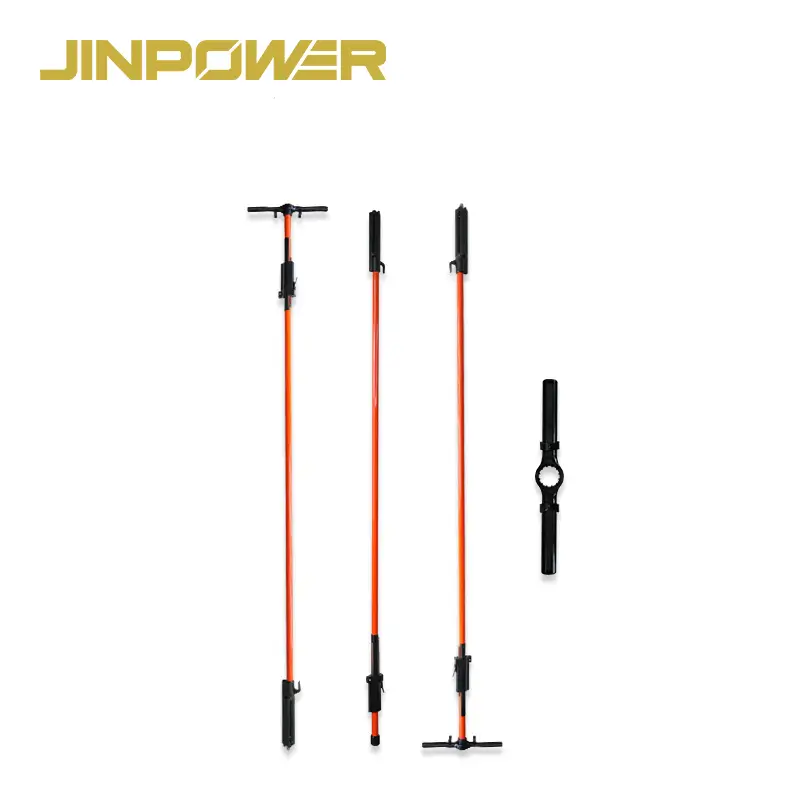
Tool #5 — Insulated Operating Stick (Hot Stick)
Purpose
Extend reach and maintain insulation distance for switching, testing, and application/removal of devices from a safe position.
Specs that matter
- Length suited to the required approach distance.
- Pole material and surface finish that maintain creepage resistance.
- Secure, compatible heads for the intended tasks (hooks, sockets, etc.).
Pre-use checks
Surface clean and dry; no cracks, chips, or contamination; couplers and heads tight.
Use / don’t use
- Use with stable footing and clear body positioning; lock heads before engagement.
- Don’t use if the pole is wet, contaminated with conductive dust, or if you lack sufficient clearance to maneuver safely.
Care
Wipe down after use; store in cases or racks; schedule periodic inspection of surface resistivity or as per manufacturer advice.


Tool #6 — Phase Comparator
Purpose
Verify phase identity and sequence before paralleling circuits, closing ties, or synchronizing equipment.
Specs that matter
- Voltage compatibility for the intended system.
- Clear indication (visual/audible) and secure connectors.
- Sufficient lead length and insulation to reach points safely.
Pre-use checks
Functional self-test where applicable; inspect leads and clips; confirm labeling.
Use / don’t use
- Use during commissioning, switching between feeders, or verifying cables after jointing.
- Don’t use a generic meter setup to “guess” phase; wrong phase matching can damage assets and endanger personnel.
Care
Coil and store leads neatly; avoid pinching or sharp bends; replace worn clips.
Tool #7 — Insulation Resistance Tester
Purpose
Assess insulation health of cables, motors, and switchgear barriers by applying a test voltage and reading resistance trends.
Specs that matter
- Test voltage ranges (e.g., 250 V, 500 V, 1 kV, 5 kV depending on assets).
- Guard terminals and filtering that stabilize readings in noisy environments.
- Memory or logging for trend analysis.
Pre-use checks
Battery levels, lead condition, clean terminals; quick functional test on a known resistor if available.
Use / don’t use
- Use for baseline and periodic trending; record temperature and humidity for context.
- Don’t use on energized circuits; discharge the asset after testing before touching terminals.
Care
Keep dust out of jacks; periodic calibration; protect from moisture and impacts.
Tool #8 — Earth Resistance Tester
Purpose
Measure earth electrode and grid resistance to ensure fault currents will flow to ground as designed.
Specs that matter
- Measurement method supported (3-pole, 4-pole, clamp-on options).
- Current injection capability and noise rejection.
- Lead length and stake accessories for various soil conditions.
Pre-use checks
Verify stakes and leads are intact; ensure good ground contact; check battery and zeroing.
Use / don’t use
- Use in commissioning and after soil disturbances or extensions to grids.
- Don’t use in a way that allows test currents to pass through people or active work areas; set boundaries.
Care
Clean stakes; dry leads before storage; maintain calibration.
Tool #9 — Arc-Rated Face Shield / Hood
Purpose
Protect the face, eyes, and neck from arc flash heat and projectiles while maintaining visibility.
Specs that matter
- Arc rating that meets or exceeds the calculated incident energy for the task location.
- Optical clarity and anti-fog performance.
- Compatibility with helmets, earmuffs, and respirators as needed.
Pre-use checks
No scratches or clouding that impair vision; secure attachment points; clean visor.
Use / don’t use
- Use with full coverage—seal at the neck and pair with arc-rated garments.
- Don’t use if visibility is reduced to the point that workers might remove or lift the shield during tasks.
Care
Clean with approved agents; air-dry; store in a soft bag or case to prevent scratches.
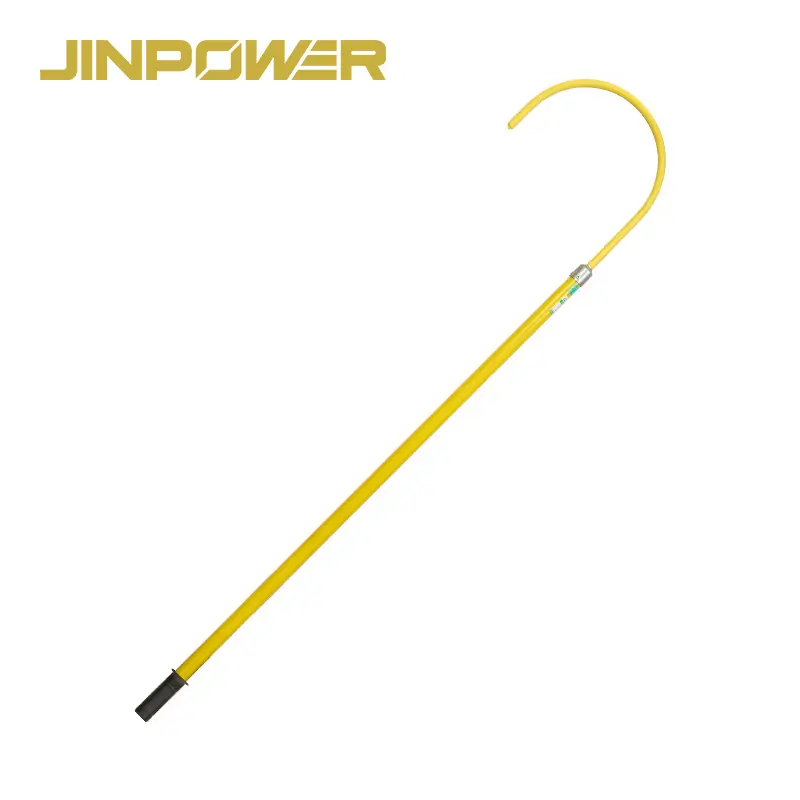
Tool #10 — Electrical Rescue Hook & First-Aid Kit
Purpose
Enable safe extraction of a shocked person and immediate treatment in the critical minutes before emergency responders arrive.
Specs that matter
- Rescue hook rated and long enough for the working envelope.
- First-aid kit contents aligned to electrical injuries (burn dressings, saline, gloves, CPR mask).
- AED availability and battery status where mandated or recommended.
Pre-use checks
Hook integrity; clear access to storage location; kit inventory up to date and sealed.
Use / don’t use
- Use only once the area is made safe; then pull the casualty clear using the hook.
- Don’t use bare hands; avoid becoming a second victim.
Care
Mount hooks in visible, signed locations; monthly kit inspections; AED self-test logged.
Task-to-Tool Matrix
| Common Task | Must-Have Tools | Nice-to-Have / Situational |
|---|---|---|
| Proving dead at the point of work | Voltage detector | Insulated operating stick |
| De-energized maintenance on switchgear | Portable earthing set, Insulating gloves, Insulating mats | Phase comparator (post-work verification) |
| Cable identification and post-joint verification | Voltage detector, Phase comparator | Insulation resistance tester |
| Commissioning earthing systems | Earth resistance tester | Insulating mats, operating stick (site-specific) |
| Arc-prone switching operations | Arc-rated face shield/hood, Insulating gloves | Additional arc-rated garments |
| Emergency response | Rescue hook, First-aid kit (and AED where available) | Emergency lighting/comms |
Care, Storage & Record-Keeping
Good tools die early in bad storage. Keep everything clean, dry, and protected from UV, heat, and chemicals. Use labeled racks or cases for hot sticks and mats. Pair tools with asset IDs and maintain a simple log: received date, issue records, pre-use checks, calibrations/re-tests, and retirement. A QR or RFID tag helps teams verify status in seconds and stops overdue items from circulating.
