Surface Textures of Electrical Insulating Mats – Smooth, Ribbed and Diamond Plate


In the domain of electrical safety flooring, selecting the correct insulating mat is vital—not only in terms of dielectric strength but also in terms of surface texture. With JINPOWER’s electrical insulating mats (compliant with IEC 61111:2009, Class 0–4) we offer three distinct surface finishes: smooth, ribbed (corrugated) and diamond-plate. While all these mats are anti-slip by design, the textured variants (ribbed and diamond plate) cater especially to overseas customers who prefer the “patterned look” for reassurance of grip. These textures can influence cleaning, foot-feel, maintenance and suitability for particular industrial environments.
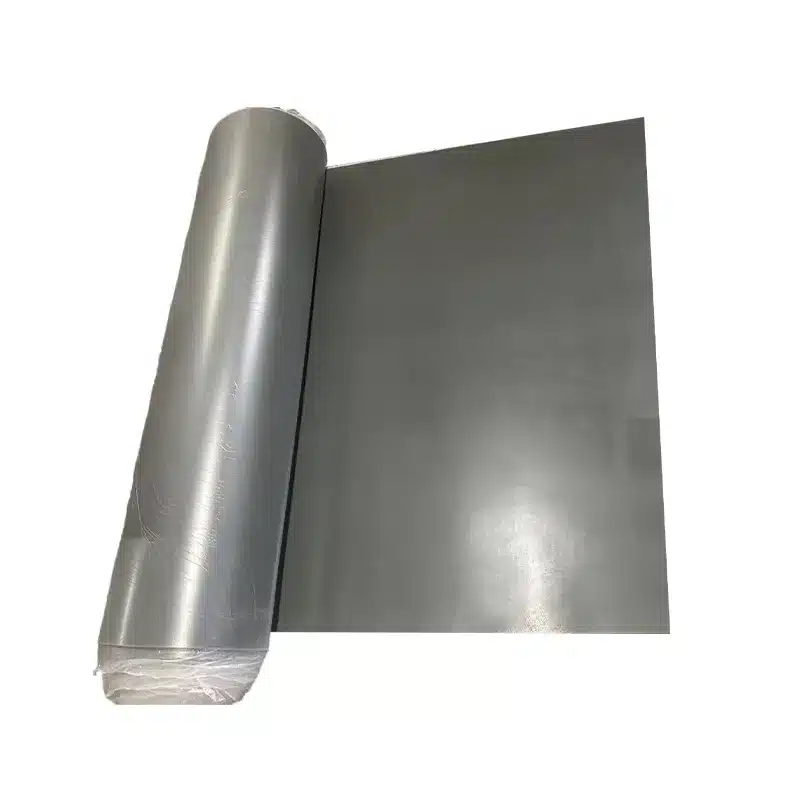
Smooth Surface
Characteristics
- A flat, even surface with minimal or no raised pattern.
- Easiest to clean since there are no deep grooves or ribs.
- Provides the anti‐slip protection through the mat’s material and pad construction rather than aggressive surface texture. (Anti-slip surface designs (smooth, ribbed or diamond plate) reduce slip hazards even in oily or wet environments.)
- Good for environments where cleanliness, minimal foot disturbance and lower maintenance are priorities.
Best‐use environments
- Control rooms, switchgear panels, electrical rooms with limited foot traffic.
- Indoor, dry environments where oil/water contamination is minimal.
Why choose it
- If the site is relatively controlled and clean, the smooth finish provides full insulation and slip protection in a “visually minimal” way.
Caveats
- While anti‐slip, in extremely oily or heavily trafficked zones a textured surface might give stronger “visual grip cue” to users.
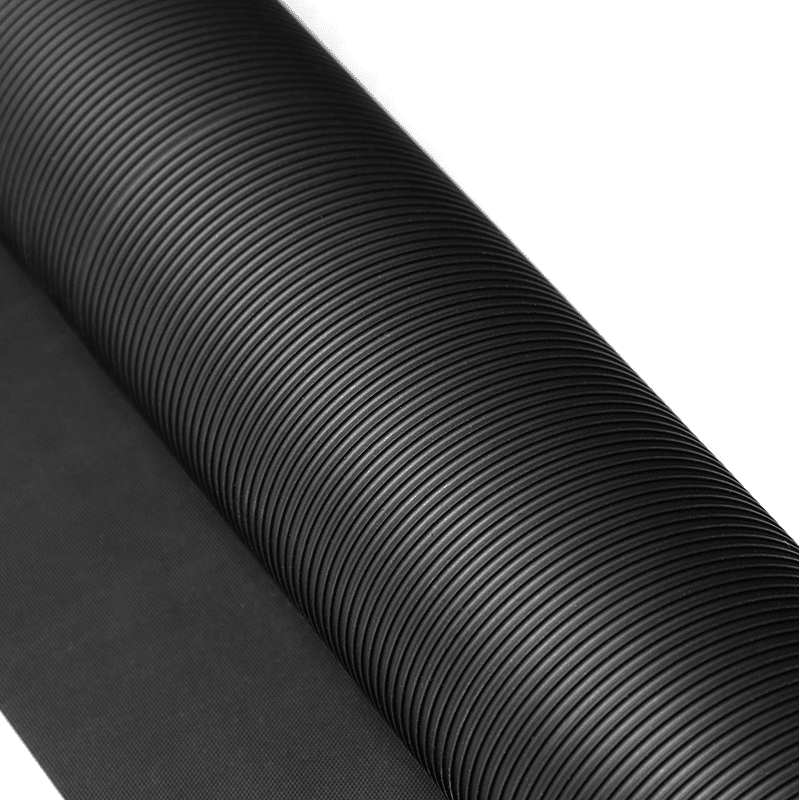
Ribbed (Corrugated / Fine-Rib) Surface
Characteristics
- The surface is defined by shallow, repeating ribs or corrugations.
- Adds mechanical friction via patterning: helps shed liquid (oil/water) and increase grip. (Industry sources: ribbed or corrugated patterns help enhance traction and drainage.)
- Maintains anti‐slip nature through both material and pattern.
Best‐use environments
- Plant distribution rooms, maintenance workshops, factory floors where oil / coolant / moisture may be present.
- Medium‐to‐high foot/traffic zones, but not the heaviest equipment rolling.
Why choose it
- Offers a good balance between cleanability and enhanced traction.
- Abroad, clients often prefer visible texture since it gives an immediate “safe floor” visual cue.
Caveats
- Slightly more cleaning attention required (grooves may trap dust/debris) than smooth.
- May feel less “flat” underfoot if someone stands long time (though still fine).
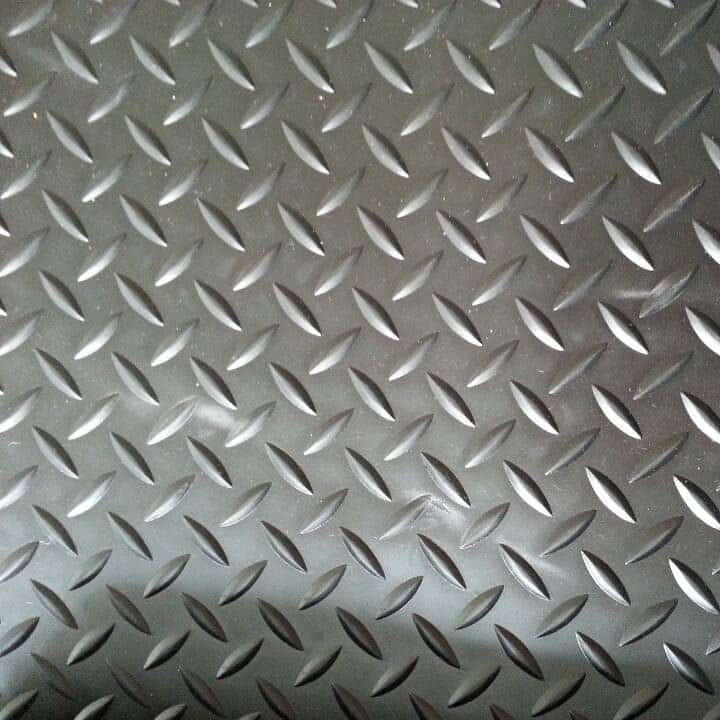
Diamond Plate (Raised Tread) Surface
Characteristics
- Raised diamond-shaped (or tread-plate style) pattern across the mat.
- Strongest visual and mechanical grip surface; ideal for heavy-duty/ high traffic zones. Industry sources say that diamond plate pattern “provides superior traction, creating a non-slip, safe working environment in areas with electrical hazards”.
- Diamond Plate Surface – Heavy-duty, anti-wear, and suitable for high-traffic zones.
Best‐use environments
- Substation corridors, heavy maintenance halls, petrochemical plant floors, areas with equipment wheels/rollers, high‐load zones.
- Any site where visual “industrial look” is desired and heavy foot/vehicle traffic is present.
Why choose it
- Maximizes the traction and wear resistance.
- Particularly popular in foreign markets (Middle-East, South America, Africa) because clients like the visible pattern—it signals “high safety” even if the smooth variant would suffice.
Caveats
- Slightly higher cost, slightly more complex cleaning.
- For purely indoor, clean, low traffic zones, may be over‐spec.
Key Point: Anti-Slip for All Finishes
It is important to emphasise: no matter which surface finish you select—smooth, ribbed or diamond plate—all JINPOWER insulating mats are manufactured with built-in anti-slip function. The surface pattern is not the sole source of slip protection; the material compound, thickness, and manufacturing quality ensure insulation and traction. The pattern is largely about:
- tailoring the visual/psychological cue of safety (especially for overseas buyers),
- matching environment (traffic, contamination, cleaning regime),
- matching cost vs performance.
While technically a smooth anti-slip mat may suffice, textured finishes give that extra confidence (and sometimes help with marketing the facility).
Comparison Table
| Surface Finish | Traction / Grip | Cleaning / Maintenance | Typical Environment | Visual Preference by Overseas Clients |
|---|---|---|---|---|
| Smooth | Good (via material) | Easiest | Control rooms, indoor clean areas | Moderate – minimalist look |
| Ribbed | Better (ribs enhance grip) | Moderate | Workshops, moderate contamination | High – visible safety texture |
| Diamond Plate | Best | Slightly more involved | Heavy traffic, equipment zones | Very High – “industrial safety look” |
Practical Selection Guide
- Assess the environment:
- Is there oil, water or coolant spill risk?
- Is there heavy equipment/pallets/wheels rolling over the mat?
- What is the traffic: occasional vs frequent vs heavy continuous?
- Decide the surface:
- If environment is clean + light foot traffic → smooth suffices.
- If moderate contamination/traffic → ribbed is a good balance.
- If heavy traffic/high contamination + strong visual safety demand → diamond plate.
- Reassure the buyer: emphasise to clients that regardless of surface texture the mat’s insulation, anti‐slip compound, thickness and Class rating (Class 0-4) ensure safety compliance.
- Customization & branding: mention JINPOWER’s flexibility: widths 0.5 m–2.0 m, thicknesses 3–14 mm, optional yellow warning lines, colours etc.
- Maintenance & lifespan: regular cleaning, inspection for wear/tears, keep edges free of curling. Good quality mats can last 4-5 years or more in industrial use.
FAQ
Conclusion
In summary: the choice between smooth, ribbed and diamond-plate surface finishes in electrical insulating mats is not just about “which looks better”, but about matching environment, traffic, maintenance demands and client expectations. JINPOWER’s mats provide full anti-slip protection in all finishes—so the texture becomes a matter of optimization and perception rather than basic safety. In your marketing or procurement discussions for Central Asia, South America, Africa and Middle East, you can highlight that while the mat meets the same insulation & slip-resistance standards regardless of texture, textured finishes (ribbed/diamond) are especially appreciated by overseas clients for their “heavy industrial look” and visual safety cue.