
Substation Safety Equipment for 11kV–36kV
High-voltage substations operate under constant risk—where a single error can escalate into a life-threatening event. That’s why substation safety isn’t just a compliance checkbox; it’s an active line of defense. At JINPOWER, we specialize in delivering a full spectrum of substation safety equipment for 11kV to 36kV environments—helping utility companies, contractors, and maintenance teams protect workers, reduce downtime, and operate with confidence.
From insulated PPE and rescue tools to voltage detection, grounding systems, and physical barriers, our solutions are engineered for real-world conditions—backed by manufacturing expertise, international exports, and a deep understanding of field needs. Whether you’re building a new substation or upgrading your safety protocols, JINPOWER equips your team with the tools to stay protected and prepared.

Why Substation Safety Equipment Matters
Substations aren’t just power transfer points—they’re among the most hazardous zones in the grid. High voltages, tight spaces, switching operations, and unexpected feedback from energized lines create real danger for your crews.
Without proper safety equipment, even basic tasks like switching breakers or checking panels can lead to:
- Electrocution and arc flash injuries
- Uncontrolled backfeed incidents
- Delayed emergency response
- Longer downtime and costly recovery
Substation safety equipment isn’t just about compliance—it’s about prevention. Insulated gloves and tools reduce contact risks. Grounding sets block voltage surges. Rescue kits save lives when seconds count. These aren’t optional tools—they’re your team’s first line of defense.
Whether you’re managing a wind farm at 33kV or maintaining a city distribution point, having the right safety equipment means your team works smarter, faster, and safer—every day.
Key Categories of Substation Safety Equipment
To build a truly safe substation, you need more than one type of protection. Substation safety equipment is typically divided into four core categories—each addressing a specific layer of risk:
1. Personal Protective Equipment (PPE)
These are the essentials worn by every technician working inside or near the substation. Common items include:
- Insulating gloves and boots to block electrical contact
- Arc-rated face shields and coveralls to protect against flash burns
- Hard hats and safety harnesses for fall and impact protection
2. Live-Line Tools and Rescue Gear
Used to perform or respond to electrical tasks while maintaining a safe distance:
- Hot sticks and insulated rescue hooks
- Voltage detectors and grounding verification tools
- Rescue kits for fast intervention during accidents
3. Grounding & Short-Circuit Systems
Prevent energy backfeed and ensure the system is completely de-energized during maintenance:
- Portable earthing devices
- Grounding rods and cables
- Short-circuiting kits to safely neutralize stored energy
4. Site Safety Infrastructure
These tools protect against environmental and human hazards:
- Insulating rubber mats and safety barriers
- Warning signage and restricted access fencing
- Lighting, escape guides, and fire suppression aids

Built for switchgear rooms, substations, electrical panels, and other insulated standing areas where step protection and surface insulation are required.

Includes insulating gloves, insulating boots, sleeves, helmets, and other personal protection products for electrical work.

Designed for temporary grounding, discharge, and maintenance isolation work, including portable earthing kits, grounding sticks, and grounding cables.

Made for safe operation in energized environments, including hot sticks, rescue hooks, insulating ladders, and related insulated tools.
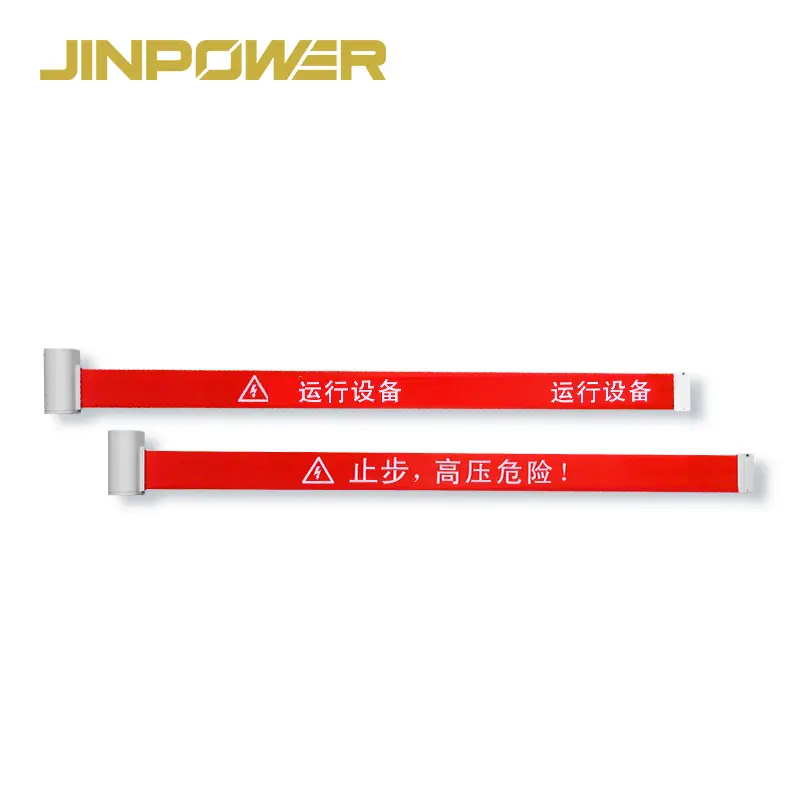
Supports safer jobsite organization with warning barriers, safety markings, protective zone products, and related accessories.

Used for voltage verification before work begins, helping field teams confirm de-energization and reduce operating risk.
Typical Substation Layout & Safety Zones
A substation isn’t just a collection of transformers and switches—it’s a system of high-risk zones that require targeted safety controls. Understanding the physical layout of a substation helps determine what safety equipment is needed, where, and why.
Key Operational Zones & Their Hazards:
- Primary Busbar and Switchgear Area
High-voltage components and live switching—risk of arc flash, accidental contact, and equipment failure.
Requires arc-rated PPE, hot sticks, grounding kits, and insulating mats. - Transformer Yard
Exposed energized equipment and oil-cooled machinery—risk of electrocution, arc, and fire hazard.
Requires rescue kits, voltage detectors, and fire suppression tools. - Control Room and Relay Panels
Lower-voltage but critical for command—risk of secondary voltage exposure and control error.
Requires lockout/tagout tools, warning signage, and insulated gloves. - Perimeter and Access Routes
Risk of unauthorized entry, trip hazards, and emergency egress limitations.
Requires barriers, safety signs, escape lighting, and route markings.
Properly assigning safety equipment by zone ensures that each team member is protected based on the specific risks they face. For example, a technician working near live switchgear needs different protection than someone doing grounding verification or managing access control.
With this zoning approach, safety becomes systematic—not reactive.
Feature Comparison: Substation Safety Equipment by Function
Choosing the right safety equipment isn’t just about having the tools—it’s about having the right tools for the right risk. Below is a quick comparison of substation safety equipment categories, their specific use cases, and the matching solutions JINPOWER offers.
| Category | Primary Function | Application Zones | JINPOWER Solutions |
|---|---|---|---|
| PPE | Personal protection against arc flash, contact | All-access areas, live zones, switching panels | Class 3/4 gloves, arc suits, face shields, boots |
| Live-Line & Rescue Tools | Safe operation and emergency response | Busbars, switchgear, transformer bays | Rescue kits, hot sticks, voltage testers |
| Grounding Systems | Prevent backfeed and static charge hazards | Maintenance areas, de-energized lines | Grounding rods, clamps, cables, short-circuit kits |
| Site Safety Gear | Environmental hazard reduction and visual control | Control room, perimeter, access routes | Rubber mats, barriers, signage, escape indicators |
This at-a-glance table helps you align your operational needs with the appropriate equipment. Whether you’re conducting planned maintenance or preparing for emergency intervention, each product category fulfills a critical role in your safety protocol.
Field Applications & Case Scenarios
Substation safety isn’t theoretical—it’s tested in real-world conditions every day. JINPOWER’s safety equipment is already at work in high-voltage environments across multiple sectors, from national grid utilities to renewable energy operations and EPC construction sites.
Urban Distribution Substations (11kV–24kV)
Operators use our Class 3 PPE and voltage detectors during scheduled maintenance and emergency repair of medium-voltage switchgear—reducing incident rates and shortening restoration time.
Wind and Solar Farm Substations (33kV–36kV)
Technicians rely on our rescue kits, hot sticks, and grounding assemblies to stay safe during energized work near transformers, inverters, and control cabinets—especially in remote or elevated installations.
Industrial Power Infrastructure
In private substations feeding manufacturing plants or data centers, our site safety tools—like rubber mats, signage, and perimeter barriers—help enforce access control and zone isolation protocols.
Maintenance & Utility Contractor Teams
Mobile teams deploy JINPOWER’s portable intervention kits and grounding sets during temporary line shutdowns or transformer replacement—ensuring readiness regardless of location.
These scenarios prove that safety isn’t just a checklist—it’s a system. JINPOWER’s solutions adapt to different field demands while maintaining consistency in protection, portability, and performance.
Easy Installation & User Training
Substation safety equipment is only effective when it’s properly installed and understood by the people who use it. That’s why JINPOWER designs every product with simplicity, clarity, and on-site adaptability in mind.
Our equipment comes pre-labeled, modular, and often ready-to-use out of the box. Whether it’s a grounding kit, rescue pole, or PPE set, each component is engineered for fast deployment in tight, high-risk spaces. Color-coded systems, tool-free connections, and wall-mounted options help teams get operational without delays.
To support safe usage, we also provide easy-to-follow instructions, on-site training support, and demonstration videos. Many of our clients integrate these resources into their internal safety drills and toolbox talks, helping reduce human error and standardize emergency response protocols.
For large-scale installations or customized kits, our technical team works directly with operators and supervisors to ensure equipment is installed correctly and that personnel are confident in its use—before an emergency ever happens.
FAQs: Substation Safety Equipment
What protective equipment is used in a substation?
Substation personnel typically use PPE such as Class 3 or 4 insulating gloves, arc-rated coveralls, dielectric boots, face shields, and helmets. These items protect workers from arc flash, electric shock, and mechanical hazards during operations near live equipment.
What are the main safety equipment used in a substation?
Key safety equipment includes insulated tools, grounding kits, rescue hooks, voltage detectors, rubber mats, and visual safety barriers. These devices ensure a safe working environment by controlling electrical risks and enabling emergency response.
What are the safety requirements for substation operations?
Safety in substations requires zone isolation, proper PPE, routine equipment inspection, and fast-access rescue tools. It also involves clear signage, restricted access, and proper training in emergency response procedures. A complete protection system integrates both personal and system-level controls.
What equipment is typically installed in a 33/11kV substation?
A typical 33/11kV substation includes circuit breakers, isolators, power transformers, surge arresters, control panels, grounding systems, and safety infrastructure such as fire extinguishers and rubber mats. Each component plays a role in safe power distribution and protection.
What is a substation protection system and how does it work?
A substation protection system monitors and isolates faulty sections of the electrical network to prevent equipment damage and personal injury. It includes relays, circuit breakers, grounding mechanisms, and surge protectors—all working together to detect, signal, and interrupt abnormal conditions.
Can substation safety equipment be customized for different layouts?
Yes. At JINPOWER, we tailor safety kits to fit specific substation designs, voltage levels, and work zones. Options include portable or wall-mounted setups, PPE sizing, and multi-language labeling for regional teams.
What are the functions of different substation safety tools?
Each tool has a specific purpose: insulated gloves prevent direct contact, grounding kits eliminate backfeed risk, rescue poles enable emergency intervention, and mats isolate the working area from earth potential. Together, these tools create a layered defense against electrical hazards.
Built for switchgear rooms, substations, electrical panels, and other insulated standing areas where step protection and surface insulation are required.
Includes insulating gloves, insulating boots, sleeves, helmets, and other personal protection products for electrical work.
Designed for temporary grounding, discharge, and maintenance isolation work, including portable earthing kits, grounding sticks, and grounding cables.
Made for safe operation in energized environments, including hot sticks, rescue hooks, insulating ladders, and related insulated tools.
Supports safer jobsite organization with warning barriers, safety markings, protective zone products, and related accessories.
Used for voltage verification before work begins, helping field teams confirm de-energization and reduce operating risk.
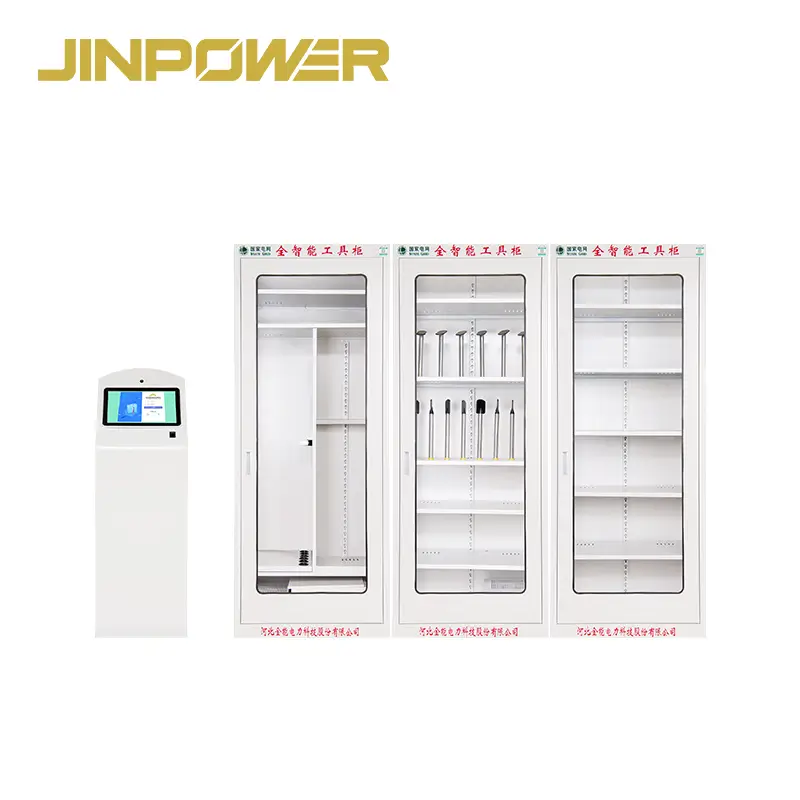
Helps teams store, protect, organize, and manage safety tools through cabinets, climate control storage, and smart equipment systems.
