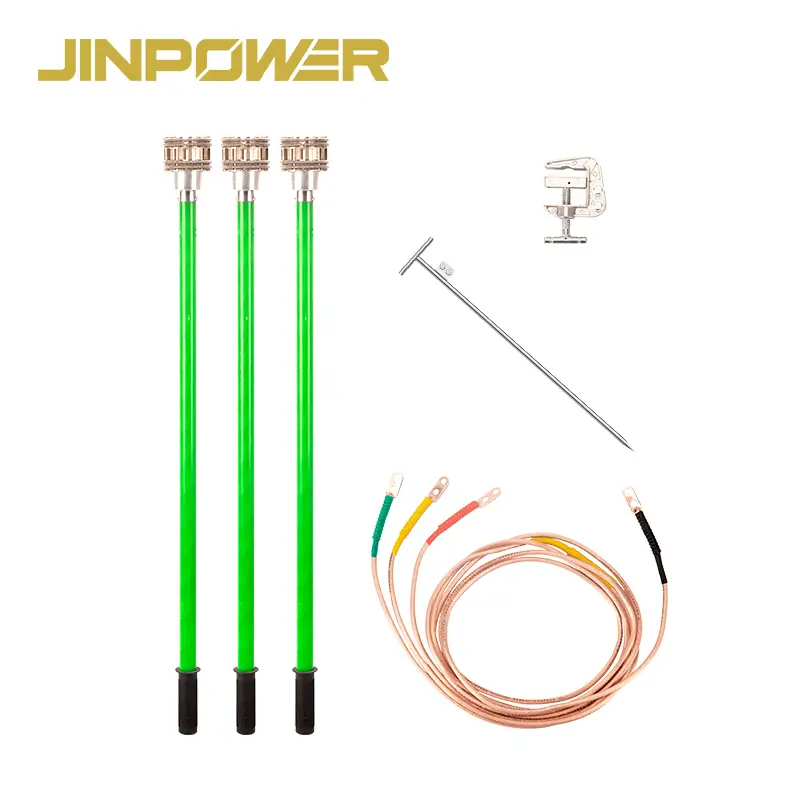
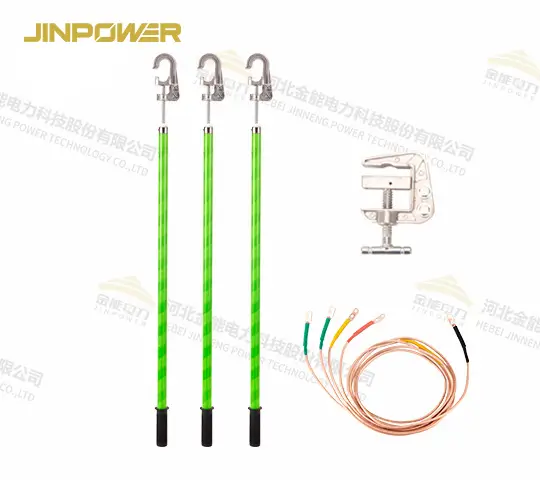
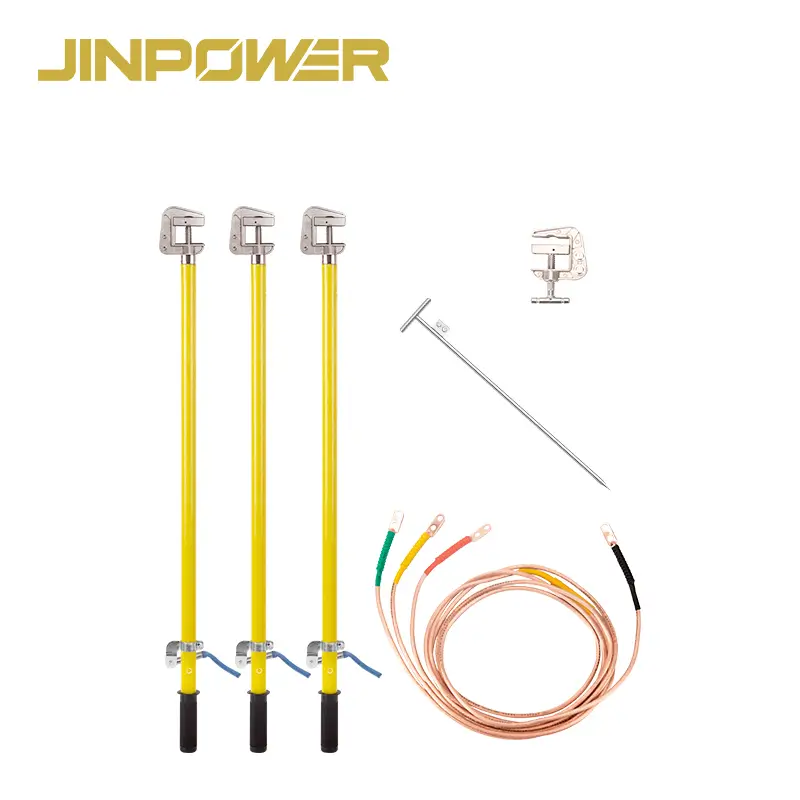
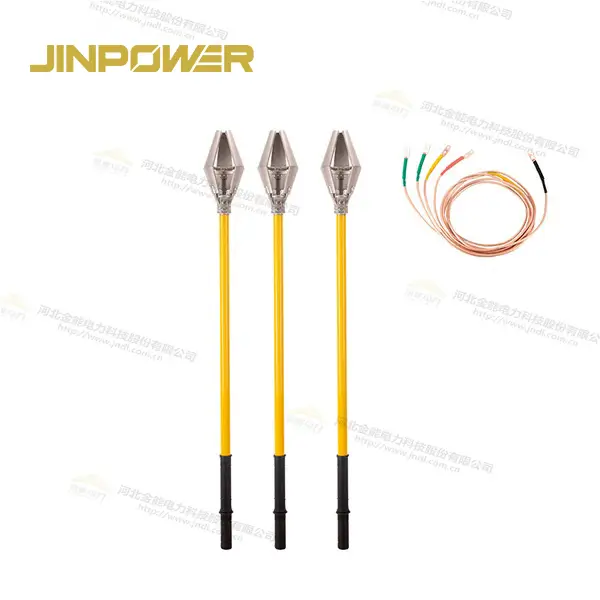
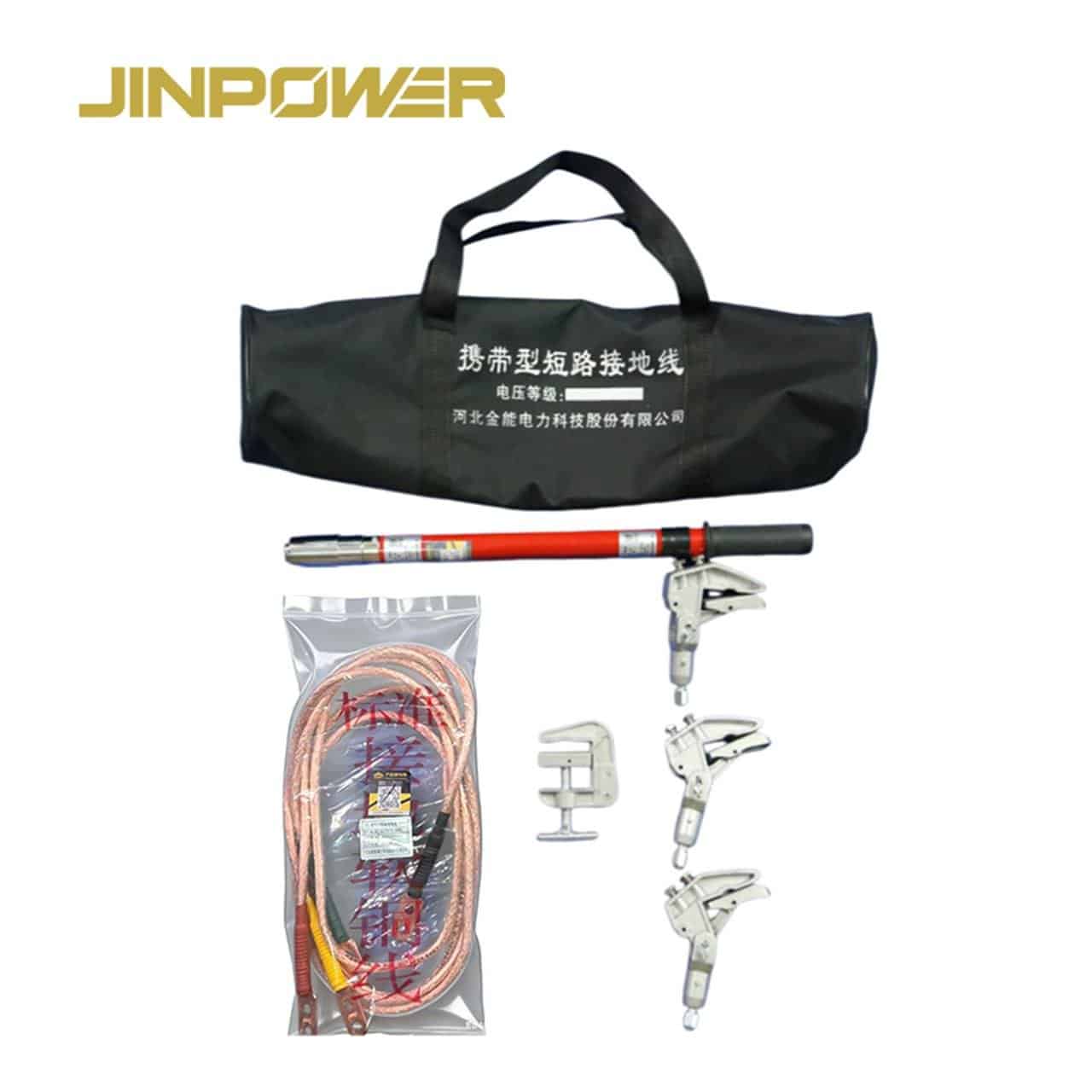
Portable Earthing for Switchgear and Panels: Interfaces, Access, and Site Discipline
Portable earthing for switchgear and panels is not only about choosing a cable and clamp set. In compact electrical equipment, the real risk often comes from unclear interfaces, restricted access, wrong clamp selection, poor visibility, missing fault-duty confirmation, and weak site discipline. A portable earthing kit must match the actual switchgear or panel connection point, the available fault current, the access condition, and the site safety procedure. IEC 61230 applies to portable equipment, with or without matching connection points, for temporary earthing or earthing and short-circuiting of isolated or de-energized AC and DC installations. Follow local regulations and your site safety procedure.
The Short Answer: Switchgear Earthing Starts with Interface Control
Portable earthing for switchgear and panels should start with the actual connection interface, not the kit name.
A general “portable earthing kit” request is not enough for switchgear or panel applications. The buyer must know where the kit will connect, what clamp interface is required, whether access is physically possible, and whether the equipment is rated for the site’s fault duty.
Switchgear and panels are different from open outdoor conductors. The working area may be compact. The connection point may be fixed. The clamp angle may be limited. The earth point may be inside a cabinet, behind a barrier, or close to other components. This is why interface, access, and site discipline should be confirmed before the equipment reaches site.
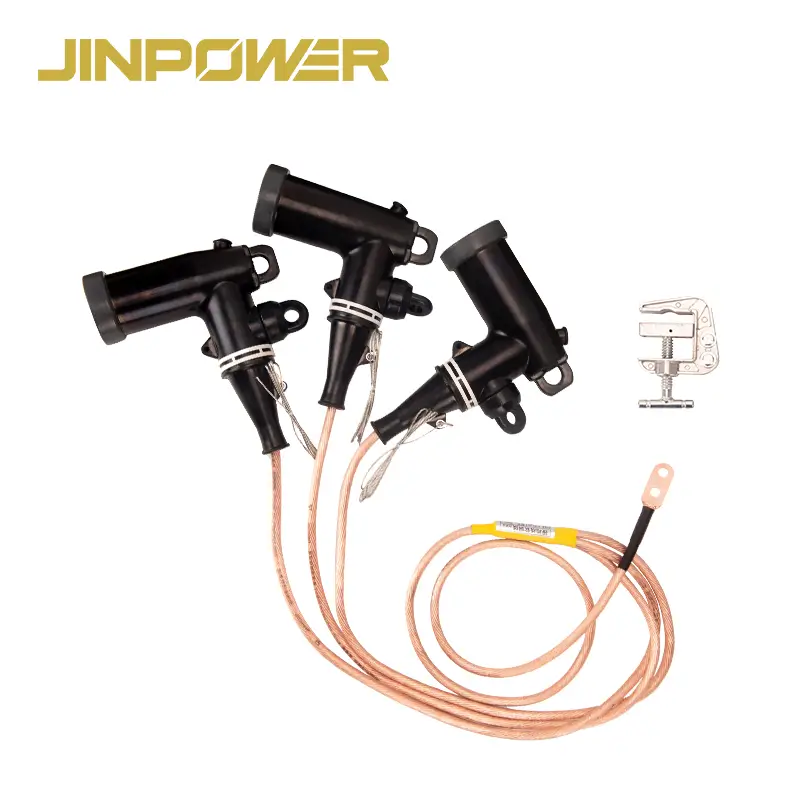
Why Switchgear and Panels Need a Different Earthing Mindset
Switchgear and panels create a more controlled but less forgiving earthing environment.
In a switchgear or panel area, there is usually less room for improvisation. A clamp that works on an overhead conductor may not fit a busbar, earth bar, fixed stud, or internal panel connection point. A cable length that looks acceptable in a catalog may become awkward when the cabinet depth, phase spacing, door opening, and earthing point position are considered.
This matters because IEC 61230 covers portable earthing and short-circuiting equipment with or without matching connection points. That wording is important for procurement. It means the connection interface may be part of the intended equipment system, not a detail to solve later in the field.
Interface: What Must Match Before the Kit Reaches Site
A portable earthing kit is only useful if its clamp and lead arrangement match the actual switchgear or panel earthing point.
The interface should be defined before ordering. A switchgear or panel earthing point may be a fixed earth bar, busbar, conductor, test interface, grounding terminal, or dedicated connection point. Each option can require a different clamp jaw, contact face, opening size, angle, and lead arrangement.
When the interface is unclear, field teams may face two bad outcomes: the kit cannot be used, or someone tries to improvise. Both outcomes should be prevented by better procurement and job planning.
| Interface item | What to confirm | Why it matters |
|---|---|---|
| Earthing point | Fixed earth point, busbar, earth bar, conductor, or special interface | Prevents wrong clamp selection |
| Clamp type | Jaw opening, contact face, angle, and locking style | Reduces poor contact and field improvisation |
| Lead length | Distance from phases or connection points to earth point | Prevents strained or awkward layout |
| Space around connection | Cabinet depth, barriers, door opening, and access angle | Confirms whether the equipment can be positioned |
| Matching connection point | Available or not available | Affects kit configuration |
| Phase spacing | Internal layout inside the panel or switchgear | Prevents wrong lead arrangement |
| Documentation | Drawings, photos, or site interface notes | Makes supplier recommendation more reliable |
Access: Why Physical Reach and Visibility Matter
If the earthing point cannot be clearly reached, seen, and controlled, the kit selection is incomplete.
Access is not just a convenience issue. It is a safety and usability condition. OSHA’s electrical equipment rules require sufficient access and working space around electrical equipment to permit ready and safe operation and maintenance, and OSHA also specifies access requirements for working space around electric equipment.
For switchgear and panels, access issues may include:
- limited door opening
- narrow cabinet depth
- internal barriers
- poor visibility of the intended connection point
- limited room for clamp angle
- difficult lead routing
- nearby equipment or stored items blocking working space
A portable earthing kit may be technically suitable on paper, but still unsuitable in practice if the field team cannot position it in the available space without compromising the site procedure.
Fault Duty: Ratings Must Match the Switchgear Condition
Portable earthing equipment for panels and switchgear must be rated for the available fault current and clearing time.
The clamp may fit. The lead may reach. The kit may look strong. None of that is enough if the fault-duty requirement is not confirmed.
OSHA states that portable grounding cables and clamps must be able to carry and withstand the maximum fault current available for the time needed for an overcurrent device to trip. OSHA also notes that the available fault current must be determined, and two or more leads in parallel may be needed depending on the amount of available fault current.
For procurement, the key RFQ information should include:
- available fault current
- clearing time
- required rated current and time duty
- cable cross-section or equivalent conductor requirement
- clamp rating
- complete kit configuration
- any need for parallel leads or special arrangement
The buyer should not rely on cable thickness, clamp size, or product photos as proof of suitability.
Grounding Impedance and Protective Device Operation
The grounding arrangement should not delay the protective response if accidental energization occurs.
OSHA’s construction grounding rule states that protective grounding equipment must be capable of conducting the maximum fault current at the grounding point for the time necessary to clear the fault. It also states that protective grounds must have impedance low enough that they do not delay the operation of protective devices if lines or equipment are accidentally energized.
For switchgear and panels, this reinforces the importance of a complete system view. The equipment should not be selected as separate parts only. Clamps, leads, connection points, terminations, and the site’s protective-device clearing time should all be understood together.
Site Discipline: Preventing Field Improvisation
Most switchgear earthing errors are easier to prevent before the panel door is opened.
Site discipline is the control layer that prevents human error. It does not replace technical rating. It makes sure the correct rated equipment is identified, inspected, available, and used only within the site’s approved procedure.
A strong site discipline program should control:
- equipment identity
- inspection status
- test due status
- traceability number
- approved connection point
- access permission
- job briefing requirements
- stop-work rule when the interface is unclear
- post-use review
- post-event withdrawal rule for suspect equipment
The goal is simple: do not let the field team solve procurement, interface, and rating problems under time pressure.
Common Mistakes with Portable Earthing in Switchgear and Panels
| Common mistake | Why it happens | Risk created | Better control |
|---|---|---|---|
| Ordering by kit name only | Interface not defined | Clamp does not fit site | Specify the panel connection point |
| Ignoring access space | Cabinet layout not checked | Field improvisation | Confirm visibility, reach, and working space |
| Wrong clamp style | Contact surface unclear | Poor connection or unusable kit | Match clamp to actual interface |
| Lead too short or awkward | Layout not measured | Strain and poor positioning | Define lead length by panel layout |
| Fault duty not confirmed | Electrical data missing | Under-rated equipment | Confirm fault current and clearing time |
| No traceability | Asset control weak | Wrong or unverified kit used | Label, register, and inspect equipment |
| Weak job briefing | Crew relies on memory | Missed checks | Use a management checklist |
| Reusing suspect equipment | Post-use control weak | Hidden damage risk | Remove suspect equipment from service |
What Buyers Should Ask Before Ordering
A good RFQ should describe the switchgear interface, not just request a portable earthing kit.
A weak RFQ says: “portable earthing kit for switchgear.”
A strong RFQ gives the supplier enough information to match the kit to the actual site.
| RFQ item | Why to include it |
|---|---|
| Switchgear or panel type | Helps identify layout and interface constraints |
| Voltage class | Confirms system category and insulation context |
| Available fault current | Supports correct current rating |
| Clearing time | Supports correct time-duty selection |
| Connection point type | Prevents clamp mismatch |
| Earthing point photo or drawing | Reduces interpretation errors |
| Clamp requirement | Helps select the correct jaw and contact face |
| Lead length and configuration | Prevents strained or awkward arrangement |
| Access restrictions | Confirms whether the kit can be positioned |
| Documentation requirement | Supports receiving inspection and site acceptance |
| Marking and traceability requirement | Supports long-term asset control |
IEC 61230 covers equipment comprising an earthing or short-circuiting device and insulating component, and it can also cover separate components such as conductive extensions, clamps, and cables with end fittings. That makes component definition important in procurement, especially for switchgear and panel interfaces.
Interface and Access Checklist for Site Review
Use the checklist below to align procurement, maintenance, and safety teams before equipment selection.
| Check point | Question to answer | Control value |
|---|---|---|
| Connection interface | What exactly will the clamp connect to? | Prevents wrong clamp selection |
| Access condition | Can the point be reached and seen clearly? | Reduces field uncertainty |
| Working space | Is the area clear and suitable for controlled work? | Supports safe operation and maintenance |
| Cable routing | Can leads be positioned without strain? | Reduces poor layout decisions |
| Fault duty | Is fault current and clearing time known? | Prevents under-rated kit use |
| Asset identity | Is the kit marked and traceable? | Prevents wrong equipment selection |
| Inspection status | Is the kit within inspection and test control? | Prevents damaged equipment use |
| Documentation | Are drawings, photos, or interface notes available? | Improves supplier matching and site acceptance |
Why Interface Photos and Drawings Improve RFQ Quality
For switchgear and panels, visual interface information can prevent expensive mismatch.
Many earthing kit mistakes happen because the supplier only sees a general request. If the buyer provides a photo, drawing, or interface description, the supplier can better understand:
- the connection shape
- the available contact area
- the cabinet depth
- the earthing point position
- the required clamp opening
- the lead arrangement
- the likely access limitation
This does not replace engineering review or site procedure. It simply makes the purchase request more specific and reduces the chance of a kit arriving on site with the wrong interface.
Documentation and Traceability Matter After Purchase
A portable earthing kit should remain identifiable and controllable throughout its service life.
For switchgear and panel use, traceability is especially important because similar-looking kits may have different clamps, ratings, lead lengths, or interface fittings. A controlled asset system should keep the kit tied to its documentation, inspection record, and intended application.
At minimum, buyers should control:
- product identification
- rating information
- inspection or test status
- component configuration
- storage condition
- issue and return records
- damaged or suspect equipment withdrawal
This is part of reducing human-error risk. When the equipment is clearly identified, the crew is less likely to select the wrong kit under pressure.
Final Rule of Thumb
For switchgear and panels, portable earthing success depends on interface fit, access control, fault-duty rating, and site discipline.
A kit that does not match the connection interface may not be usable. A kit that cannot be positioned safely may create field improvisation. A kit that is not rated for the available fault current is not suitable. A kit without traceability and inspection control increases human-error risk.
The best purchase decision starts with the actual switchgear or panel condition:
interface → access → fault duty → documentation → site discipline
Follow local regulations and your site safety procedure.
FAQ
Why is portable earthing for switchgear different from overhead line earthing?
Switchgear and panels usually have tighter access, more specific connection points, internal barriers, and less room for field improvisation. The kit must match the actual panel or switchgear interface, not only the voltage class.
What should be checked before ordering portable earthing for panels?
Check voltage class, available fault current, clearing time, connection point type, clamp style, lead length, access condition, documentation requirement, and traceability requirement.
Why does clamp interface matter in switchgear earthing?
The clamp must match the actual connection point. A wrong clamp can cause poor contact, make the kit unusable, or push the field team toward unsafe improvisation.
Does IEC 61230 apply to portable earthing equipment for switchgear and panels?
IEC 61230 applies to portable equipment, with or without matching connection points, for temporary earthing or earthing and short-circuiting of electrically isolated or de-energized AC and DC installations. Suitability still depends on product type, rating, interface, and local site procedure.
Why is site discipline important?
Many failures come from weak planning, missing interface information, unclear equipment identity, poor inspection control, or reliance on field memory. Site discipline reduces the chance that crews must solve these problems during the work.