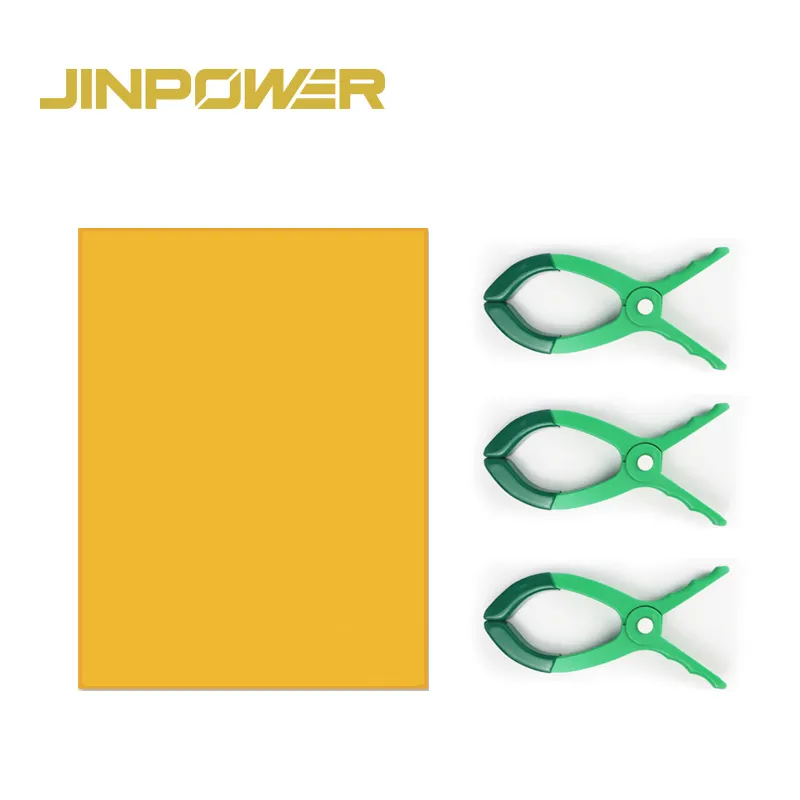
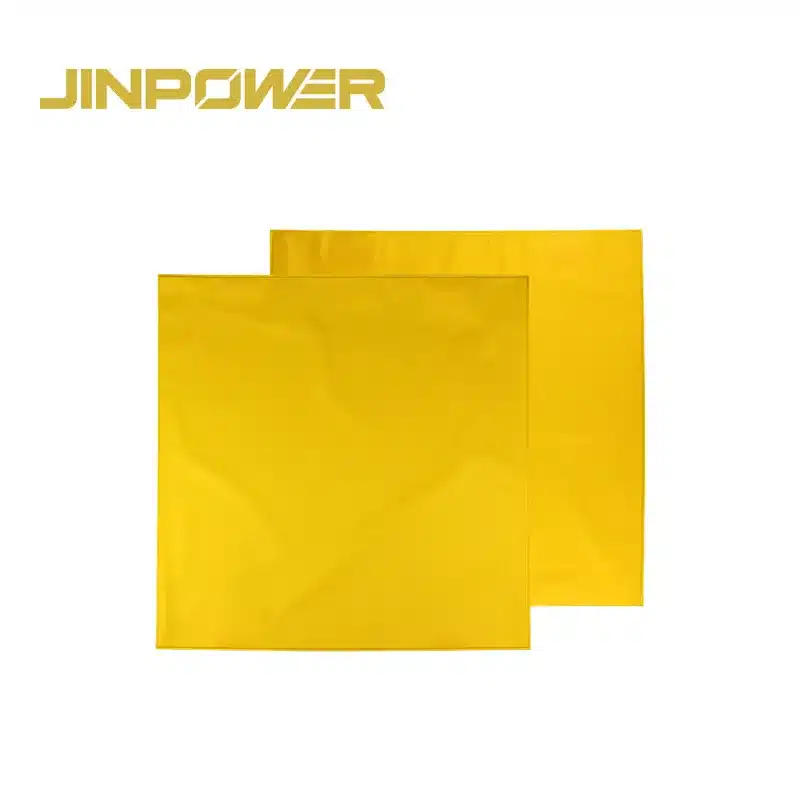
High Voltage Blankets: Essential Insulation Barriers for Live-Line Work
High voltage blankets are one of those products that only get noticed twice: once during a risk assessment, and once when something nearly goes wrong. In modern electrical maintenance and live-line work, they are a core part of the insulation system that keeps technicians, tools, and energized parts properly separated. For utilities, OEMs, and industrial plants, specifying the right high voltage blankets is not a “nice-to-have” detail, it is a compliance and liability issue.
This article explains what high voltage insulating blankets are, which standards govern them, where and how they are used, and what you should look for when building or upgrading your electrical safety program.
What Is a High Voltage Blanket?
A high voltage blanket (also called an electrical insulating blanket) is a flexible insulating barrier designed to protect workers from accidental contact with live or earthed parts, and to prevent phase-to-phase or phase-to-ground short circuits during electrical work.
Key characteristics:
- Made from rubber, elastomer, or engineered polymers with high dielectric strength
- Flexible enough to drape around busbars, terminations, jumpers, and complex shapes
- Tested and classified according to international standards such as IEC 61112 and ASTM D1048/D1049 for live working equipment
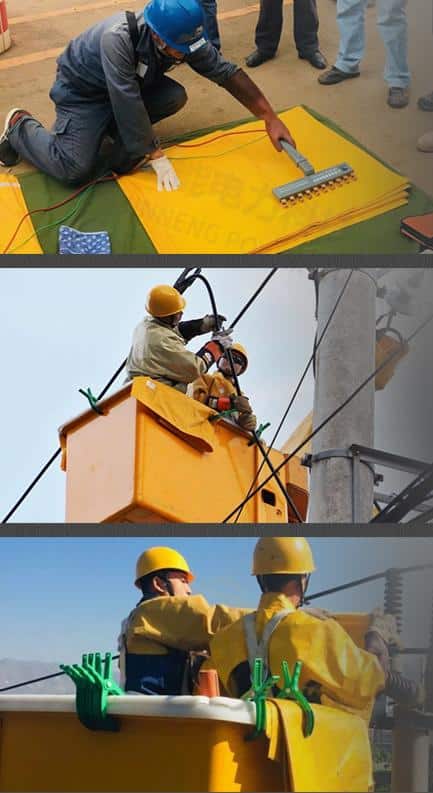
In practice, crews position blankets over or around energized components, so that if a tool slips or a worker shifts position, the first contact is with an insulating surface rather than bare metal.
Why High Voltage Blankets Matter in Electrical Safety
In high and medium voltage environments, the distance between normal operation and a severe incident can be just a few centimeters. Typical risks include:
- Accidental contact between a tool and an adjacent live part
- Phase-to-phase bridging by conductors or metallic objects
- Contact with grounded steelwork while approaching energized components
High voltage blankets reduce the exposure side of the “Risk = Hazard × Exposure” equation. They do not eliminate the electrical hazard itself, but they:
- Introduce a controlled, high-resistance barrier in predictable locations
- Allow work in “adjacent energized” zones with a higher safety margin
- Minimize the chance that a minor lapse turns into an arc flash or shock event
From a management perspective, properly specified and documented insulating blankets also demonstrate due diligence to regulators, insurers, and auditors.
Standards and Voltage Classes
High voltage blankets are not generic plastic sheets. They are governed by dedicated standards that define test methods, classification, and marking.
The two primary frameworks are:
- IEC 61112 – Live working – Electrical insulating blankets
- ASTM D1048 / D1049 – Specification for rubber insulating blankets
Under these standards, blankets are grouped into classes, each associated with a maximum operating voltage and specified test voltages. While details differ slightly between IEC and ASTM, the principle is consistent: higher class, higher withstand requirements.
Typical IEC class structure (indicative):
- Class 0 – up to 1 kV AC
- Class 1 – up to 7.5 kV AC
- Class 2 – up to 17 kV AC
- Class 3 – up to 26.5 kV AC
- Class 4 – up to 36 kV AC
Your procurement and safety documentation should always reference:
- The applicable standard (e.g. IEC 61112:2009)
- The selected voltage class
- Any required categories (e.g. resistance to acid, oil, ozone)
Material Composition and Design Features
The performance of high voltage blankets depends heavily on material formulation and construction.
Common material bases:
- Rubber/elastomer compounds – typically based on NR, EPDM, or blended elastomers for flexibility and dielectric strength
- Specialty polymers (e.g. EVA, reinforced PVC, silicone) – used where enhanced arc resistance, chemical resistance, or dimensional stability is required
Key design features:
- Thickness and weight: balanced between dielectric margin, mechanical durability, and ease of handling
- Surface texture: may be smooth for easy cleaning, or lightly textured to reduce slipping when wrapped around equipment
- Color: high-visibility colors such as orange or yellow are often used to reinforce the “no-go” zone and improve situational awareness
- Edge finishing and slots: slotted designs and reinforced edges make it easier to position blankets around cables, clamps, and irregular shapes
Well-engineered blankets combine high dielectric performance with practical handling in real field conditions—cold, heat, humidity, oil mist, and tight working spaces.
Typical Application Scenarios
High voltage insulating blankets are used wherever temporary, flexible insulation is needed around live parts:
- Substations and switchyards
- Covering busbars, jumpers, and connection points during maintenance work
- Metal-clad switchgear and control panels
- Shielding adjacent phases or earthing bars while racking in/out or testing
- Cables and terminations
- Wrapping terminations and joints where workers need to access nearby hardware
- Overhead lines and poles
- Protecting linemen working close to energized conductors and hardware
- Industrial plants and rail systems
- Creating temporary insulation barriers around exposed equipment during inspections or modifications
In many procedures, blankets are used in combination with line hoses, covers, insulating mats, and personal protective equipment to form a complete protective system.
Testing and Inspection Requirements
Because high voltage blankets are safety-critical, they are subject to defined routine and periodic tests.
Typical testing and inspection elements include:
- Dielectric tests
- Proof test at a specified AC (and sometimes DC) voltage
- Withstand test to verify no breakdown, flashover, or unacceptable leakage current
- Mechanical tests
- Tensile strength and elongation at break
- Tear resistance and puncture resistance
- Aging and environmental performance
- Resistance to ozone cracking
- Resistance to acids, oils, and other contaminants if required by category
- Visual inspection
- Before use and at defined intervals: check for cuts, cracks, abrasions, embedded particles, burns, and hardening
A robust maintenance program also covers:
- Defined re-test intervals (often 6–12 months depending on regulation and usage)
- Clear condemnation criteria and tagging for blankets taken out of service
- Record keeping for batch numbers, test results, and assignment to crews or assets
High Voltage Blankets vs. Insulating Mats
High voltage blankets and insulating mats are complementary, not interchangeable. The distinction matters for both safety and compliance.
| Dimension | High Voltage Blankets | Insulating Mats |
|---|---|---|
| Primary function | Temporary insulation around or over live parts | Permanent or semi-permanent insulation underfoot |
| Typical standard | IEC 61112 / ASTM D1048 | IEC 61111 / ASTM D178 |
| Form factor | Flexible sheet, wrap, or shrouding | Flat sheet or roll laid on the floor |
| Main use | Live-line work, substation/switchgear shielding, cable/termination coverage | Creating an insulated standing zone in front of panels and switchgear |
| Handling | Hung, wrapped, or draped; often used with clamps or straps | Laid and sometimes fixed to the floor |
A compliant electrical safety system normally uses both: mats to protect step and touch potential at floor level, blankets to protect in the workspace around energized parts.
How to Select the Right High Voltage Blanket
When specifying high voltage blankets for a fleet or project, treating them like commodity consumables is a common—and costly—mistake. A structured selection process should consider:
- System voltage and working method
- Determine the maximum voltage present where blankets will be used
- Match to the appropriate class under IEC 61112 or ASTM D1048
- Work environment
- Indoor substation, outdoor yard, industrial plant, rail environment, or vehicle workshop
- Exposure to oil, acids, cleaning agents, UV, or extreme temperatures
- Material and category
- General-purpose rubber for standard conditions
- Oil- and acid-resistant compounds for substations, transformer bays, and maintenance shops
- Size and configuration
- Standard square sizes (for example 560×560 mm, 800×800 mm, 910×910 mm, 800×1200 mm) or project-specific cuts
- Need for slotted designs, Velcro or gripping tape edges, or pre-punched holes for clamps
- Documentation and traceability
- Clear, permanent marking with standard, class, manufacturer, and batch
- Provision of type test reports, routine test certificates, and COA
- Integration with other PPE
- Compatibility with line hoses, covers, clamps, and storage systems already in use
A good specification makes it easy for crews to choose the correct blanket quickly, without guesswork in the field.
Maintenance, Storage, and Service Life
High voltage blankets are only as safe as their condition. Poor storage and handling can destroy dielectric performance long before the material “looks old”.
Best practices include:
- Storage
- Store blankets flat or loosely rolled, not sharply folded
- Keep away from direct sunlight, heat sources, and ozone sources (e.g. some motors)
- Use dedicated bags, cabinets, or racks to prevent mechanical damage
- Cleaning
- Use mild, non-solvent cleaners and clean water
- Remove grease, dust, and conductive contamination carefully
- Allow blankets to dry thoroughly before re-use or storage
- Handling
- Avoid dragging over sharp edges or rough concrete
- Do not place tools or metal objects on stored blankets
- Train crews to identify damage and remove questionable items from service immediately
Service life is not defined by age alone; it is defined by condition and test results. Some organizations use a nominal 3–5 year replacement horizon for heavy-duty service, combined with periodic dielectric tests in line with their safety rules.
Why Choose a Professional Manufacturer for High Voltage Blankets
For utilities, EPC contractors, and industrial users, working with an experienced manufacturer brings several advantages:
- Compliance by design
- Products designed and tested to relevant IEC/ASTM/GB standards
- Clear documentation for tenders, audits, and internal safety files
- Application-driven engineering
- Material and category selection tailored to substation, overhead line, rail, or EV/industrial environments
- Options for slotted blankets, reinforced edges, and special shapes
- Quality assurance and traceability
- Batch testing, retained samples, and full COA for each lot
- Consistent marking and labeling for fleet management
- Export and project experience
- Familiarity with inspection requirements, packing standards, and documentation for different regions
- Ability to support long-term framework agreements and multi-site rollouts
Positioning JINPOWER high voltage blankets within this framework allows you to move from ad-hoc purchases to a structured, auditable safety program.
FAQs about High Voltage Blankets
From Product to Program
High voltage blankets are not just items on a PPE list; they are engineered components of your electrical safety system. When combined with insulating mats, gloves, rods, portable earthing, and clear procedures, they significantly reduce the probability that a small mistake becomes a serious event.
To build a consistent, auditable approach, you should:
- Define the standards and classes that apply across your network
- Map typical tasks and locations where high voltage blankets are required
- Standardize sizes, materials, and categories for each voltage level and environment
- Set clear test, inspection, and replacement rules
Working with a specialized manufacturer such as JINPOWER allows you to move from fragmented purchasing toward a coherent, fleet-wide specification that supports both safety performance and regulatory compliance.