Essential PPE for High Voltage Electrical Work



Working around high voltage—whether it’s 11kV switchgear or a 33kV transformer yard—introduces serious risks that no technician should face unprotected. One unexpected arc, contact with energized parts, or even induction from nearby equipment can cause fatal injuries within seconds.
That’s why personal protective equipment (PPE) is essential. It creates a critical barrier between electrical energy and the human body, helping workers perform their duties safely during maintenance, inspection, switching, or fault response. In high-voltage environments, relying on general-purpose gear is not enough. Only voltage-rated PPE—designed specifically for electrical hazards—can offer reliable protection.
A high-voltage PPE system may include head, eye, hand, foot, and body protection. Selection should consider the actual electrical hazards, task, system voltage, shock exposure, arc-flash incident energy, and site conditions. Voltage is an important factor, but it should not be used alone to determine the complete PPE set.
Head Protection: Helmets and Face Shields
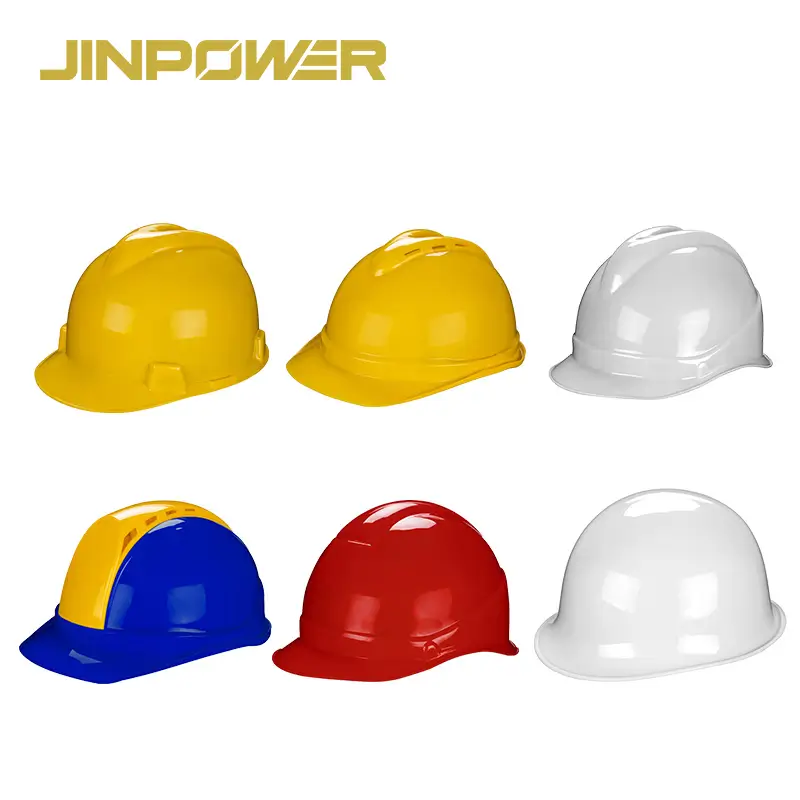
In high voltage electrical work, head protection is the first line of defense against falling objects, arc flash blasts, and accidental contact with energized components. A general-purpose hard hat may not provide the electrical protection required for energized work. Where electrical contact or arc-flash hazards exist, workers should use nonconductive head protection and compatible arc-rated face protection selected for the applicable hazard assessment and standard.
These helmets are typically made of non-conductive thermoplastic or fiberglass and are tested to withstand electrical shock and penetration. For environments where arc flash is a risk, the helmet should be paired with an arc-rated face shield that protects the eyes and face from thermal energy, flying debris, and intense light.
Some substation and switching yard scenarios require integrated helmet-face shield systems to ensure full coverage without gaps. Workers near 33kV switchgear, for instance, should always wear face protection with arc flash shielding capacity.
Proper fit and maintenance are also essential. Helmets must be worn with the suspension properly adjusted, and should be inspected regularly for cracks, wear, or UV damage. Replace immediately if compromised—especially in high-voltage zones where failure is not an option.
Eye and Face Protection Against Arc Flash
When working near high-voltage systems, especially during switching or fault clearing operations, the risk of arc flash is significant. To prevent serious injuries from intense heat, flying metal particles, and blinding light, workers must use arc-rated face shields and safety goggles designed for electrical work.
Arc-rated face protection should be selected according to the calculated incident energy or the PPE selection method required by the applicable electrical safety standard. System voltage alone does not determine the required cal/cm² rating. Depending on the assessed arc-flash exposure, protection may range from an arc-rated face shield with compatible head and neck protection to a full arc-flash hood.
For eye safety, arc-rated goggles or safety glasses should always be worn underneath face shields to protect against debris and secondary impact—especially in confined areas or underground substations.
Insulating Gloves and Sleeves for High Voltage Work
Electrical insulating gloves and sleeves are essential PPE when working on or near energized equipment. They serve as the direct barrier between a worker’s skin and high-voltage conductors, preventing current from entering the body. For voltages ranging from 11kV to 36kV, gloves must be selected and tested according to the required insulation class and task voltage.
For example:
- Class 1: maximum use voltage up to 7.5 kV AC.
- Class 2: maximum use voltage up to 17 kV AC.
- Class 3: maximum use voltage up to 26.5 kV AC.
- Class 4: maximum use voltage up to 36 kV AC.
The glove class must be selected according to the actual electrical exposure and applicable standard rather than simply matching the nominal system voltage.
Gloves must always be paired with leather protectors to guard against mechanical damage. In overhead or outdoor switchyards, insulating sleeves are also worn to protect the arms, especially when reaching over energized conductors or inside control panels.
Gloves should be visually inspected and air-tested before use. Under OSHA requirements, rubber insulating gloves must be electrically tested before first issue and at intervals of no more than six months after being placed in service, with additional testing required after certain events such as repair or suspected loss of insulating value. Local standards and site procedures may require different or more frequent testing.
Electrical Safety Footwear for High Voltage Environments
Insulating safety footwear is a critical line of defense when working in high-voltage areas such as substations, transformer yards, and underground cable vaults. These shoes prevent current from grounding through the worker’s body, especially in damp or conductive environments where step potential and touch potential are major risks.
Electrical safety footwear should be selected according to the specific shock, step-potential, environmental, and mechanical hazards at the worksite. Buyers should verify the applicable footwear standard, test voltage, construction, and intended use rather than selecting boots solely from the nominal voltage of the electrical system.
These boots are made from vulcanized rubber or composite materials with no conductive components (such as steel toe caps). Some models include arc flash protection, oil/acid resistance, and anti-slip soles for rugged terrain.
It’s important that boots are inspected regularly for cracks, cuts, or embedded debris. A single breach in the outer sole can compromise insulation and worker safety.
Flame-Resistant Clothing for High Voltage Tasks
Flame-resistant (FR) clothing is mandatory for anyone working near energized equipment where arc flash hazards exist. Unlike conventional workwear, FR garments are engineered to self-extinguish once the ignition source is removed, reducing the severity of burns and injuries in case of electrical faults.
Arc-rated clothing should be selected according to the arc-flash hazard assessment and the expected incident energy at the working distance. The arc rating of the clothing or PPE system should meet or exceed the required protection level determined for the task.
Do not select an 8, 25, or 40 cal/cm² system from nominal voltage alone. Equipment configuration, fault current, clearing time, working distance, and task conditions can significantly change the arc-flash exposure.
Common materials include inherently FR fibers like Nomex and modacrylic blends. Garments should also feature arc-rated closures, reinforced seams, and minimal exposed metal parts (e.g., zippers or snaps).
Proper layering and correct sizing are critical — loose-fitting clothing allows an insulating air gap, improving thermal protection.
Hearing and Respiratory Protection in High Voltage Environments
Hearing and respiratory protection may also be required in high-voltage environments when the hazard assessment identifies excessive noise, arc-blast exposure, smoke, vapors, particulates, or confined-space hazards. These PPE items are selected for the secondary hazard involved—not simply because the electrical system operates at a particular voltage.
Hearing Protection
The instantaneous sound pressure level generated by a high-voltage arc can exceed 140 decibels, far surpassing the threshold for permanent hearing loss. Protective equipment includes:
- Earplugs (NRR ≥ 25 dB) for routine substation tasks.
- Over-the-ear earmuffs or dual protection (plugs + muffs) for high-energy areas (33kV+).
- Use of dielectric earmuffs (non-conductive headbands) in energized environments to eliminate conduction risk.
Respiratory Protection
Respiratory PPE becomes critical during:
- Cable jointing in enclosed spaces;
- Insulating oil vapor exposure (e.g., from PCB-containing transformers);
- Smoke or gas release during fault events.
Recommended solutions include:
- Half-mask respirators with P100 or organic vapor cartridges;
- Full-face respirators or powered air-purifying respirators (PAPR) in oil/gas-laden zones;
- Escape hoods for emergency evacuation in toxic fume exposure zones.
Always ensure that respiratory equipment is certified, fits the user correctly, and is tested for seal integrity. The protective level should correlate with expected chemical or particulate exposure in the voltage-rated environment — especially for substations with aging infrastructure or confined access chambers.
PPE Layering and Compatibility Guidelines for High Voltage Electrical Work
Proper PPE layering and compatibility ensure not only comprehensive protection but also comfort, mobility, and operational safety in high-voltage environments. Every component — from the inner FR base layer to the outer arc-rated shell — must work together without compromising electrical insulation or flame resistance.
1. PPE Layering Should Follow the Hazard Assessment
PPE layering should combine the required shock protection and arc-flash protection without creating compatibility problems. The final ensemble should be based on the task, electrical exposure, incident energy, working distance, and applicable site procedures.
2. Compatibility Rules
- No exposed metal parts: Avoid zippers, snaps, or accessories that may conduct electricity.
- No synthetic underlayers: Materials like polyester or nylon can melt during an arc event.
- Dielectric integrity: Don’t wear PPE combinations that compromise the insulation barrier (e.g., leather gloves without inner insulating gloves).
- Mobility matters: Bulky layering must not restrict motion when accessing switchgear or climbing structures.
All PPE combinations should be validated with a risk-based PPE matrix, ideally verified through an arc flash hazard analysis.
Storage, Inspection, and Replacement of High Voltage PPE
Proper storage, inspection, and replacement protocols are essential to maintain the protective integrity of PPE used in high-voltage environments. Even the most advanced gear can fail if it’s damaged, degraded, or stored improperly — putting lives at risk.
1. Storage Guidelines
- Temperature & humidity: Store PPE in a cool, dry area, away from direct sunlight, extreme temperatures, or ozone sources (like motors or fluorescent lights).
- Contamination avoidance: Keep away from oil, grease, chemicals, or moisture. Store insulating gloves and mats flat or rolled (not folded) in ventilated cabinets.
- Organization: Use labeled compartments or PPE bags to avoid compression or contamination of arc flash suits, gloves, or dielectric boots.
- Isolation: Never store electrical PPE together with metal tools or contaminated workwear.
2. Inspection Checklist
Before each use, workers should inspect PPE for:
- Insulating gloves: Pinholes, swelling, stickiness, or cuts. Conduct air test or inflation test daily before use.
- Safety boots: Cracks in the sole, punctures, embedded metal objects, or excessive wear.
- Arc flash clothing: Faded fabric, torn seams, oil stains, or degraded labels.
- Helmets & shields: Scratches, cracked shells, damaged dielectric liners, or loose face shields.
- Respirators: Filter condition, seal integrity, and strap elasticity.
Frequency:
- Visual inspection: Daily
- Electrical testing: Follow the interval required for each type of insulating equipment and applicable standard. For example, OSHA requires rubber insulating gloves to be tested every six months after first issue, while sleeves and blankets have different maximum intervals.
- Manufacturer-guided: Follow replacement timelines even if no visible damage exists.
3. Replacement Triggers
- After arc flash event (even if no damage is visible)
- Beyond manufacturer shelf life
- Failure during routine dielectric or visual test
- Signs of stiffness, cracking, or discoloration
Replacement should be treated as preventive maintenance — not as a last resort.
High Voltage PPE Selection: Why Voltage Alone Is Not Enough
System voltage is one important input when selecting electrical PPE, especially for shock protection and insulating equipment. However, voltage alone cannot determine the complete PPE system. High-voltage PPE selection should also consider the task, exposure boundary, incident energy, available fault current, clearing time, working distance, and site conditions.
1. Low Voltage (≤1kV)
- PPE Focus: Shock protection, arc-rated clothing not always required
- Typical Gear:
- Basic insulated gloves (Class 00 or 0)
- Non-conductive footwear
- Safety glasses or visors
This range includes indoor panels, control cabinets, or basic low-voltage switchboards. While risks are lower, short-circuit energy can still be significant in confined spaces.
2. Medium Voltage (1kV–11kV)
- PPE Focus: Arc flash and shock protection
- Typical Gear:
- Class 1–2 gloves with leather protectors
- Arc-rated coveralls or FR layered clothing
- Dielectric boots and helmet with visor or shield
This range covers ring main units (RMUs), underground cables, and transformer access. PPE must provide both thermal and dielectric protection.
3. High Voltage (11kV–33kV)
- PPE Focus: High-energy arc protection, blast mitigation, full-body insulation
- Typical Gear:
- Full arc suit with hood
- Class 3–4 gloves + sleeves
- Multi-layer FR garments
- Dielectric helmets, boots, hearing & respiratory protection
These systems are common in utility substations and transmission nodes. The arc blast potential here is extremely dangerous and demands maximum PPE integrity.
4. Extra High Voltage (>33kV)
- PPE Focus: Total insulation, blast containment, secondary hazard protection
- Typical Gear:
- Full-body arc flash suits (ATPV ≥ 40 cal/cm²)
- Rubber gloves + oversleeves, dielectric shields
- Respiratory PPE, face hoods with anti-fog and anti-scratch lenses
Used in bulk power substations and grid transmission, PPE in this category must also account for potential secondary fires, toxic smoke, and electromagnetic exposure.
FAQs – High Voltage PPE Requirements
These frequently asked questions address key concerns and search intents related to personal protective equipment (PPE) for high voltage electrical work. All answers are tailored to practical use cases by voltage level, without referencing specific standards.
What PPE is needed for high voltage electrical work?
High-voltage electrical PPE may include rubber insulating gloves and sleeves, nonconductive head protection, eye and face protection, arc-rated clothing, protective footwear, and hearing protection where required. The exact PPE set must be selected from the shock and arc-flash hazards of the specific task rather than from system voltage alone.
What voltage rating is required for insulating gloves and boots?
- Gloves:
- Class 00: Up to 500V
- Class 0: Up to 1kV
- Class 1–4: From 7.5kV up to 36kV
- Boots:
- Dielectric footwear typically rated up to 20kV–35kV for shock protection.
Always match gloves and boots to your working voltage, with appropriate safety margins.
Do I need arc flash suits for 11kV or 33kV work?
Not solely because the system is 11 kV or 33 kV. Whether an arc-flash suit is required depends on the arc-flash hazard assessment and the incident energy expected at the working distance. Where arc-rated PPE is required, its arc rating must provide the protection level specified for the task.
What type of helmet or face protection is used in high-voltage work?
- For low voltage (<1kV): Standard electrical helmets with chin strap.
- For 1kV–33kV: Helmets fitted with arc-rated face shields or full arc hoods.
- Above 33kV: Use integrated face hoods, dielectric helmets, and optional neck protection.
Protection must cover the entire face and front neck, as arc blasts can be fatal at close range.
How often should high-voltage PPE be replaced or tested?
- Visual inspection: Daily
- Glove dielectric test: Every 6 months
- Face shields/helmets: Inspect before use and replace according to manufacturer instructions, applicable standards, damage, aging, or exposure history.
- Boots: Replace at first sign of cracking, delamination, or worn insulation
If gear has been exposed to an arc flash event, it must be replaced immediately, even if undamaged.