
Electrical Safety Equipment: Comprehensive Guide for LV, MV, and HV Systems
Electrical Safety Equipment: Comprehensive Guide for LV, MV, and HV Systems is your single, practical map for planning, buying, using, and maintaining safety gear across low, medium, and high-voltage environments. We’ll link risks to controls, explain what each piece of equipment actually does, and show you how to build repeatable workflows that stand up to audits and real-world pressure. Read it as a blueprint: start broad, then dive into the items you need most for substations, switchgear rooms, and cable worksites.
Voltage Classes & Risk Profile (LV/MV/HV/EHV)
Industry practice commonly groups systems into LV (low-voltage), MV (medium-voltage), HV (high-voltage), and EHV (extra-high-voltage). As voltage rises, the dominant risks shift: shock remains, but creepage, tracking, and arc-over distance become increasingly critical. Even when equipment is isolated, trapped charge and induced voltage can persist in cables, busbars, or adjacent circuits. That’s why “prove dead, then earth” isn’t superstition; it’s physics plus discipline. Plan work around safe approach distances, visible points of isolation, and clear identification of earthing points so nobody “assumes safe” and steps into harm.
The Hierarchy of Controls & Roles
Think of safety as a ladder: eliminate the hazard first (remote operations, de-energization), then substitute (use safer methods), build engineering controls (interlocks, barriers), add administrative controls (SOPs, permits, signage), and only then rely on PPE (personal protective equipment). PPE is essential but never the first line of defense. Responsibilities must be explicit:
- Management/HSE set policies, budgets, and audit cadence.
- Engineers/Planners choose equipment, calculate arc energy, define earthing schemes.
- Frontline teams perform checks, wear and care for PPE, and challenge unsafe conditions.
When each rung is visible and owned, incidents shrink from “surprise events” to “preventable exceptions.”
Equipment Landscape by Function
Touch Protection
Insulating gloves are graded by class to match system voltage. Before every shift: quick inflate, visual check, confirm date markings. Insulating boots protect against step and touch potentials but don’t replace sound earthing or mats. Portable earthing & short-circuiting devices create a low-impedance path that dumps residual charge and clamps induced energy; size conductors for prospective fault current and duration, and match clamps to conductor geometry.
Arc-Flash PPE
Arc events release extreme heat, pressure, and light. Select arc-rated suits, hoods, face shields, balaclavas, and outer gloves that match the calculated incident energy at the work location. Coverage is everything: seal gaps at the neck, wrists, and hem; avoid exposed metal items. Face shields should maintain optical clarity after cleaning; if visibility is poor, workers will “work around” protection, which defeats the point.
Insulation & Isolation
Insulating mats help manage step potential; size and place them to cover feet positions and likely movement paths. Operating sticks (hot sticks) and insulated rods provide reach and isolation; keep them clean and dry, store in cases or racks to avoid contamination that reduces surface resistance. Insulated ladders and temporary barriers shape safe zones and keep non-authorized people out of danger envelopes.
Test & Measurement
Voltage detectors are for proving dead, not for general measurement. Phase comparators ensure correct phase matching before paralleling or switching. Insulation resistance testers and earth resistance testers trend asset health and verify safe system conditions. The golden order is simple and non-negotiable: prove dead → apply earths → commence work—with written records every time.
Rescue & Emergency
Rescue hooks help remove a shocked person without endangering rescuers. A stocked first-aid kit and ready AED cut response time during the “golden minutes.” Emergency lighting, clear egress routes, and reliable comms (radios, phones) enlarge the safety margin when stress peaks.
Standards & Compliance Essentials
Different regions may emphasize different codes, but the core asks are consistent: dielectric strength, mechanical integrity, flame resistance, correct markings, documentation, and routine testing. For due diligence, check that each product bears clear labeling (model, class/voltage, batch, manufacture and/or test date) and that supplier documents include instructions, conformity notes, and test certificates.
Selection Method (High-Level)
This guide stays panoramic, but here’s a fast framework that bridges risk to gear:
- Define the task and system state: live/de-energized, LV/MV/HV location, switching vs. maintenance.
- Map environment: indoor/outdoor, wet/dusty, tight spaces, visibility, temperature.
- Quantify risk: approach distances, incident energy, induced voltage potential.
- Build the control stack: engineering barriers, lockable isolation, signage, then PPE.
- Fit & ergonomics: sizes, weight, field of view, dexterity.
- Testing & upkeep: calibration, dielectric re-tests, ease of tagging and logging.
- Documentation: certificates, instructions, inspection forms for audits.
For a deeper, scenario-specific pathway, spin off a dedicated substation and cable-work selection guide that turns this framework into a step-by-step checklist.
Substation Operations Checklist
Substations concentrate MV/HV energy and complexity. Use a checklist to take pressure off memory:
- Before operations: confirm permits, up-to-date single-line diagrams, status tags, and access control.
- Isolation & proof: open, lock, and tag visible isolation points; use a voltage detector to prove dead at the point of work.
- Earthing: apply portable earthing at approved points; double-verify clamp placement and tightness.
- Switching: use insulated operating sticks; enforce two-person verification and clear voice/hand signals.
- Arc-flash management: calculate or reference incident energy; issue arc-rated PPE accordingly; restrict boundaries with barriers.
- Return to service: remove earths in the correct order, restore tags, update logs, and run a brief after-action review.
Cable-Work Practices
Cables bring unique hazards—moisture, induced voltages over long runs, cramped pits, and mixed public traffic:
- Excavation & signage: isolate work areas with barriers and high-visibility signs; prevent public intrusion.
- Proving dead & earthing: test at the open point and at the workface; apply temporary earths to manage induced energy.
- Underfoot control: deploy insulating mats where workers stand and move.
- Testing safety: for withstand, insulation resistance, or partial-discharge testing, define evacuation distances and radio silence windows.
- Moisture control: keep connectors, tools, and PPE dry; pack wipes and sealed storage.
- Night work: ensure conspicuous high-vis garments, lighting towers, and reflective markers along access paths.
Inspection, Testing & Re-Test Cycles
A tool’s value lives in its condition, not its purchase date. Build a three-step habit:
- Pre-use inspection: visual checks, inflation for gloves, function self-tests for detectors, date and class verification.
- Periodic testing/calibration: follow manufacturer/standard intervals for dielectric testing, calibration, and structural checks.
- Retirement criteria: damage, contamination, failed tests, or expired intervals trigger immediate withdrawal and replacement.
Digitize it: tag assets with RFID/QR codes so your log can auto-remind re-test dates and produce reports on demand.
Training & Competence
SOPs (Standard Operating Procedures) make steps repeatable. LOTO (Lockout/Tagout) turns isolation into a visible, traceable state. Adopt the two-person rule for switching and for applying/removing portable earths. Run quarterly drills for shock, arc-flash, fire, and comms failure; log outcomes and close actions. Competence isn’t a one-time certificate—it’s a loop of practice, feedback, and refresh.
Storage & Care
Keep gear clean, dry, and shaded. Avoid crushing or sharp edges on sticks and mats. Use mild cleaners per the instructions—harsh solvents can degrade polymers and coatings. After cleaning face shields or visors, let them dry fully to keep optical clarity. Maintain a chain of custody: goods-in inspection, issue records, pre-use checks, periodic tests, and end-of-life tags.
Frequent Mistakes & Lessons Learned
- PPE over-reliance: skipping engineering controls turns predictable risk into personal risk.
- Voltage mismatch: gloves/mats/sticks under-rated for the actual task.
- Out-of-date gear: certificates present, but re-tests overdue.
- Missing earthing: de-energized work started without temporary earths.
- Wrong tool, wrong job: using a multimeter to “prove dead,” or using non-rated tools near live parts.
- Paper trail gaps: after incidents, absent logs cripple learning and liability clarity.
Cost & Lifecycle (TCO)
Safety economics = purchase + re-tests/calibration + cleaning/consumables + storage + downtime risk. Higher-quality kit often wins on total cost by lasting longer and failing less. For rarely used specialty instruments, consider shared pools—but never share without verifiable condition reports and calibration stickers.
FAQs
1) What is the main outcome of the Electrical Safety Equipment: Comprehensive Guide for LV, MV, and HV Systems?
It connects voltage-class risks to the right gear and workflows, so teams can select, use, and maintain equipment with confidence and audit-ready records.
2) If a system is isolated, why do we still need portable earthing?
To discharge trapped and induced energy. The safe sequence is prove dead → apply earths → start work.
3) How do I decide on arc-flash PPE levels?
Use your incident-energy study or calculated tables for the task location, then choose PPE equal to or above the required value—and make sure coverage is complete.
4) Can a multimeter replace a voltage detector for proving dead?
No. A multimeter measures; a voltage detector confirms absence of voltage and is purpose-built for that safety step.
5) How often should we re-test or calibrate electrical safety equipment?
Follow the manufacturer/standard interval and your usage profile. Use RFID/QR logs to trigger reminders and block overdue items from issue.
6) What’s a low-cost, high-impact improvement we can implement this month?
Standardize SOPs and call-outs, enforce two-person checks for switching, and stand up a simple asset log with re-test reminders.

Built for switchgear rooms, substations, electrical panels, and other insulated standing areas where step protection and surface insulation are required.

Includes insulating gloves, insulating boots, sleeves, helmets, and other personal protection products for electrical work.

Designed for temporary grounding, discharge, and maintenance isolation work, including portable earthing kits, grounding sticks, and grounding cables.

Made for safe operation in energized environments, including hot sticks, rescue hooks, insulating ladders, and related insulated tools.
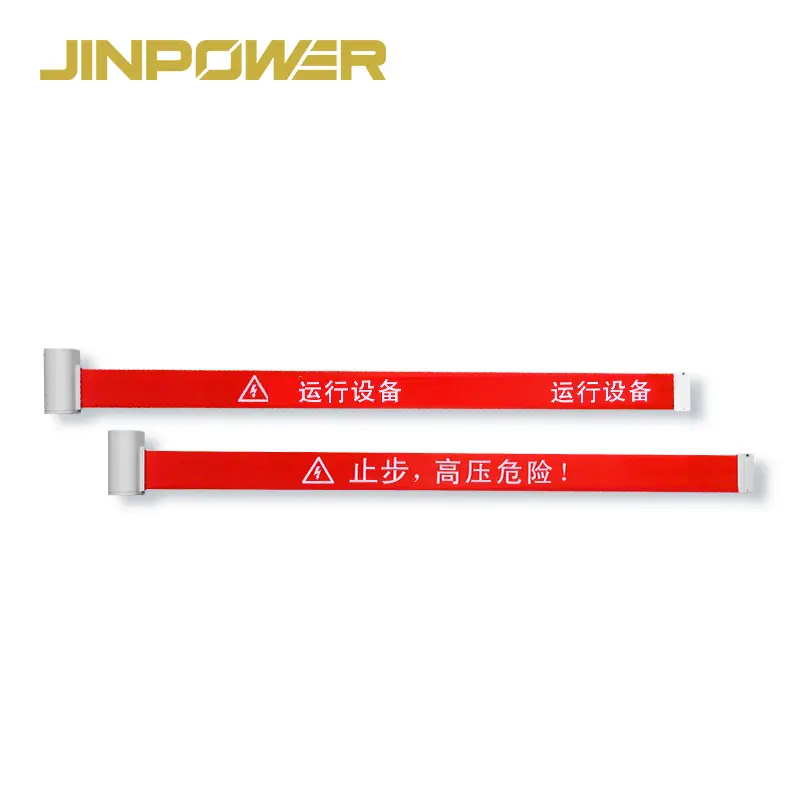
Supports safer jobsite organization with warning barriers, safety markings, protective zone products, and related accessories.

Used for voltage verification before work begins, helping field teams confirm de-energization and reduce operating risk.

Helps teams store, protect, organize, and manage safety tools through cabinets, climate control storage, and smart equipment systems.
