Electrical Rescue Hook Requirements for High-Voltage Safety Compliance
This article outlines the regulatory requirements, operating principles, and proper use of electrical rescue hooks in high-voltage environments, providing a complete guide to ensuring compliance and protecting personnel during electrical emergencies.
Why Electrical Rescue Hooks Are Mandatory in High-Voltage Environments
In any facility where electrical systems exceed 50 volts AC or 120 volts DC—such as substations, power plants, testing laboratories, or switch rooms—electrical rescue hooks are not optional; they are aessential for safety These insulated tools are designed to safely pull a person away from energized components if they accidentally contact them, minimizing the risk of secondary injuries to the rescuer.
Key Placement & Accessibility
Mount rescue hooks in visible, easily accessible locations—typically near switchboards, transformers, or control panels—so rescuers can reach them within seconds during an emergency. Their long, insulated shaft allows rescuers to maintain a safe working distance from the electrical hazard, reducing exposure to live voltage.
Integration with Other PPE
For maximum safety, rescue hooks are often used alongside other personal protective equipment such as insulating gloves rated for the site’s maximum voltage, dielectric footwear, and rubber safety mats. Together, they form part of a complete live-line safety protocol.
Implementing the right rescue hook parameters—covering minimum insulation ratings, length, and mechanical strength—ensures your electrical teams can respond quickly and safely when every second counts.
What an Electrical Rescue Hook Is and What It Does
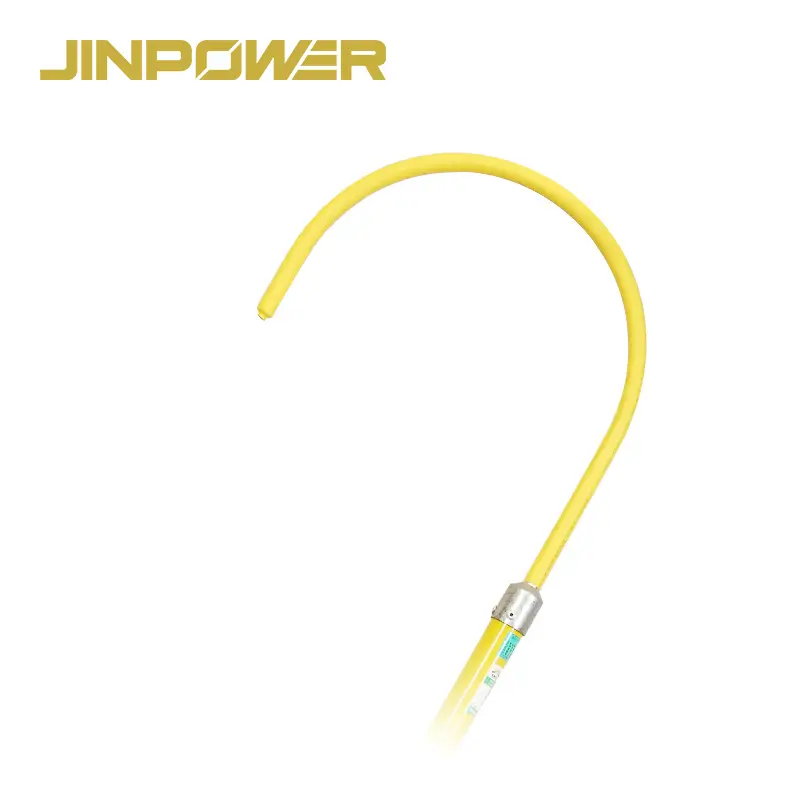
An electrical rescue hook—sometimes called a safe hook rescue tool—is a non-conductive pole with a curved end, designed to pull a person away from energized equipment in an electrical accident. Its primary function is to allow a first responder to intervene quickly and safely without direct physical contact with the victim, who may still be in contact with a live circuit.
The hook is typically constructed from high-dielectric fiberglass or similar insulated materials, rated for up to kV-level applications, depending on the facility’s operational voltage. The pole length is designed to maintain safe clearance distances—commonly between 1.5 and 2 meters—ensuring the rescuer stays outside the electrical arc flash boundary.
In practical terms, when a worker suffers electrical contact and collapses near live equipment, the rescue hook is used to gently but firmly drag the individual out of the danger zone, allowing others to provide CPR or medical assistance once they are safely removed from the electrical source.
Using a rescue hook is not only a technical requirement; it is a life-saving measure. It serves as a silent but essential standby in environments where electricity is both necessary and hazardous.


How to Use an Electrical Rescue Hook Properly
Knowing how to use an electrical rescue hook can mean the difference between a rapid intervention and a compounding tragedy. In high-voltage emergencies, procedures must be clear, practiced, and aligned with internal safety protocols.
Recommended Usage Procedure:
- Assess the Situation: Immediately identify if the victim is in contact with live equipment. Never touch the person directly.
- Wear PPE: Wear insulated gloves, dielectric boots, and an insulating mat before approaching.
- Grip the Rescue Hook Firmly: Stand outside the minimum approach distance (as defined by voltage level) and maintain proper posture for leverage and control.
- Hook Under the Arm or Around the Ankle: Choose the point of contact that offers the most secure grip and least resistance. Avoid neck or torso pulls unless necessary.
- Pull the Victim Away Smoothly: Use steady force to drag the individual out of the hazard zone without sudden jerks or rotations.
- Move to Safety and Administer Aid: Once clear of live equipment, initiate CPR or first aid if qualified, or wait for emergency responders.
Conduct regular emergency response drills in your facility to ensure all staff members know how to use rescue hooks in various scenarios. Never use the hook without supporting safety equipment, and never use it to replace professional emergency services—but it remains your first line of defense during the critical first seconds after an incident.
Key Requirements for Design, Material, and Placement
To meet international safety standards and perform effectively during emergencies, electrical rescue hooks must meet strict design and placement requirements. Regulatory bodies such as OSHA, NFPA, IEC, and local workplace safety codes often outline these specifications, particularly for facilities handling high-voltage electrical systems.
Design & Material Requirements:
- Insulating Construction: Rescue hooks must be manufactured from non-conductive, high-dielectric materials such as fiberglass-reinforced polymer (FRP) or epoxy resin composites.
- Rated for Voltage Exposure: Depending on your operating environment, the rescue hook should be rated to withstand 10kV–45kV, or more, without surface breakdown.
- Sufficient Length: Commonly 1.5 to 2 meters, allowing responders to maintain a safe clearance from energized equipment during a rescue.
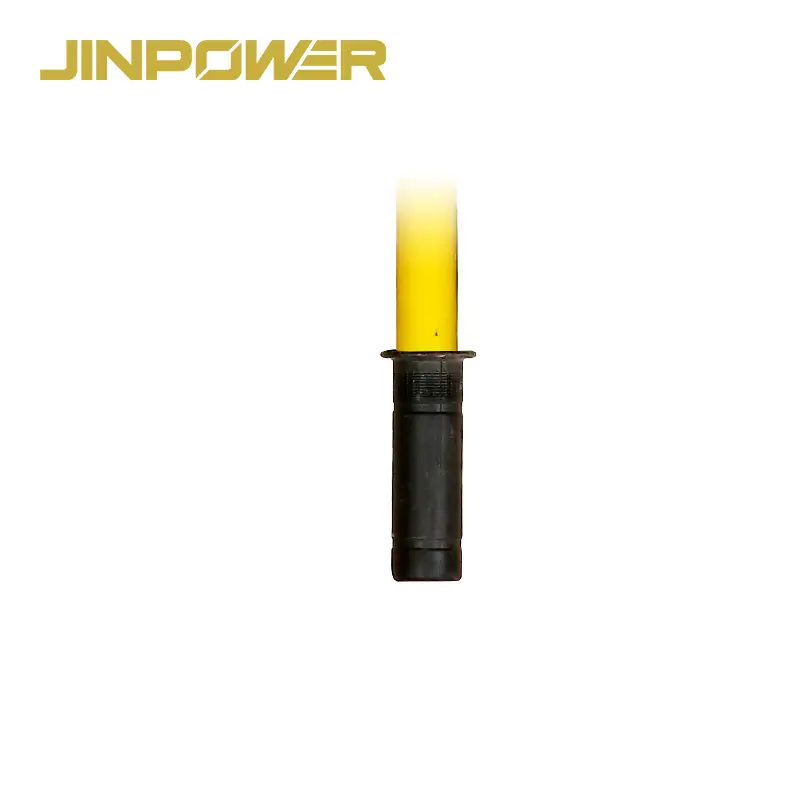
- Ergonomic Grip: The shaft should include a non-slip handle or textured surface for better control during high-stress rescues.
- Curved Hook End: The hook must be wide enough to catch around limbs or under the torso without piercing or injuring the person being rescued.
Placement Requirements:
- Visible and Accessible Location: Mount the rescue hook at eye level near switchboards, transformers, or high-voltage cabinets, clearly labeled and unobstructed.
- Warning Signage: Placement should include clear “Rescue Hook” or “Emergency Use Only“ signage with a pictogram, often in red or yellow safety colors.
- Indoor/Outdoor Protection: In outdoor substations or exposed areas, store rescue hooks in sealed, UV-resistant tubes or wall-mounted cases to protect them from moisture, heat, or dust contamination.
- Routine Access Drills: Staff must be trained not only on how to use the hook, but also on where to find it instantly in an emergency.
By meeting these electrical rescue hook requirements, your facility strengthens both regulatory compliance and frontline safety capabilities—ensuring tools are not only available, but also usable in the moments that matter most.
Inspection, Maintenance, and Training Protocols
An on-site electrical rescue hook is only effective if it remains in proper working condition and your personnel know how to use it under pressure. That’s why regular inspection, maintenance, and training are essential components of your facility’s electrical safety.
Inspection and Maintenance Guidelines:
- Visual Checks (Monthly): Inspect the entire length of the hook for cracks, delamination, surface contamination, or discoloration. Pay close attention to the insulating shaft and hook end.
- Surface Cleaning: Wipe down using non-abrasive, non-conductive cleaning solutions. Avoid solvents that could degrade the fiberglass or insulation integrity.
- Dielectric Testing (Annually or as required): Depending on local regulations, conduct insulation resistance or withstand voltage tests to verify continued safety under load conditions.
- Protective Storage: Keep the hook in a dedicated wall-mounted case or sealed protective tube, away from direct sunlight, chemicals, or mechanical stress.
Rescue Training Protocols:
- Initial Training for All Staff: Every team member working near energized equipment should receive formal instruction on using the rescue hook, including safety distances, PPE use, and post-rescue procedures.
- Simulation Drills: Conduct rescue simulations at least twice a year to reinforce response times and procedural accuracy.
- Role Assignment: During each shift, assign a designated first responder to initiate rescue in case of electrical contact emergencies.
Failing to maintain the rescue hook or neglecting staff readiness may result in non-compliance with OSHA or other safety authorities—and more critically, it puts lives at risk. A well-maintained rescue hook, supported by trained personnel, ensures your operation is not only prepared but fully protected.
Why Choose JINPOWER Electrical Rescue Hooks
As a professional manufacturer of high-voltage safety tools, JINPOWER understands the critical importance of quality, compliance, and reliability in life-saving equipment like electrical rescue hooks. When you choose JINPOWER, you’re not just sourcing—you’re partnering with a manufacturer that prioritizes safety, precision, and your operational needs.
What Sets JINPOWER Apart:
- Compliance-First Design: Every rescue hook is engineered to meet or exceed OSHA, IEC, and NFPA safety standards. We conduct full dielectric testing, labeling, and batch inspections before shipment.
- Premium Insulation Materials: Our hooks are constructed from high-dielectric fiberglass-reinforced polymers, ensuring long-term performance in the most demanding environments.
- Customization Options: Need branded labeling, length adjustments, or packaging in your local language? We offer OEM/ODM services tailored to your market requirements.
- Global Export Experience: We’ve successfully supplied electrical safety tools to utility providers, contractors, and industrial clients across Africa, the Middle East, Southeast Asia, and South America.
- Reliable Supply & Fast Lead Time: With in-house production and strict QC systems, we ensure stable availability and fast delivery, even for bulk orders.
Whether you’re equipping a new fire station, upgrading your safety stock, or launching your own branded line of rescue tools, JINPOWER delivers the certified performance and flexible service you need—with the professionalism your market expects.
FAQ: Electrical Rescue Hook Usage and Compliance
Q1: What is an electrical rescue hook used for?
A: An electrical rescue hook is used to safely pull an electrocuted person away from energized equipment without physical contact, preventing secondary injury during high-voltage incidents.
Q2: Do safety standards require rescue hooks?
A: Yes. Regulatory bodies such as OSHA, IEC, and NFPA require rescue hooks in any area where employees work near live electrical systems, typically above 50V AC.
Q3: How do I use an electrical rescue hook correctly?
A: Wear proper PPE, stand on an insulated mat, and use the hook to pull the victim to safety from a distance—never touch them directly. Regular training and simulation drills are recommended.
Q4: Where should a rescue hook be installed?
A: Rescue hooks must be mounted in clearly visible and accessible locations, such as near switchboards, control rooms, or substations, with proper signage and within reach during emergencies.
Q5: How often should rescue hooks be inspected?
A: Conduct monthly visual checks and annual dielectric testing (or per your local regulation). Keep hooks clean, free of surface damage, and stored in protective holders.