
How Long Does It Take to Fix a Blown Transformer?
A blown transformer may take a few hours to assess and restore if the problem is limited to a fuse, connector, cable termination or external accessory.
A repair involving bushings, cooling equipment, controls or oil processing may take one or more days. If the transformer has serious internal winding, core, insulation or tank damage, it may need to be replaced.
When a compatible spare is available, replacement may take a day or several days. When a new transformer must be manufactured, the full process may take many months or longer.
The most important point is this:
Power restoration time is not always the same as transformer repair time.
A utility may reroute power or install temporary equipment before the damaged transformer is permanently repaired or replaced.
Quick Answer: Transformer Repair and Replacement Time
| Situation | General Planning Range | What Usually Happens |
|---|---|---|
| Fuse, cutout or external connection problem | Several hours | Inspection, component replacement, testing and re-energization |
| Bushing, fan, pump, control or cable termination repair | Several hours to several days | Parts replacement, oil handling and electrical testing |
| Distribution transformer replacement with a compatible spare | One day to several days | Isolation, removal, installation, cable work and testing |
| Large transformer replacement with an available spare | Several days or longer | Transport, crane work, assembly, oil processing and commissioning |
| No compatible spare available | Many months or longer | Engineering, manufacturing, factory testing, transport and installation |
These are general planning ranges, not guaranteed repair times.
The actual timeline depends on transformer type, fault severity, spare availability, site access, weather, testing requirements and local operating procedures.
What Does “Blown Transformer” Mean?
“Blown transformer” is a common expression, but it is not a technical diagnosis.
It may describe:
- A blown fuse or cutout
- A damaged cable connection
- A failed bushing
- A cooling fan or pump problem
- An oil leak
- Internal insulation failure
- Winding or core damage
- Tank rupture, fire or impact damage
Some of these faults can be repaired on site. Others require factory-level repair or complete transformer replacement.
The repair team must inspect and test the transformer before giving a reliable completion time.
Power Restoration Time vs Transformer Repair Time
Customers may receive electricity again before the transformer repair is complete.
| Situation | How Power May Be Restored | Permanent Work Still Required |
|---|---|---|
| Distribution network fault | Customers are transferred to another feeder | Repair or replace the failed transformer |
| Industrial facility fault | Backup generation or alternate supply is used | Diagnose and repair the transformer |
| Substation transformer failure | A spare transformer or mobile substation is installed | Complete permanent replacement and commissioning |
| Partial equipment fault | The damaged section is isolated | Replace the failed component and complete testing |
For this reason, a short power outage does not always mean the transformer was fully repaired in that time.
Transformer Repair Time by Fault Type
External or Auxiliary Faults
External faults are often faster to repair than internal transformer damage.
Examples include:
- Fuse or cutout operation
- Loose or damaged connectors
- External cable termination problems
- Cooling fan or pump failure
- Control component failure
- Wildlife or debris contamination
These problems may be repaired within several hours when the correct parts and qualified crew are available.
However, the equipment still needs to be isolated, checked, tested and approved before it is energized again.
Repairable Transformer Faults
Some faults need more parts, oil handling and testing.
Examples include:
- Bushing replacement
- Limited lead repair
- Oil filtration or degassing
- Cooling system repair
- Control cabinet repair
- Minor gasket or oil leak treatment
These repairs may take several hours or several days.
The timeline depends on part availability, oil condition, test results and site access.
Major Internal Failure
Major internal faults often require factory repair or complete replacement.
Examples include:
- Winding damage
- Core damage
- Internal insulation failure
- Serious tank damage
- Fire or major impact
- Repeated internal faults
In these cases, the main question is often not how fast the crew can work. It is whether a compatible replacement transformer is available.
Transformer Type Makes a Major Difference
A small distribution transformer and a large substation transformer do not have the same repair timeline.
| Transformer Type | Typical Location | Main Timeline Issue |
|---|---|---|
| Pole-mounted distribution transformer | Residential and local distribution networks | Crew access and spare availability |
| Pad-mounted transformer | Commercial, residential and industrial areas | Cable terminations and compatible replacement |
| Dry-type transformer | Buildings and industrial facilities | Indoor access, ventilation and replacement parts |
| Industrial power transformer | Factories and plants | Production shutdown, testing and special configuration |
| Large substation transformer | Utility and transmission substations | Heavy transport, crane work, oil processing and long procurement time |
A stocked pole-mounted transformer may be replaced relatively quickly.
A large power transformer may require special transport permits, lifting plans, foundation work, oil treatment and extensive testing.
What Determines Transformer Restoration Time?
| Factor | How It Affects the Timeline |
|---|---|
| Fault severity | External faults are usually faster to repair than winding, core or tank damage |
| Transformer type | Small distribution units are easier to replace than large substation transformers |
| Spare availability | A compatible spare can greatly reduce outage time |
| Manufacturing lead time | New or custom transformers may require many months or longer |
| Site access | Roads, crane access, working space and permits affect replacement work |
| Weather | Wind, rain, snow, flooding and heat may delay outdoor work |
| Cable and foundation damage | Civil work or cable replacement can extend the outage |
| Oil and environmental controls | Oil leaks, fire residue and contamination need additional handling |
| Testing and commissioning | Electrical and protection tests are required before energization |
| Specialist availability | Rigging, oil processing and testing specialists may be needed |
| Network flexibility | Alternate feeders or temporary equipment may restore power sooner |
Recent industry assessments have reported long manufacturing lead times for new transformers. Distribution transformer orders may take a year or longer in some markets, while large power transformers can take several years.
This is why utilities and industrial sites often keep strategic spares or standardize transformer specifications.
When Can a Transformer Be Repaired?
Repair may be practical when the problem is limited to:
- External accessories
- Replaceable bushings
- Cooling equipment
- Control components
- Cable terminations
- Minor seals or oil leaks
- Localized damage with no major winding or core failure
The decision should be based on inspection and test results.
Transformer age, repair cost, downtime, spare availability and expected service life should also be considered.
When Is Full Replacement More Practical?
Replacement may be preferred when there is:
- Serious winding damage
- Core damage
- Major internal insulation failure
- Tank rupture
- Extensive fire damage
- Repeated serious failure
- No practical source of replacement parts
- Repair cost close to the value of a replacement unit
A compatible spare can reduce outage time. Without a spare, engineering and manufacturing may become the longest part of the project.
How Power May Be Restored Before Permanent Repair
Utilities and industrial facilities may use temporary restoration methods when the network design and equipment allow it.
These may include:
- Transferring load to another feeder
- Using a bus tie or alternate circuit
- Installing a compatible spare transformer
- Deploying a mobile substation
- Using temporary generation
- Prioritizing critical loads
- Isolating only the damaged equipment section
These options depend on system design, protection coordination, equipment compatibility and approved operating procedures.
They are not available at every site.
Electrical Safety Readiness During Transformer Work
Transformer inspection and replacement require controlled isolation, voltage verification, temporary grounding, PPE and work-zone management.
Typical safety equipment may include:
- A suitable high voltage detector for voltage verification
- Portable earthing and short-circuit kits for temporary grounding
- An approved hot stick for switching or remote operation
- Properly selected electrical insulating gloves
- Electrical insulating mats where an insulated standing area is required
- Barriers, warning signs and controlled work-zone products
The equipment must match the voltage environment, task and site procedure.
Follow local regulations and your site safety procedure.
How Facilities Can Reduce Transformer Downtime
Facilities cannot prevent every failure, but they can prepare for faster recovery.
Useful preparations include:
- Keeping current transformer drawings and nameplate data
- Identifying compatible spare units
- Stocking common fuses, bushings and accessories
- Preparing crane and transport plans
- Maintaining cable and foundation records
- Keeping electrical safety tools inspected
- Recording emergency supplier contacts
- Reviewing temporary power options
- Standardizing equipment across multiple sites where practical
Good preparation shortens the time needed to diagnose the fault, find parts and organize the work.
FAQ About Blown Transformer Repair Time
How long does it take to replace a distribution transformer?
If a compatible spare, crew and equipment are available, replacement may be completed within several hours or a few days.
Weather, access problems, damaged cables and multiple outages can extend the timeline.
Does restored power mean the transformer has been repaired?
Not always.
Power may be restored through feeder switching, a spare transformer, mobile equipment or temporary generation while permanent repair continues.
Can a blown transformer be repaired on site?
Some external components and limited faults can be repaired on site.
Internal winding, core or major tank damage usually requires factory repair or replacement.
Why can transformer replacement take months?
The delay may include engineering, material sourcing, manufacturing, factory testing, transport, installation and commissioning.
The process is much longer when no compatible spare exists.
How long does it take to replace a large power transformer?
Physical installation may take days or weeks when a compatible spare is available.
Sourcing and manufacturing a new large transformer may take several years in difficult supply conditions.
What delays transformer repair after a storm?
Common delays include high fault volume, limited crews, blocked roads, flooding, wind, damaged poles, cable faults and regional demand for replacement equipment.
When is replacement better than repair?
Replacement may be more practical after serious winding, core, insulation, tank or fire damage, repeated failures or when repair cost and downtime are too high.
Final Answer
There is no single repair time for a blown transformer.
A simple fuse or external connection problem may be handled within several hours.
A repairable transformer component may take one or more days.
A compatible spare transformer may allow replacement within a day or several days.
Major internal damage can take much longer. When a new transformer must be manufactured, the procurement and replacement process may take many months or even several years.
Remember that restoring electricity and permanently repairing the transformer are not always the same job.
Preparing Safety Equipment for Transformer Maintenance?
JINPOWER supplies voltage detection, temporary grounding, insulated operating tools, electrical PPE and area-control products for transformer and substation maintenance.
Tell us your voltage environment, maintenance task, grounding configuration, required PPE, quantity and documentation needs.
We can help you match suitable electrical safety equipment for transformer inspection, isolation and maintenance work.
Get Electrical Safety Equipment Support
Related guide: Substation Electrical Safety Solutions

Built for switchgear rooms, substations, electrical panels, and other insulated standing areas where step protection and surface insulation are required.

Includes insulating gloves, insulating boots, sleeves, helmets, and other personal protection products for electrical work.

Designed for temporary grounding, discharge, and maintenance isolation work, including portable earthing kits, grounding sticks, and grounding cables.

Made for safe operation in energized environments, including hot sticks, rescue hooks, insulating ladders, and related insulated tools.
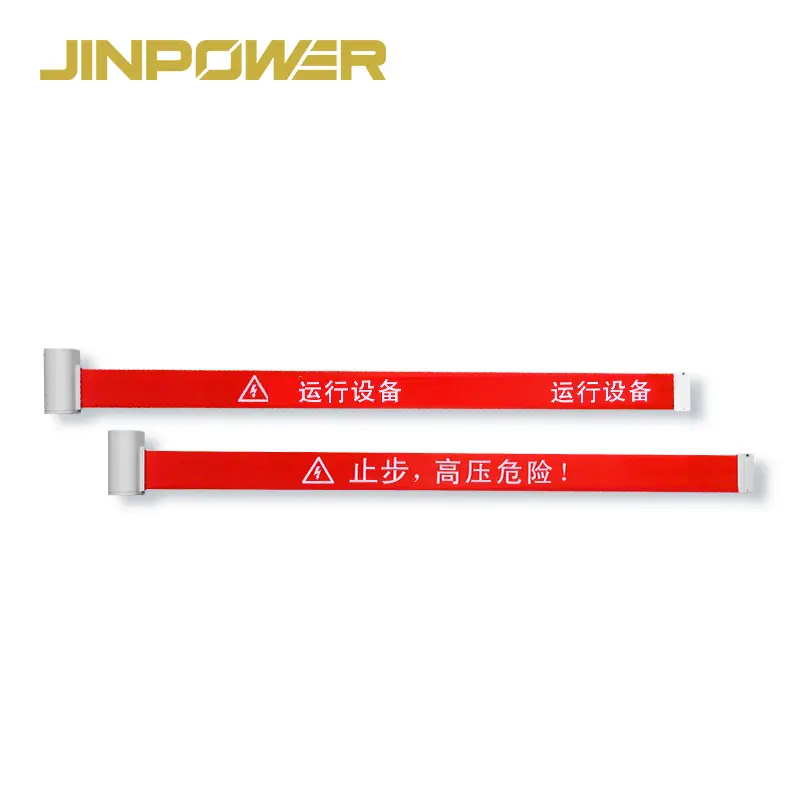
Supports safer jobsite organization with warning barriers, safety markings, protective zone products, and related accessories.

Used for voltage verification before work begins, helping field teams confirm de-energization and reduce operating risk.
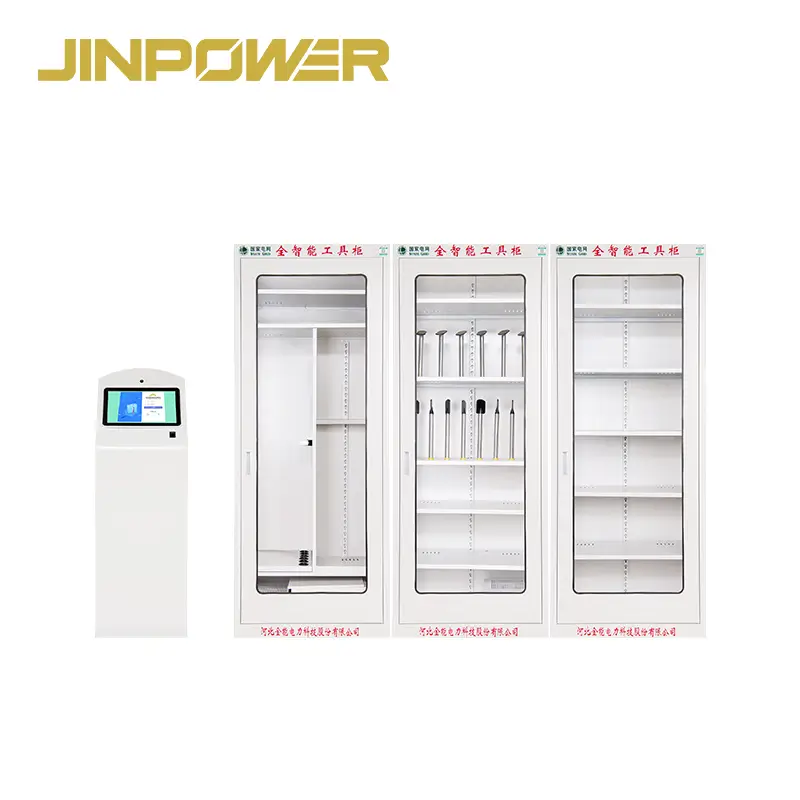
Helps teams store, protect, organize, and manage safety tools through cabinets, climate control storage, and smart equipment systems.
