Electrical PPE Inspection Checklist: What to Check Before Use
Electrical personal protective equipment (PPE) must be in suitable condition to provide the protection required for the job. Damaged rubber insulating gloves, cracked safety helmets, worn footwear, or defective fall protection equipment can expose workers to serious hazards.
A reliable electrical PPE inspection checklist helps maintenance teams, utilities, contractors, and safety managers identify defects before equipment is used, track required electrical tests, and remove unsuitable equipment from service.
The key is to distinguish three activities:
- Pre-use inspection: Check the equipment for visible damage, contamination, and correct identification before use.
- Periodic inspection: Examine equipment according to the manufacturer’s instructions, applicable regulations, and the workplace inspection program.
- Electrical testing: Verify the insulating performance of equipment when required by the applicable standard or regulation.
A visual inspection does not replace a required electrical test. Use the checklist below as a starting point and adapt it to your equipment, working conditions, and local requirements.
What Should You Check During an Electrical PPE Inspection?
Start with the following checklist before moving to the requirements for each equipment type.
| Inspection Item | What to Check | Action if a Defect Is Found |
|---|---|---|
| Physical condition | Cracks, cuts, holes, tears, deformation, burns, or excessive wear | Remove from service if protection may be affected |
| Cleanliness | Oil, grease, chemicals, conductive dust, moisture, or other contamination | Clean only as permitted by the manufacturer; reassess before use |
| Labels and markings | Product identification, rating, size, manufacturer, and required test information | Hold the item if critical identification or rating cannot be verified |
| Fit and function | Correct size, secure fastening, adjustment, and normal operation | Do not use until the issue is resolved |
| Components and accessories | Straps, buckles, stitching, connectors, visors, and compatible protectors | Replace or evaluate defective components according to the applicable procedure |
| Test status | Required electrical test dates and records, where applicable | Do not use equipment that is overdue for a mandatory test |
| Storage condition | Signs of heat damage, moisture, ozone exposure, compression, or chemical deterioration | Isolate and assess before returning to service |
The person performing the inspection should understand the equipment’s intended use and the defects that can compromise its protective function.
1. Head Protection: Electrical Safety Helmets and Face Shields
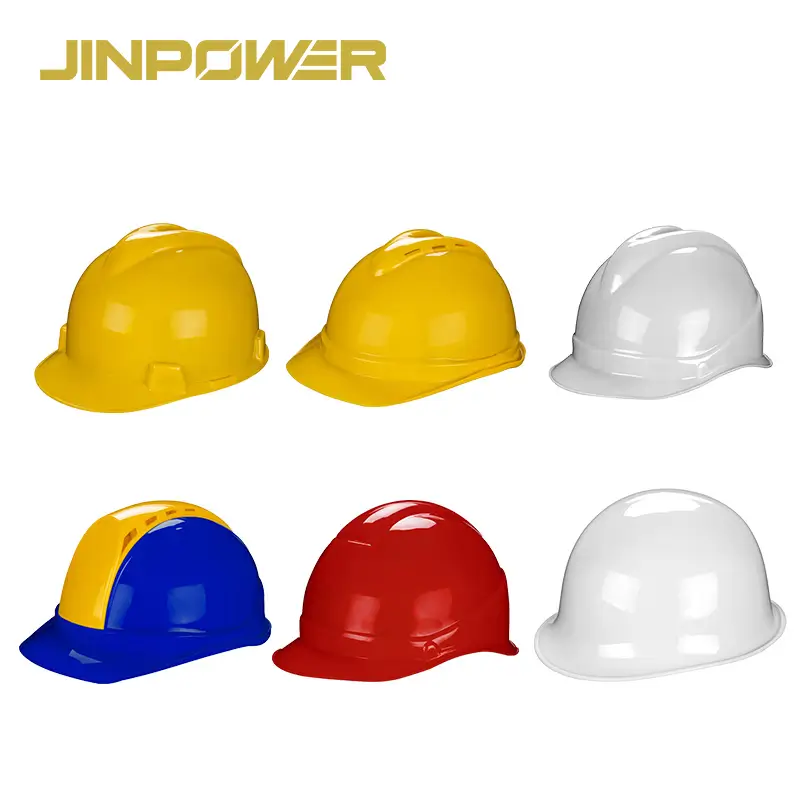
Head protection may be required where workers face falling-object hazards, impact hazards, or potential contact with exposed electrical conductors. The helmet must have the protection classification appropriate to the identified hazards.
Electrical Safety Helmet Inspection
Inspect the following areas:
- Shell condition: Look for cracks, deep scratches, dents, brittleness, deformation, or signs of heat and chemical damage.
- Suspension system: Check straps, attachment points, adjustment mechanisms, and the condition of the internal harness.
- Fit and stability: Confirm that the helmet fits correctly and remains secure during movement.
- Electrical protection marking: Verify the applicable helmet classification and manufacturer identification.
- Accessories: Check chin straps, visors, earmuffs, and other attachments for compatibility and secure installation.
Remove a helmet from service if it has suffered an impact, shows damage that may affect protection, or fails the manufacturer’s inspection criteria. Follow the manufacturer’s instructions for service life and replacement.
Do not apply a universal five-year replacement rule to every helmet. The appropriate service life depends on the product, manufacturer guidance, condition, and applicable requirements.
Face Shield Inspection
Where face shields are used for electrical work, check:
- Lens cracks, scratches, discoloration, and visibility.
- Damage to the visor frame, mounting points, and adjustment mechanisms.
- Compatibility with the helmet and other protective equipment.
- Required arc-rating or other protection markings, where applicable.
- Cleanliness and compliance with the manufacturer’s cleaning instructions.
A clear visor alone does not establish that the face shield provides the required electrical or arc-flash protection. Confirm the product’s rating and intended application.
2. Rubber Insulating Gloves and Leather Protectors
Rubber insulating gloves require particular attention because small defects can compromise electrical protection. Visual inspection and required electrical testing serve different purposes.
For product options, see JINPOWER Electrical Insulating Gloves.
Rubber Insulating Glove Checklist
Before use, check:
- Cuts and punctures: Look for holes, tears, sharp-object damage, or abrasion.
- Cracking and surface deterioration: Inspect for ozone checking, brittleness, swelling, stickiness, or other material changes.
- Air leakage: Perform the prescribed air test according to the applicable procedure.
- Contamination: Check for oil, grease, chemicals, and other substances that may damage the rubber.
- Identification: Confirm the glove class or rating, size, manufacturer markings, and required test status.
- Storage condition: Check for damage caused by heat, sunlight, ozone, sharp objects, or improper storage.
Under applicable U.S. OSHA requirements, rubber insulating gloves must be inspected for damage before each day’s use and immediately after an incident that could reasonably have damaged them. The gloves must also receive an air test along with the inspection.
If a glove has a hole, tear, puncture, or other defect that compromises its insulating properties, do not use it. Equipment with suspected insulation damage must be removed from service and evaluated under the applicable procedure.
Leather Protector Gloves
Leather protectors provide mechanical protection over rubber insulating gloves where required. They do not replace the electrical insulation provided by the rubber gloves.
Check for:
- Cuts, tears, worn leather, and open seams.
- Damaged stitching or fasteners.
- Contamination and excessive moisture.
- Correct fit over the insulating gloves.
- Compatibility with the selected glove design.
Use protector gloves according to the applicable safety requirements and manufacturer instructions. Inspect the insulating gloves separately even when the outer protectors appear undamaged.
3. Electrical Safety Footwear
Electrical safety footwear must be selected for the actual hazards of the work. Buyers should distinguish footwear designed for electrical-hazard protection from footwear specifically rated for dielectric insulation.
See JINPOWER Electrical Insulating Shoes for product information.
Footwear Inspection Checklist
- Outsole: Check for deep wear, cracks, embedded metal, punctures, and damaged tread.
- Upper material: Look for cuts, tears, separation, or chemical deterioration.
- Sole and upper bonding: Check for separation, loose sections, or structural damage.
- Moisture and contamination: Identify water ingress, oil, conductive substances, and other contamination that could affect suitability.
- Fit and stability: Confirm the footwear fits correctly and provides the required support.
- Markings: Verify the applicable electrical protection rating and other required product information.
Do not assume that all safety shoes provide electrical insulation. Electrical-hazard footwear and dielectric footwear may have different performance characteristics and intended applications.
Damaged footwear should be removed from service when its protective performance may be affected. Cleaning, drying, inspection, and replacement must follow the manufacturer’s instructions.
Footwear is only one part of an electrical safety program. It must not be treated as a substitute for required isolation, grounding, insulating equipment, or safe work procedures.
4. Safety Belts, Harnesses, Lanyards, and Self-Retracting Lifelines
Fall protection equipment is particularly important when electrical work takes place on poles, elevated platforms, towers, or other locations where a fall hazard exists.
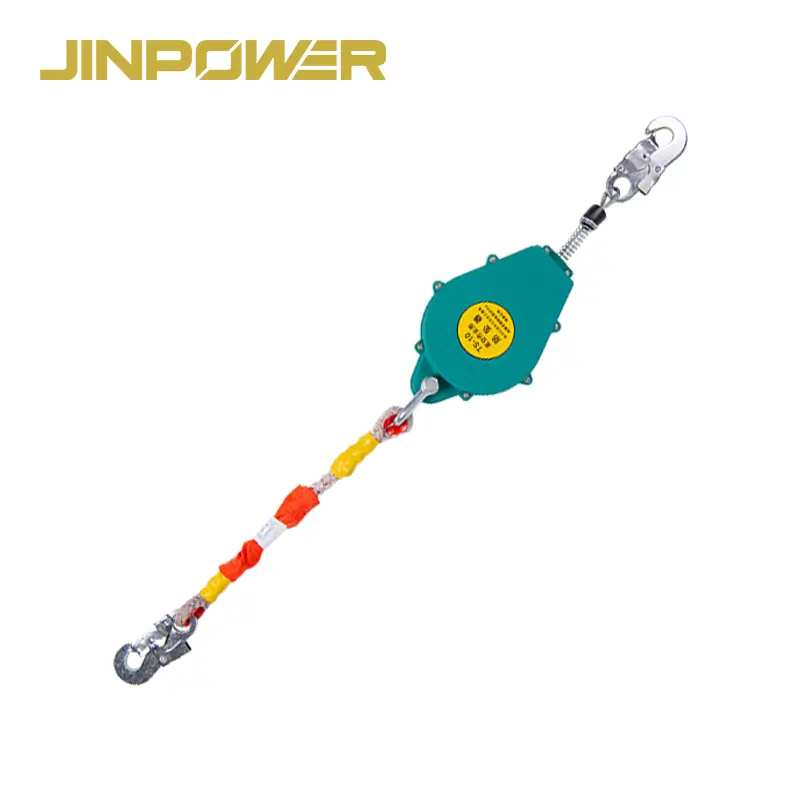
JINPOWER supplies Safety Belts and Rope and Self-Retracting Fall Arrest Devices.
Fall Protection Inspection Checklist
Webbing and rope
- Look for cuts, fraying, broken fibers, abrasion, burns, and chemical damage.
- Check stitching for loose, broken, or damaged threads.
- Inspect rope terminations, splices, and connections.
Metal components
- Check buckles, hooks, D-rings, and connectors for cracks, deformation, corrosion, or damaged locking mechanisms.
- Confirm that gates and locking systems function correctly.
- Check for unauthorized modifications or incompatible components.
Self-retracting lifelines
- Inspect the housing, lifeline, connectors, and visible components.
- Confirm that the device operates according to the manufacturer’s inspection procedure.
- Check labels, identification, and required service information.
Inspect equipment before use and arrange additional inspections according to the manufacturer’s instructions, applicable regulations, and the site’s fall protection program.
Equipment that has arrested a fall, has visible damage, or fails inspection must be removed from service and handled according to the manufacturer’s instructions and applicable requirements. Do not return it to use simply because the damage is not obvious.
5. Arc-Rated Clothing and Flame-Resistant Apparel
Electrical workers may require arc-rated clothing or flame-resistant garments depending on the hazard assessment and work procedure.
Inspect the following:
- Fabric: Check for holes, tears, worn areas, burns, and damage caused by abrasion.
- Seams and closures: Look for broken stitching, damaged zippers, missing buttons, and loose fasteners.
- Contamination: Identify oil, grease, flammable residues, or chemicals that may affect protective performance.
- Labels: Verify the applicable arc rating, garment identification, and care instructions.
- Fit and coverage: Confirm that the garment fits correctly and provides the required coverage.
Follow the manufacturer’s laundering and maintenance instructions. Do not use cleaning agents or treatments that may damage the garment’s protective properties.
Remove garments from service when damage, contamination, or deterioration may compromise their intended protection. Repair is appropriate only when permitted by the manufacturer and applicable requirements.
Do not assume that every arc-rated garment requires an annual inspection under a universal rule. Establish the inspection schedule according to the relevant standard, manufacturer guidance, and workplace program.
6. Hearing Protection, Respiratory Protection, and Other PPE
Electrical maintenance can involve additional hazards, including noise, dust, fumes, chemicals, and flying particles. Select and inspect supplementary PPE according to the actual exposure.
Hearing Protection
For earplugs and earmuffs, check:
- Cracks, deformation, and hardened or damaged cushions.
- Cleanliness and suitability for reuse.
- Condition of headbands and adjustment mechanisms.
- Correct fit and required noise-reduction performance.
Replace disposable products as instructed and remove damaged reusable equipment from service.
Respiratory Protection
For respirators used in applicable work environments, inspect:
- Facepiece condition and sealing surfaces.
- Head straps, valves, and connectors.
- Lens or visor condition, where fitted.
- Filter or cartridge type, condition, and expiry information.
- Compatibility with the identified airborne hazard.
Respirators must be managed under the applicable respiratory protection program. Where required, perform a user seal check each time the respirator is donned and follow the prescribed fit-testing and maintenance procedures.
Other Protective Equipment
For additional equipment, including insulating blankets and insulated operating tools, check for visible damage, contamination, missing components, and required identification.
See Electrical Insulating Blankets and Insulated Hot Sticks for related electrical protective equipment.
These products may be subject to equipment-specific inspection and testing requirements. Do not apply the electrical testing interval for insulating gloves to hot sticks, blankets, or other equipment without confirming the relevant requirements.
7. Inspection Frequency vs. Electrical Testing
One of the most common mistakes in PPE management is applying the same inspection and testing schedule to every product.
A practical program should distinguish routine visual inspection, scheduled inspection, and formal electrical testing.
| Equipment | Inspection or Testing Guidance |
|---|---|
| General PPE | Inspect before use as part of the workplace safety program; follow product-specific requirements and manufacturer instructions |
| Rubber insulating gloves | Under U.S. OSHA 29 CFR 1910.137, electrically test before first issue and every 6 months thereafter; additional testing is required when insulation value is suspect, after repair, and after use without protectors |
| Rubber insulating blankets | Under the same OSHA rule, electrically test before first issue and every 12 months thereafter, as well as when insulation value is suspect and after repair |
| Rubber insulating sleeves | Under the same OSHA rule, electrically test before first issue and every 12 months thereafter, as well as when insulation value is suspect and after repair |
| Rubber insulating line hose and covers | Under the same OSHA rule, testing is required when insulation value is suspect and after repair |
| Helmets and face shields | Follow the applicable product requirements, manufacturer instructions, and workplace inspection program |
| Safety footwear | Follow product-specific inspection and maintenance instructions; do not assume routine dielectric testing applies to every type |
| Harnesses, lanyards, and SRLs | Inspect before use and follow the manufacturer’s instructions and applicable requirements for additional competent-person inspections |
| Arc-rated clothing | Inspect for damage and contamination; follow garment-specific care, maintenance, and replacement requirements |
| Insulated operating tools | Follow the applicable tool standard, manufacturer instructions, and workplace testing program |
The electrical testing intervals above refer specifically to the cited U.S. OSHA requirements for the identified rubber insulating equipment. They are not universal rules for every country, product, or working environment.
Before implementing a testing schedule, confirm the applicable jurisdiction, product type, standard edition, manufacturer instructions, and site requirements.
8. When Should PPE Be Removed from Service?
If a defect could compromise the equipment’s protective function, do not continue using it while waiting for the next scheduled inspection.
Common reasons for removal from service include:
- Holes, cuts, punctures, or cracks in insulating rubber.
- Failed or overdue mandatory electrical tests.
- Damaged helmet shells, suspension systems, or face shields.
- Worn or damaged footwear that no longer provides the required protection.
- Cut webbing, damaged stitching, defective connectors, or malfunctioning fall arrest devices.
- Arc-rated garments with damage or contamination that compromises protection.
- Missing or unreadable identification when the required rating cannot be verified.
- Evidence of unauthorized repairs or modifications.
The recommended process is straightforward:
- Stop using the affected equipment.
- Identify and segregate it to prevent accidental reuse.
- Record the defect and equipment identification.
- Refer the item for evaluation, permitted repair, required testing, or replacement.
- Return it to service only after the applicable acceptance requirements have been met.
Workers should know how to identify defects and report them. Supervisors and designated safety personnel should ensure that corrective actions are completed.
9. Electrical PPE Inspection Record Template
Inspection records help organizations track equipment condition, testing status, and corrective actions. They are also useful during internal audits, supplier reviews, and safety investigations.
The following template can be adapted to your workplace.
| Record Field | Information to Enter |
|---|---|
| Equipment type | Gloves, helmet, footwear, harness, or other PPE |
| Manufacturer and model | Product identification |
| Serial number or asset ID | Unique identification, where applicable |
| Inspection date | Date of inspection |
| Inspector | Name or identification of the person responsible |
| Inspection type | Pre-use, scheduled inspection, or post-incident inspection |
| Visual inspection result | Pass, fail, or further evaluation required |
| Electrical test status | Test date, result, and report reference, where applicable |
| Defects found | Description of damage, contamination, or other issues |
| Corrective action | Cleaning, segregation, evaluation, permitted repair, or replacement |
| Return-to-service approval | Required confirmation according to the site’s procedure |
| Next inspection or test date | Where required by the applicable schedule |
Keep records for the period required by applicable regulations, the manufacturer’s instructions, contractual requirements, or the organization’s safety management program. There is no single retention period that should automatically be applied to every PPE record worldwide.
For equipment subject to periodic electrical testing, ensure that the record can be linked to the specific item or batch as required.
Frequently Asked Questions
How often should electrical PPE be inspected?
Inspect equipment before use as required by the applicable procedure, and carry out additional inspections after damage, incidents, or suspected exposure. Periodic inspection schedules depend on the product, manufacturer instructions, applicable regulations, and workplace risk controls.
Electrical testing has separate requirements for equipment such as rubber insulating gloves.
How do you inspect rubber insulating gloves before use?
Check for cuts, holes, cracks, contamination, surface deterioration, and damaged markings. Perform the prescribed air test along with the inspection where required. If damage is suspected, remove the gloves from service and follow the applicable testing or replacement procedure.
Does visual inspection replace electrical testing?
No. Visual inspection can identify visible defects but cannot establish that insulating equipment has passed a required electrical test. Where periodic electrical testing is mandatory, maintain the required test records and observe the applicable intervals.
When should damaged electrical PPE be replaced?
Remove damaged PPE from service immediately when its protective performance may be compromised. Whether it can be repaired or must be replaced depends on the product, defect, manufacturer instructions, applicable requirements, and required post-repair testing.
What information should an electrical PPE inspection record include?
At minimum, record the equipment identification, inspection date, inspector, result, defects, and corrective action. Add electrical test dates and report references where applicable. Retention periods should follow the governing requirements rather than a universal five-year rule.
Selecting Electrical PPE for Your Team
An effective PPE inspection program starts with the correct equipment selection. Buyers should verify the product’s intended application, required protection rating, applicable standard, markings, maintenance instructions, and available technical documentation before procurement.
JINPOWER supplies electrical safety products for utilities, industrial maintenance teams, contractors, distributors, and project buyers.
Explore our product range:
- Electrical Insulating Gloves
- Electrical Insulating Shoes
- Electrical Safety Helmets
- Safety Belts and Rope
- Self-Retracting Fall Arrest Devices
- Certifications, Product Standards & Testing
For project procurement, provide the required product, rating, quantity, destination market, applicable standard, and documentation requirements.
Contact JINPOWER to discuss your electrical safety equipment requirements.
Electrical PPE inspection is one part of a complete safety program. Equipment must be selected, inspected, tested, maintained, and used according to the applicable requirements and the manufacturer’s instructions. It does not replace electrical isolation, verification, grounding, training, or other mandatory safety controls.